-
Events
-
Festival of Speed
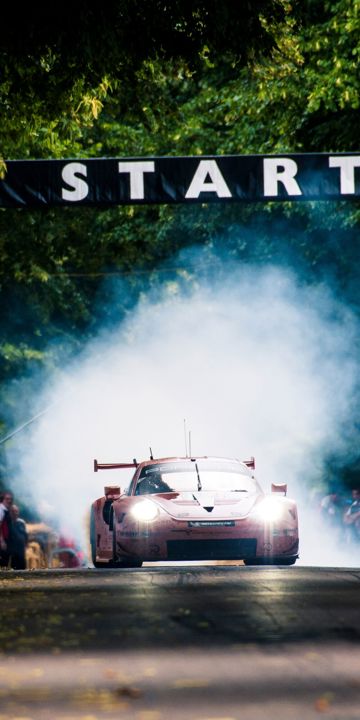

Why don't the F1 cars race the hill?
For safety reasons F1 cars can no longer do official timed runs so instead perform stunning demonstrations!
-
Goodwood Revival
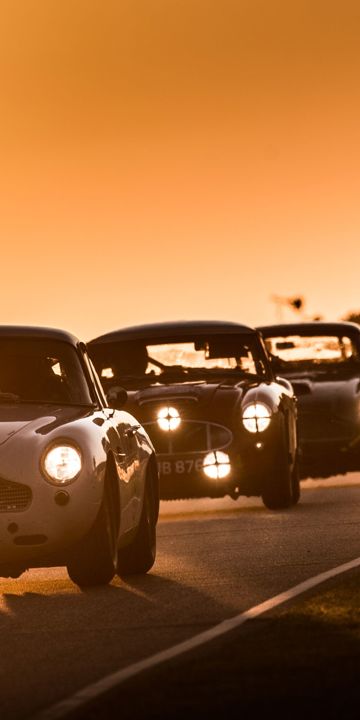

Spectators Favourite
Spectate from the chicane at the Revival to see plenty of classic cars going sideways as they exit this infamous point of our Motor Circuit.
-
Members' Meeting
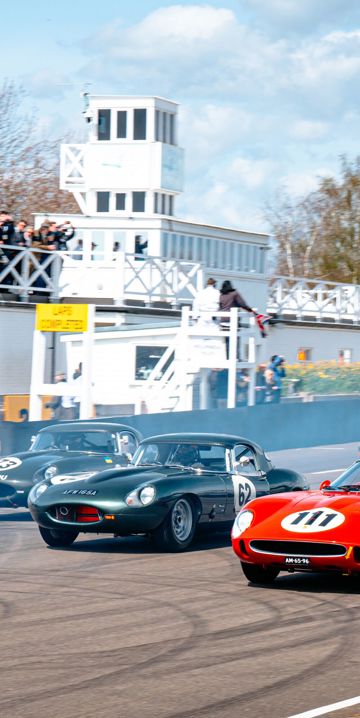

The Goodwood Houses
Aubigny, Methuen, Torbolton and Darnley are the four teams that compete for the House Shield.
-
Qatar Goodwood Festival
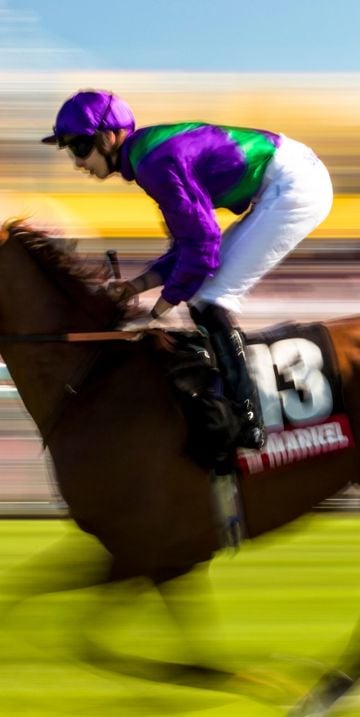

Why walk when you can drive
The first ever horsebox was used from Goodwood to Doncaster for the 1836 St. Leger. Elis arrived fresh and easily won his owner a £12k bet.
-
Goodwoof
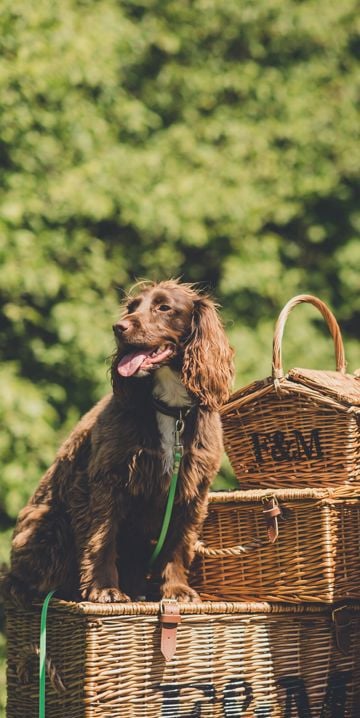

Start in style
The breed parade sees hundreds of dogs and their owners walk from Goodwood House down to The Kennels to kick start the Goodwoof weekend. -
Horseracing
-
Season Opener
-
May Festival
-
Family Race Day
-
Three Friday Nights
-
August Bank Holiday
-
Autumn Racing
-
Season Finale
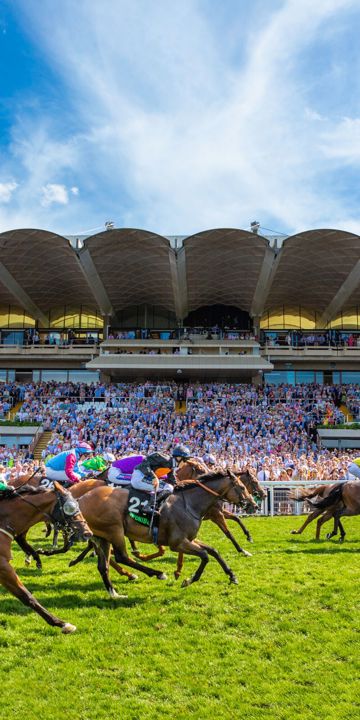

"Glorious Goodwood"
After the first public race meeting in 1902, 'Glorious Goodwood' became a highlight of the summer season.
-
Season Opener
-
Breakfast Club
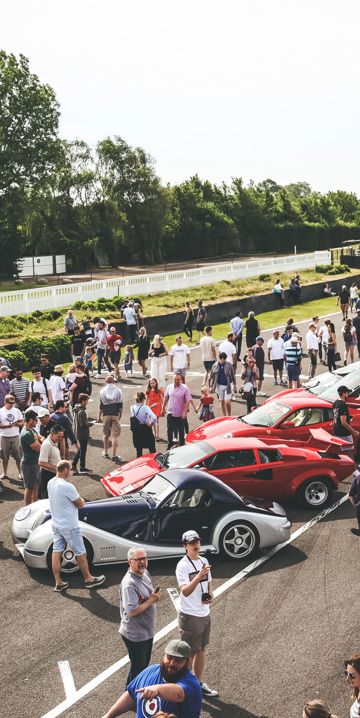

A perfect Sunday morning?
A no-cost, all-welcome motoring show where the visitors and their machines are the stars -
Health Summit
-
Hospitality
-
Exhibiting
-
Partnerships

Where else can you...
...plan strategy in an ancient woodland, enjoy award-winning dining then drive around a racetrack?
-
What's on
-
Festival of Speed
-
Visit, Eat, Stay
-
The Goodwood Hotel

Flying Elephant
The first thing ever dropped at Goodwood was a cuddly elephant which landed in 1932 just as the 9th Duke of Richmonds passion for flying was taking off.
-
Goodwood Cottages


Filming at Goodwood
We have been host to many incredible film crews using Goodwood as a backdrop for shows like Downton Abbey, Hollywood Blockbusters like Venom: let there be Carnage and the Man from U.N.C.L.E.
-
Goodwood House
-
Afternoon Tea & Tour
-
The Collection
-
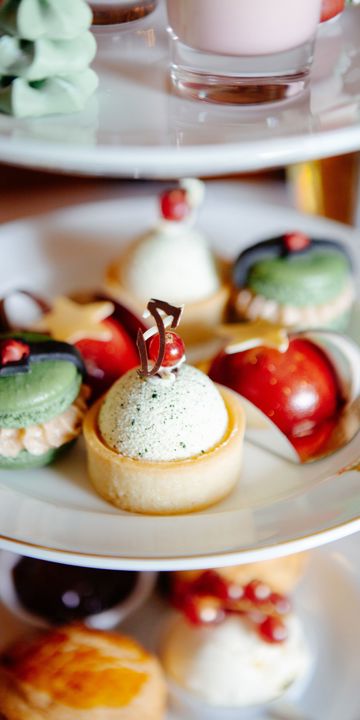
Christmas Afternoon Tea & Tour
-
Exhibitions
-
History
-
Weddings
-
Copper Dome Restoration
-
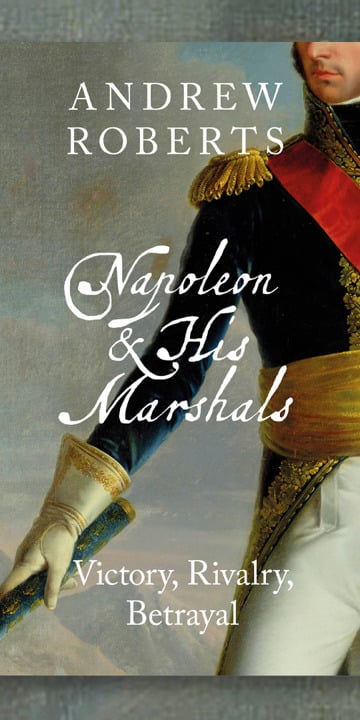
Napoleon & His Marshals Book Talk with Andrew Roberts
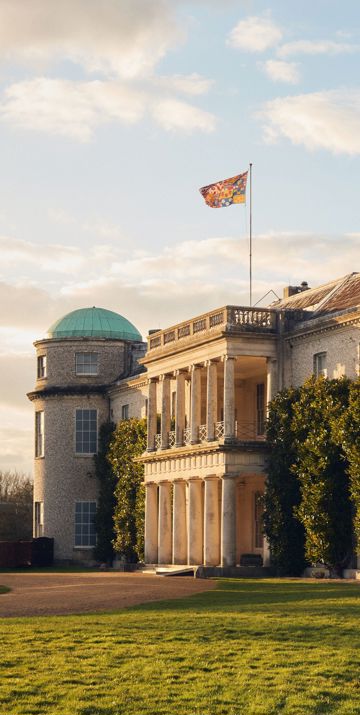

Trained to the highest level
Head Butler David Edney has worked at Buckingham Palace taking part in Dinner Parties for the then Duke of Richmond and the Queen.
-
Afternoon Tea & Tour
-
Restaurants
-
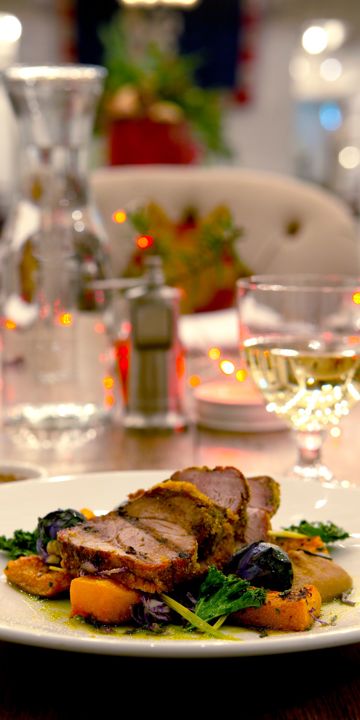
Farmer, Butcher, Chef
-
The Goodwood Bar & Grill
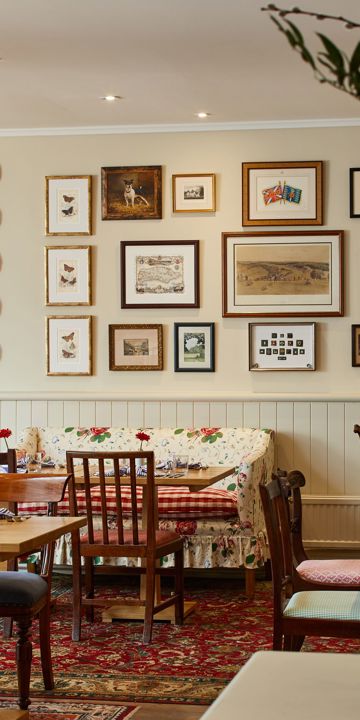
-
The Kennels
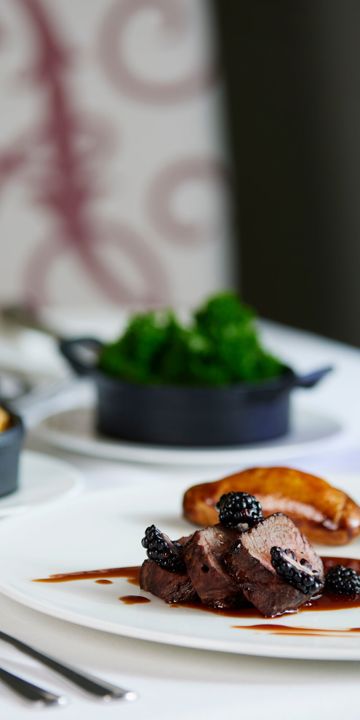
-
Aerodrome Café
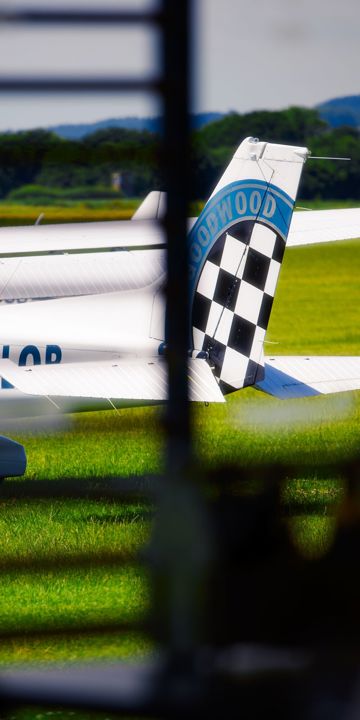
-
Motor Circuit Café

-
Cafe 24
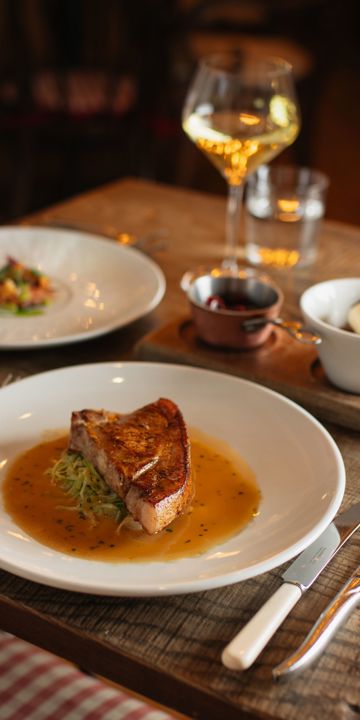

Sustainable state-of-mind
When Farmer, Butcher, Chef opened in 2016 it was awarded the UK’s first-ever Royal Academy of Culinary Arts ‘Sustainable Food Philosophy Seal’. -
Farmer, Butcher, Chef
-
The Kennels
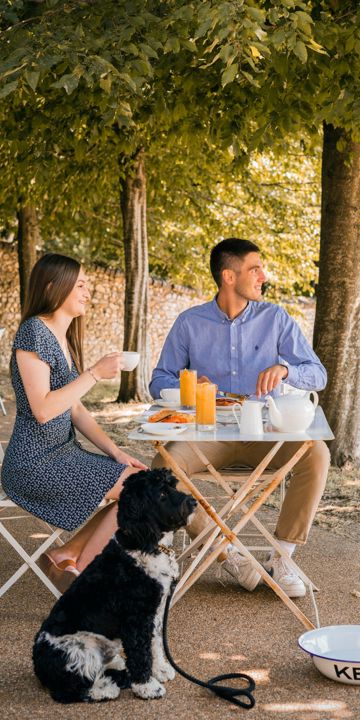

How old is The Kennels?
Built in 1787 by celebrated architect James Wyatt to house the third Duke of Richmond’s prized fox hounds, The Kennels was known as one of the most luxurious dog houses in the world!
-
Motor Circuit
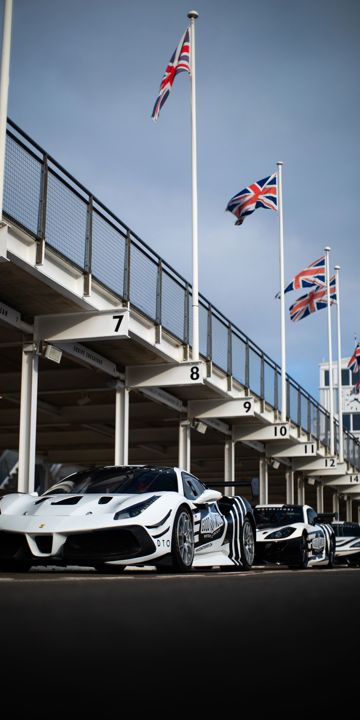

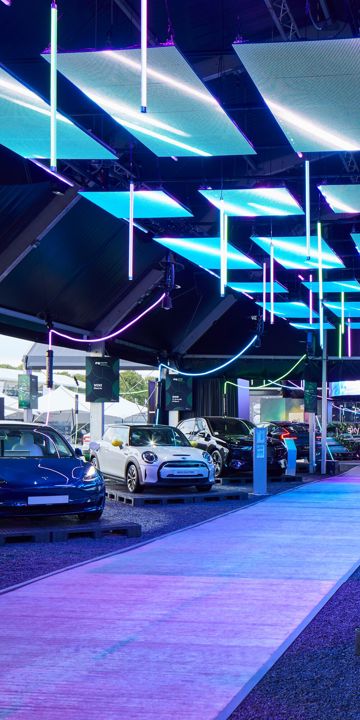
Earls Court replica
Our replica of the famous motor show showcases the "cars of the future" in true Revival style
-
Health & Wellbeing
-
Membership
-
Health Club
-
Gym
-
Run Series
-
Spa Treatments
-
Wellness Retreats
-
Events Calendar
-
Corporate Wellbeing
-
Health Summit
-
Latest News
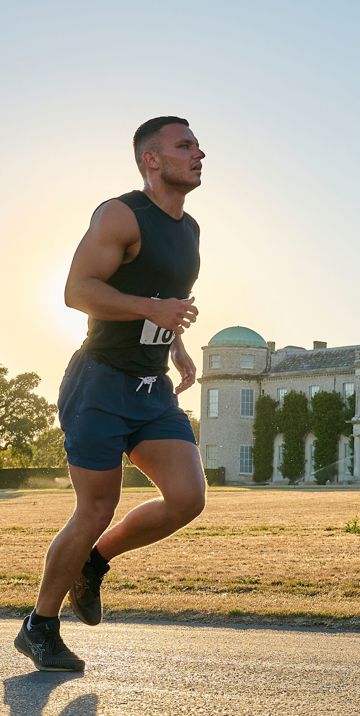

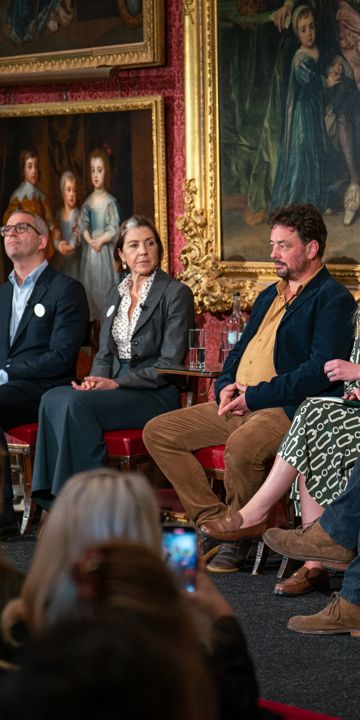
Goodwood's first Health Summit...
...took place in 2023 with industry experts discussing nutrition costs and food systems for a healthier future. -
Membership
-
Hound Lodge
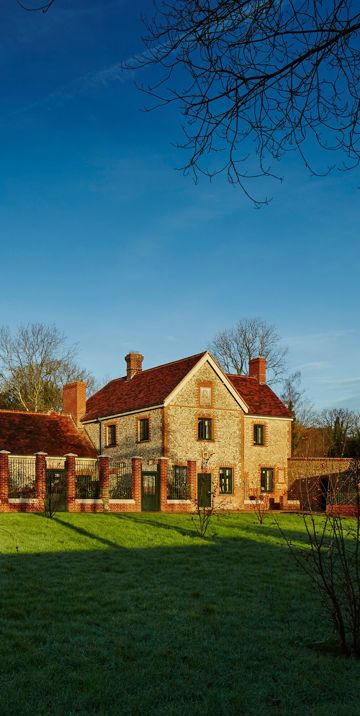

Only the finest
Mattresses and eiderdowns are stuffed with wool from the Goodwood Estate.
-
Goodwood Farm Shop


21,000 litres...
Alongside the award-winning meat, we also produce 21,000 litres of milk a week, used to make our cheeses. -
Parties
-
Goodwood Art Foundation
-
The Goodwood Hotel
-
Motorsport
-
Festival of Speed
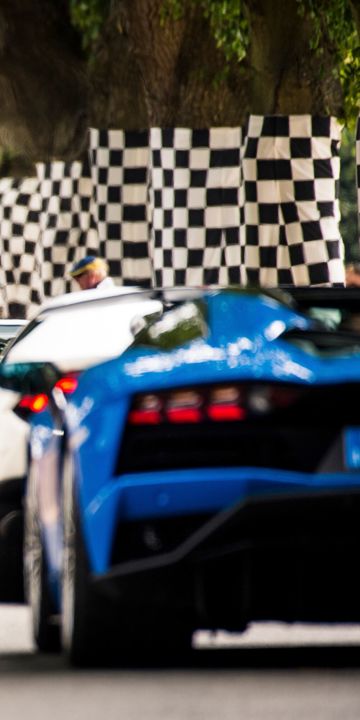

Taming the "Beast"
The Fiat S76 or "Beast of Turin" is a Goodwood favourite and can usually be heard before it is seen at #FOS
-
Goodwood Revival
-
Tickets & Packages
-
Hospitality
-
Explore
-
Plan Your Day
-
Buy Merchandise
-
Charity
-
Partners
-
Accessibility
-
FAQs
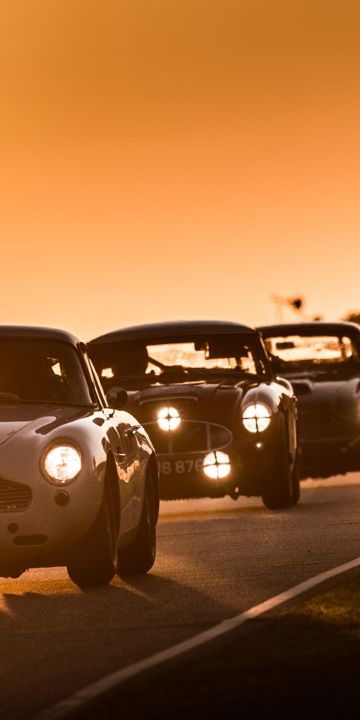
Spectators Favourite
Spectate from the chicane at the Revival to see plenty of classic cars going sideways as they exit this infamous point of our Motor Circuit.
-
Tickets & Packages
-
Members' Meeting
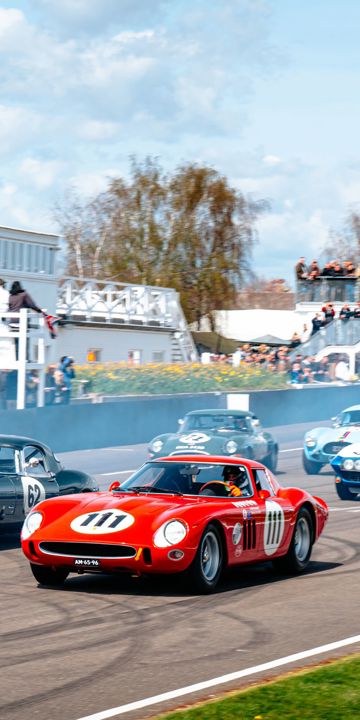

The first Members' Meeting
The inaugural BARC Members' Meeting took place at Goodwood on 13th Augurst 1949.
-
Breakfast Club
Why don't the F1 cars race the hill?
For safety reasons F1 cars can no longer do official timed runs so instead perform stunning demonstrations!
-
Motor Circuit

Lucky Leap
Inspired by the legendary racer, Masten Gregory, who famously leapt from the cockpit of his car before impact when approaching Woodcote Corner in 1959.
-
Driving Experiences
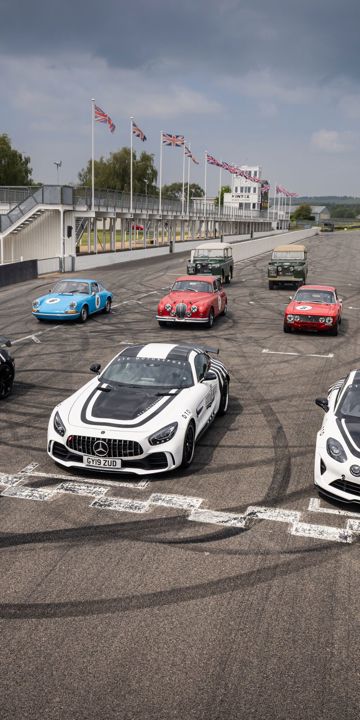

Mad Mike
FOS Favourite Mad Mike Whiddett can be caught melting tyres in his incredible collection of cars (and trucks) up the hillclimb
-
Goodwood Road Racing Club
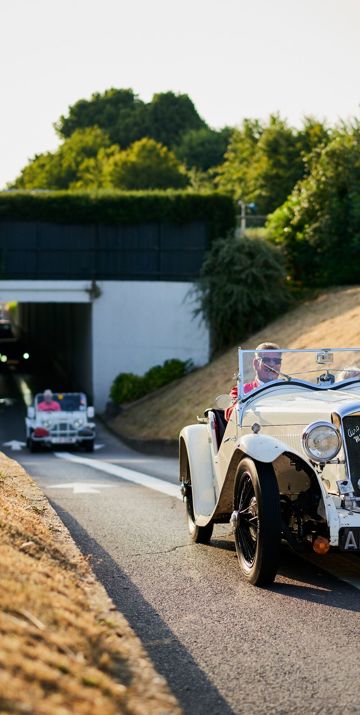
Mad Mike
FOS Favourite Mad Mike Whiddett can be caught melting tyres in his incredible collection of cars (and trucks) up the hillclimb
-
Latest News
-
Festival of Speed
-
Horseracing
-
Tickets & Packages
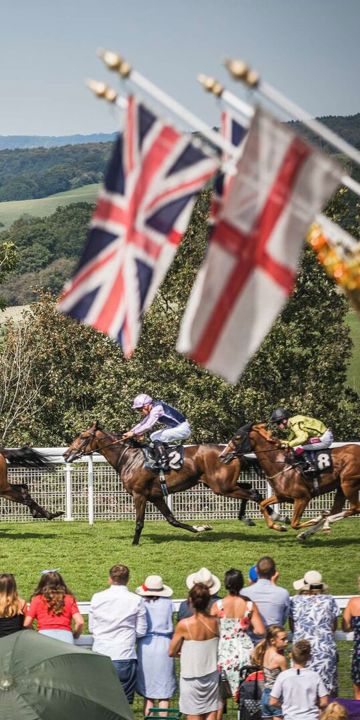

Royal approval
King Edward VII (who came almost every year) famously dubbed Glorious Goodwood “a garden party with racing tacked on”.
-
Hospitality
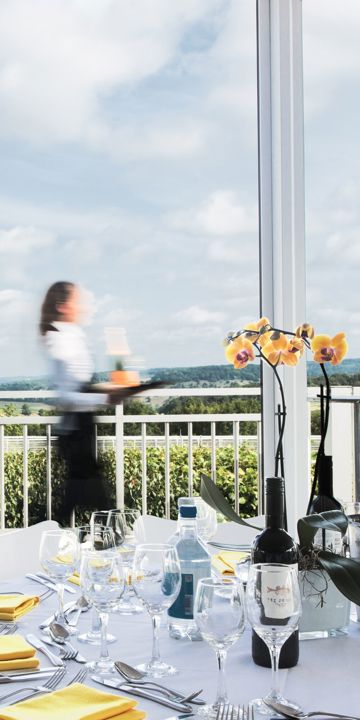
Why walk when you can drive
The first ever horsebox was used from Goodwood to Doncaster for the 1836 St. Leger. Elis arrived fresh and easily won his owner a £12k bet.
-
Horseracing Club Membership
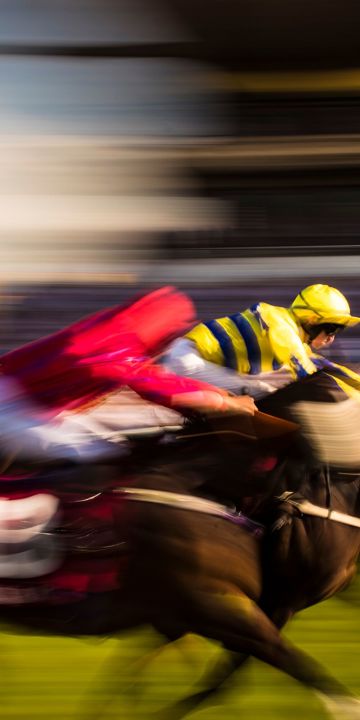
St Simon
Whoa Simon! A horse so determined and headstrong, he not only won the 1883 Goodwood Cup by 20 lengths, but couldn't be stopped and carried on running over the top of Trundle hill
-
Fixtures & Events
-
Season Opener
-
May Festival
-
Family Race Day
-
Three Friday Nights
-
Qatar Goodwood Festival
-
August Bank Holiday
-
Autumn Racing
-
Season Finale
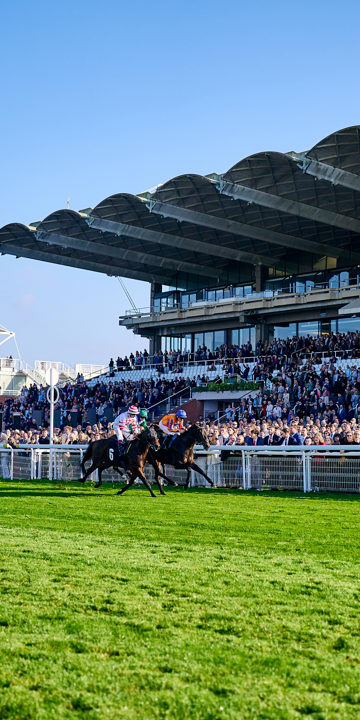
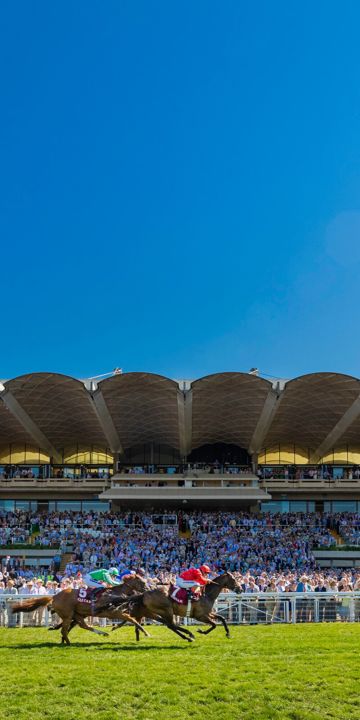
Royal approval
King Edward VII (who came almost every year) famously dubbed Glorious Goodwood “a garden party with racing tacked on”.
-
Season Opener
-
Qatar Goodwood Festival
-
Tickets & Packages
-
Hospitality
-
Day by Day Guide
-
Ladies Day
-
Magnolia Cup
-
The Earl's Lawn
-
Timetable
-
Partners
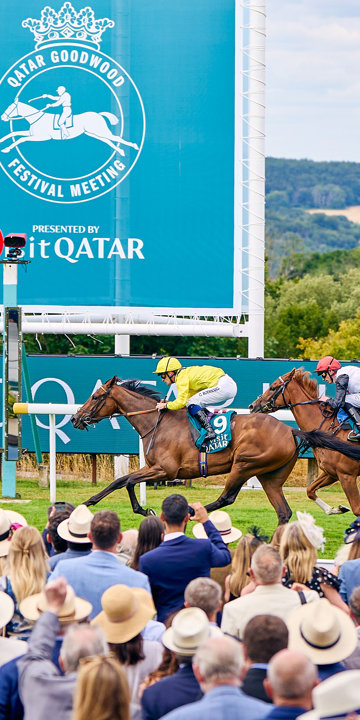

The Magnolia Cup
Leading women of business, sport, fashion and media, take part in one of the most exciting horseracing events in the world.
-
Tickets & Packages
-
Three Friday Nights
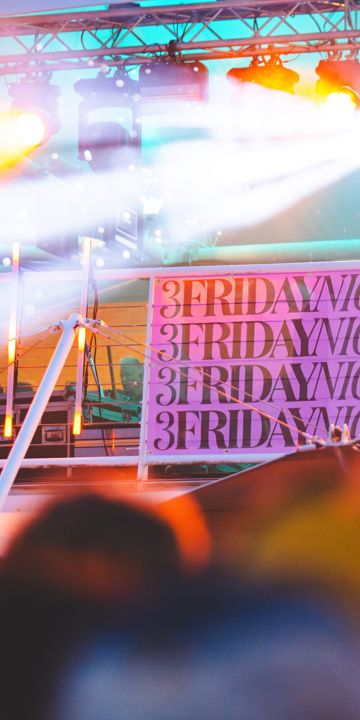

Why does everyone wear hats?
King Edward VII turned his back on the traditional morning suit and donned a linen suit and Panama hat. Thus the Glorious Goodwood trend was born.
-
Plan Your Day
-
Enclosures
-
Event Map
-
Going Report
-
Getting Here
-
Betting at Goodwood
-
Dress Code
-
Accessibility
-
Food & Drink
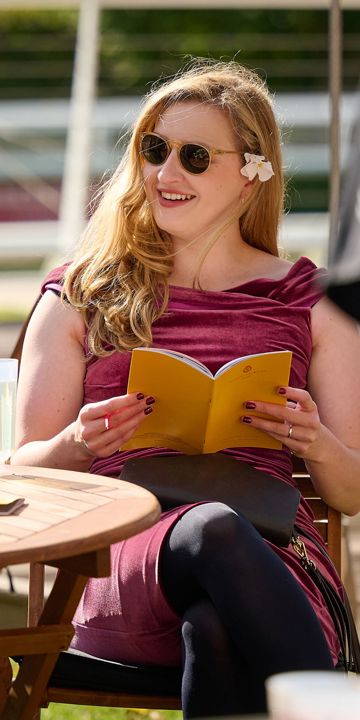
The Magnolia Cup
Leading women of business, sport, fashion and media, take part in one of the most exciting horseracing events in the world.
-
Enclosures
-
Buy Merchandise
-
Partners
-
Owners & Trainers
-
Latest News
-
FAQs
-
Accessibility
-
Tickets & Packages
-
Experiences
-
Driving
Earls Court replica
Our replica of the famous motor show showcases the "cars of the future" in true Revival style
-
Flying
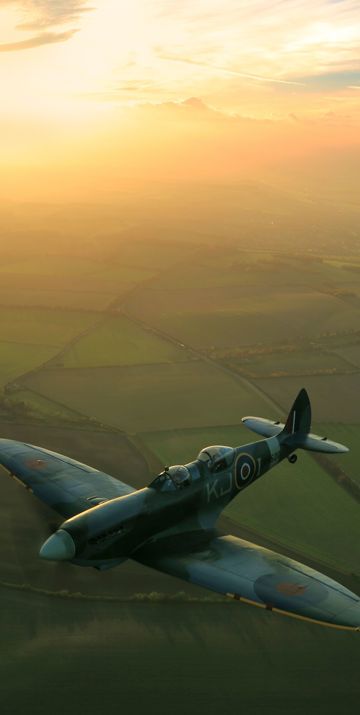
Flying Elephant
The first thing ever dropped at Goodwood was a cuddly elephant which landed in 1932 just as the 9th Duke of Richmonds passion for flying was taking off.
-
Golf

A sporting Estate
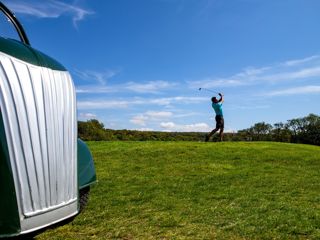
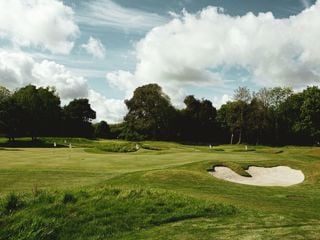
Goodwood has two 18-hole championship courses, a modern clubhouse and an impressive Academy. -
Shooting
Flying Elephant
The first thing ever dropped at Goodwood was a cuddly elephant which landed in 1932 just as the 9th Duke of Richmonds passion for flying was taking off.
-
Afternoon Tea
Minor furniture details
The exquisite mirror in the Ballroom of Goodwood House it so big they had to raise the ceiling to get it inside!
-
Corporate Wellbeing
Goodwood's first Health Summit...
...took place in 2023 with industry experts discussing nutrition costs and food systems for a healthier future. -
Cycling

During the war...
The Motor Circuit was known as RAF Westhampnett, active from 1940 to 1946 as a Battle of Britain station.
-
Corporate Experiences
Where else can you...
...plan strategy in an ancient woodland, enjoy award-winning dining then drive around a racetrack?
-
Spa Treatments
-
Driving
- Hospitality
-
Golf
-
Golf Courses
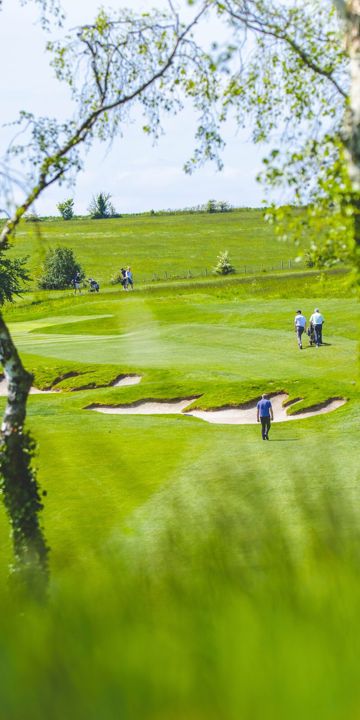

Over 100 years of Golf
The first ever round of golf played at Goodwood was in 1914 when the 6th Duke of Richmond opened the course on the Downs above Goodwood House.
-
Golf Membership
-
Credit Membership
-
Application Form
-
Braid Membership
-
Intermediate Membership
-
Junior Membership
-
Corporate Membership
-
Get Into Golf
-
Copse Membership

A sporting Estate
Goodwood has two 18-hole championship courses, a modern clubhouse and an impressive Academy. -
Credit Membership
-
The Academy
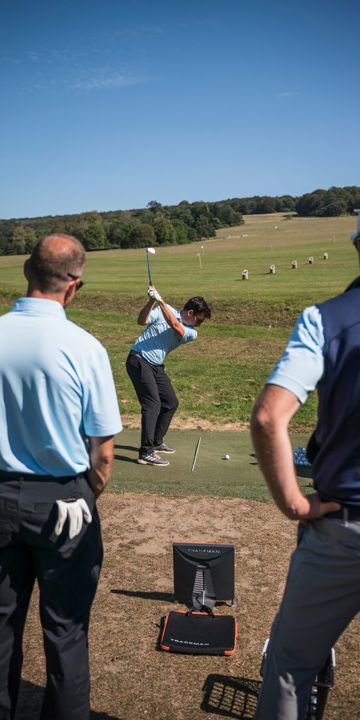
Over 100 years of Golf
The first ever round of golf played at Goodwood was in 1914 when the 6th Duke of Richmond opened the course on the Downs above Goodwood House.
-
Golf Experiences

Over 100 years of Golf
The first ever round of golf played at Goodwood was in 1914 when the 6th Duke of Richmond opened the course on the Downs above Goodwood House.
-
Golf Courses
-
Flying
-
Flying School
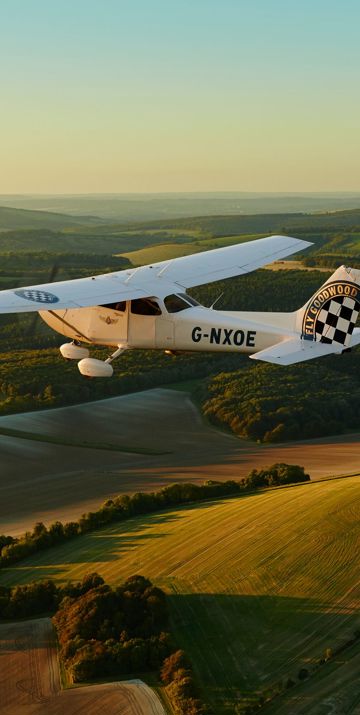
During the war...
The Motor Circuit was known as RAF Westhampnett, active from 1940 to 1946 as a Battle of Britain station.
-
Aero Club Membership
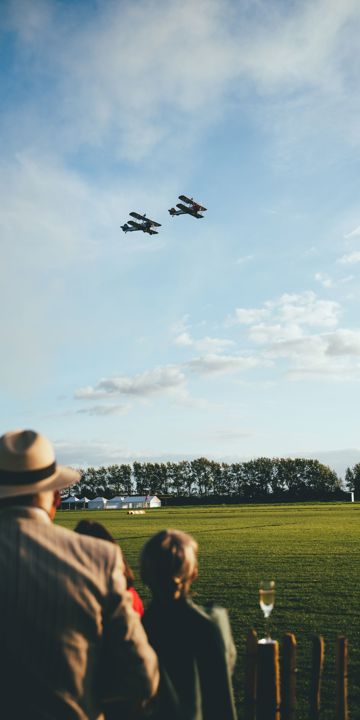

The Silver Spitfire
The iconic spitfire covered almost 43,000 kilometres and visited over 20 countries on its epic journey and currently resides at our Aerodrome.
-
Flying Experiences
-
Pilot Information
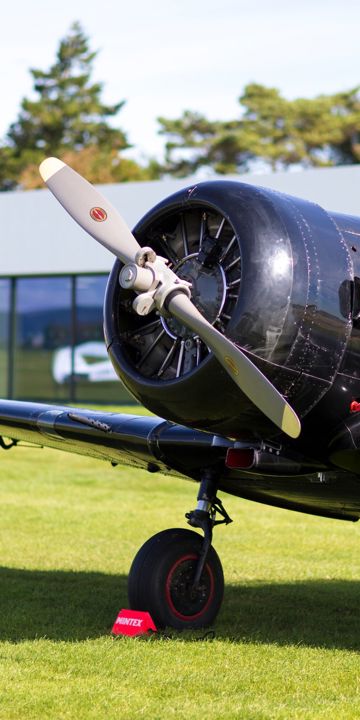

Group Captain Sir Douglas Bader
The famous fighter ace, who flew his last sortie from Goodwood Aerodrome, formerly RAF Westhampnett has a statue in his honor within the airfield.
-
Flying School
-
Meetings
-
Venue Hire
-
Goodwood House
-
The Racecourse
-
The Goodwood Hotel
-
The Motor Circuit
-
The Kennels
-
The Aerodrome
-
The Great Outdoors
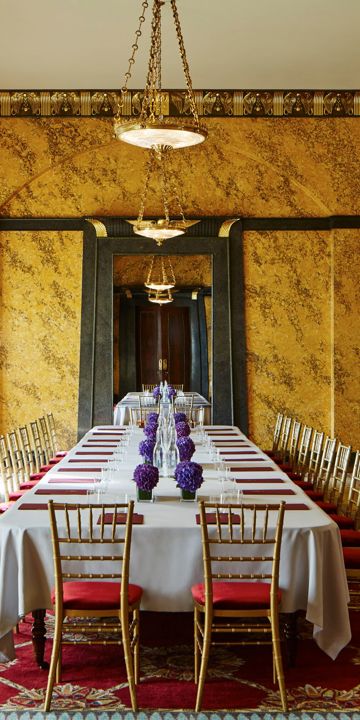
Where else can you...
...plan strategy in an ancient woodland, enjoy award-winning dining then drive around a racetrack?
-
Goodwood House
-
Plan Your Meeting
-
Parties
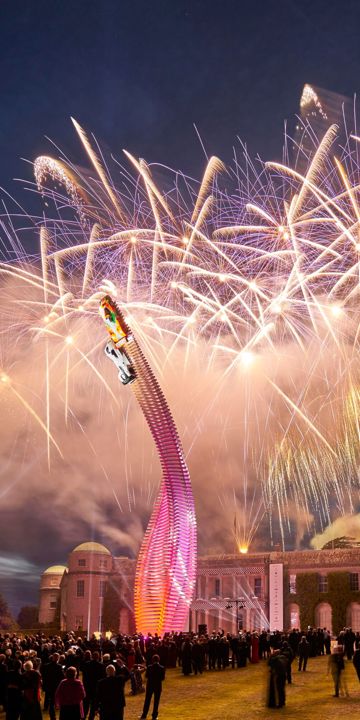
Where else can you...
...plan strategy in an ancient woodland, enjoy award-winning dining then drive around a racetrack?
-
Hospitality

-
Corporate Experiences
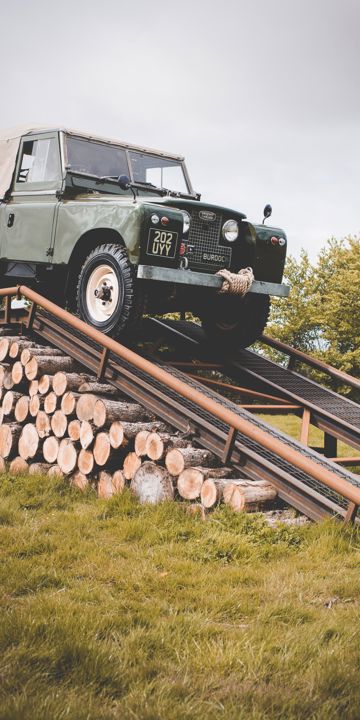
Where else can you...
...plan strategy in an ancient woodland, enjoy award-winning dining then drive around a racetrack?
-
Christmas Parties
-
Film Locations
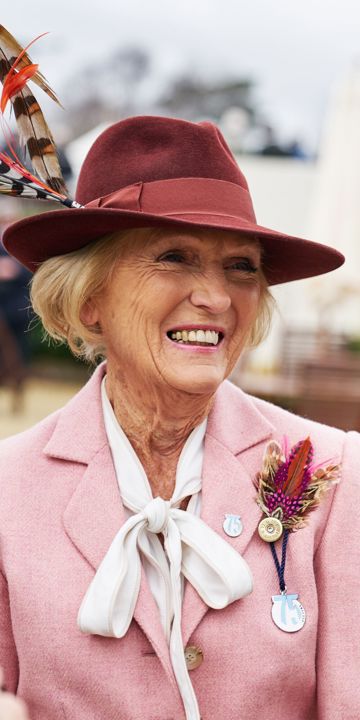
Where else can you...
...plan strategy in an ancient woodland, enjoy award-winning dining then drive around a racetrack?
-
Venue Hire
-
Weddings
-
Goodwood House
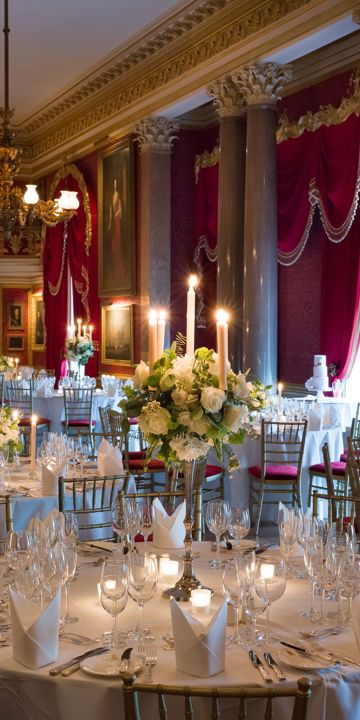
Shell house
A temple-folly guarded by two sphinxes, the beautiful shell house was built in 1748 with collected shells and the floor made from horse teeth.
-
The Kennels


Fashionable foxhounds
The 1st Duke of Richmond bought Goodwood in 1697 as a place to stay to go foxhunting with the fashionable Charlton Hunt. -
Parties
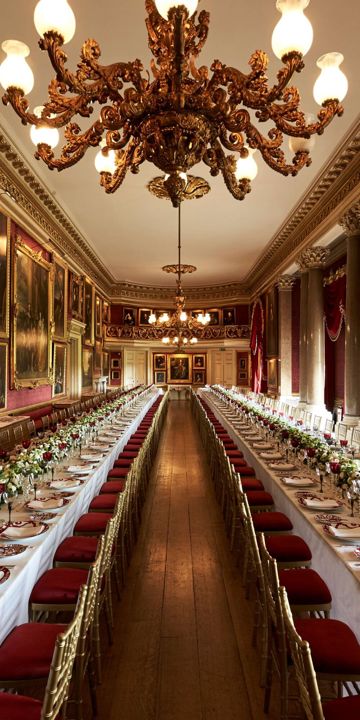


A destination for all seasons
We're well known for our iconic motorsport and horseracing events. But there's a lot more happening at Goodwood...
-
Goodwood House
-
Memberships
-
Goodwood Road Racing Club
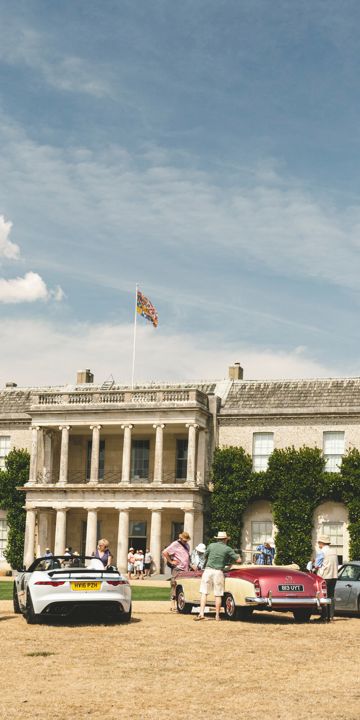

When was the GRRC founded?
Established in 1998 by the Duke of Richmond, the Goodwood Road Racing Club offers exclusive benefits across the estate year-round -
Goodwood Horseracing Club
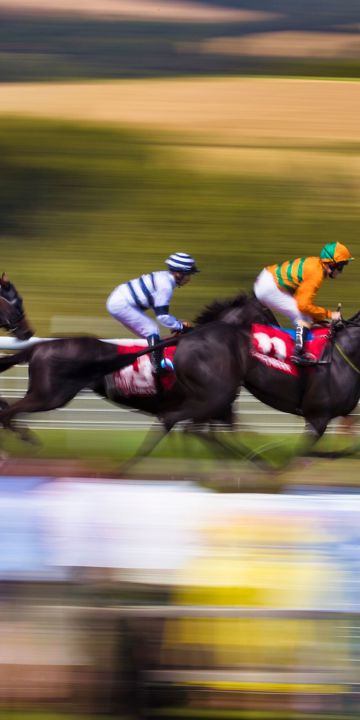
"Glorious Goodwood"
After the first public race meeting in 1902, 'Glorious Goodwood' became a highlight of the summer season.
-
Golf At Goodwood
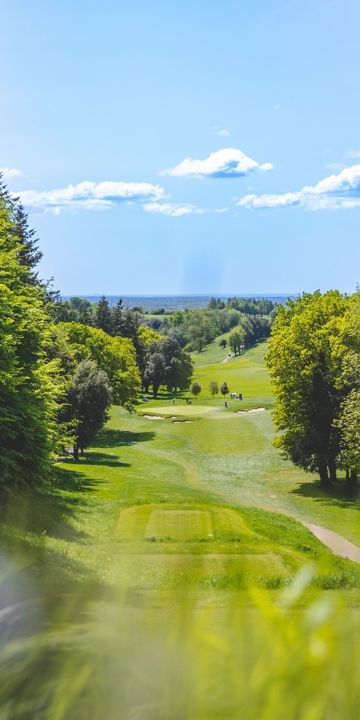

Braid’s Masterpiece
One of the greatest golfers of all time, James Braid designed Goodwood’s iconic Downland course, opened in 1914.
-
Goodwood Aero Club
The Silver Spitfire
The iconic spitfire covered almost 43,000 kilometres and visited over 20 countries on its epic journey and currently resides at our Aerodrome.
-
Goodwood Health Club
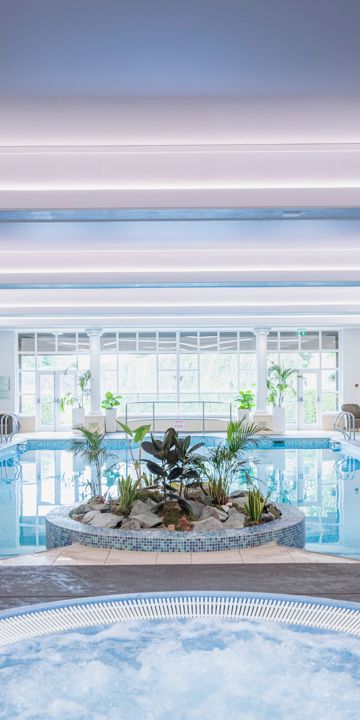
Goodwood's first Health Summit...
...took place in 2023 with industry experts discussing nutrition costs and food systems for a healthier future. -
The Kennels

Fashionable foxhounds
The 1st Duke of Richmond bought Goodwood in 1697 as a place to stay to go foxhunting with the fashionable Charlton Hunt. -
Sporting Membership

Group Captain Sir Douglas Bader
The famous fighter ace, who flew his last sortie from Goodwood Aerodrome, formerly RAF Westhampnett has a statue in his honor within the airfield.
-
Goodwood Racehorse Owners Group
-
Goodwood Art Foundation
-
Goodwood Road Racing Club
- Classic Car Insurance
- Health & Wellbeing
- Buy Merchandise
-
Our Estate
-
What's on
-
Estate Map

Levin Down Gin
Our gin uses wild-grown botanicals sourced from the estate, and is distilled with mineral water naturally chalk-filtered through the South Downs.
-
Stories from the Estate
Lucky Leap
Inspired by the legendary racer, Masten Gregory, who famously leapt from the cockpit of his car before impact when approaching Woodcote Corner in 1959.
-
Sports
-
Goodwood Education Trust
The Silver Spitfire
The iconic spitfire covered almost 43,000 kilometres and visited over 20 countries on its epic journey and currently resides at our Aerodrome.
-
Charities
21,000 litres...
Alongside the award-winning meat, we also produce 21,000 litres of milk a week, used to make our cheeses. -
Sustainability

Grogger
Easy boy! The charismatic Farnham Flyer loved to celebrate every win with a pint of beer. His Boxer dog, Grogger, did too and had a tendancy to steal sips straight from the glass.
-
Diversity, Equity & inclusion
-
Property
21,000 litres...
Alongside the award-winning meat, we also produce 21,000 litres of milk a week, used to make our cheeses. -
Walking Guide

During the war...
The Motor Circuit was known as RAF Westhampnett, active from 1940 to 1946 as a Battle of Britain station.
-
Dog Walking Field
-
Careers

During the war...
The Motor Circuit was known as RAF Westhampnett, active from 1940 to 1946 as a Battle of Britain station. -
Goodwood Art Foundation
-
Farm Shop
-
What's on
- Christmas


Upcoming Events

Archie McAlpine: Neurofeedback Training
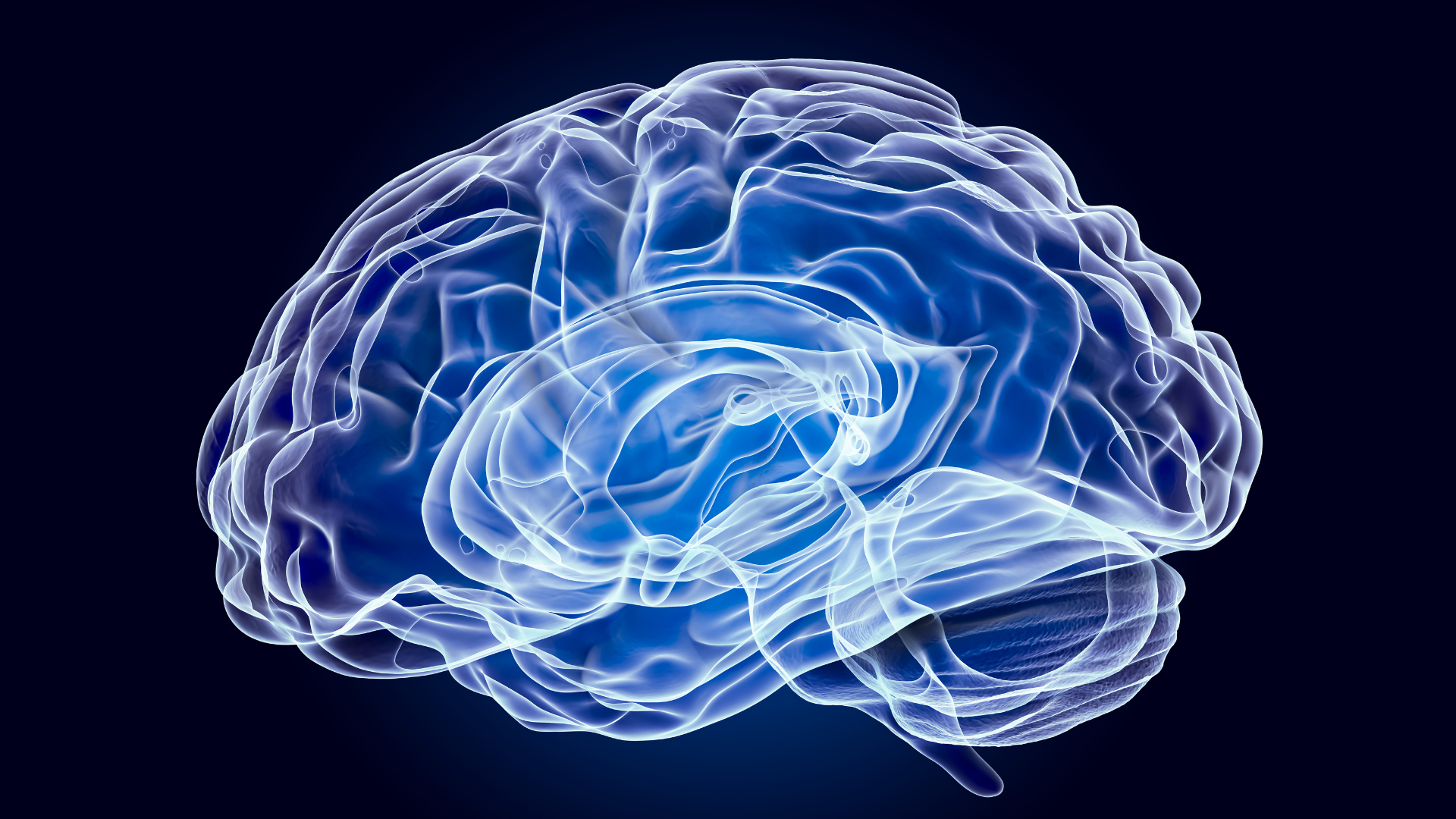
Can you tell us all about Neurofeedback training and what it’s useful for?
Neurofeedback is a form of brain training that helps the brain learn how to regulate itself more effectively. By measuring brainwave activity in real time, it gives the brain feedback on how it is functioning, helping it recognise and gradually improve patterns that may be linked to issues such as anxiety, poor sleep, stress, low mood or difficulty concentrating.
Over a series of sessions, the brain learns to move towards healthier, more balanced patterns of activity, much like training a muscle through repetition. Neurofeedback is also used to support performance, helping people improve focus, mental clarity and resilience.
What happens during a typical session and what can someone expect when they come in for the first time?
During a session, you’ll sit comfortably while wearing a lightweight EEG headset, which measures electrical activity in the brain. The process is completely non-invasive and painless. There is no stimulation or ‘zapping’ involved and most people find it calming and relaxing.
Your first session begins with detailed brain mapping, which looks at activity across different areas of the brain. This creates a personalised picture of how your brain is functioning and helps identify areas that may be overactive or underactive.
From the second session onwards, the training begins. You’ll usually watch visuals on a screen, listen to audio, or experience a combination of both, with the feedback responding to your brainwave activity in real time. Over time, this helps encourage healthier patterns of brain function. Many people report improvements in areas such as sleep, focus and mental clarity after a number of sessions.
How do you tailor sessions to suit each individual client?
Every client begins with a full EEG neural assessment, which helps identify which brainwave frequencies are out of balance and where in the brain those changes are happening. Rather than using a one-size-fits-all approach, each programme is tailored to the person’s unique brain patterns, goals and experiences.
For some, the focus may be on improving concentration, cognitive performance or resilience, while for others it may centre around supporting sleep, anxiety, low mood or recovery from stress and trauma.
Your goals and experiences also come into consideration as the training is adapted throughout the process to ensure it remains aligned with each client’s needs and progress.
What kind of long-term impact can neurofeedback have on someone's wellbeing or performance?
Neurofeedback is designed to create lasting change by helping the brain learn healthier patterns over time; much like learning to ride a bike. After a number of sessions, the brain consolidates new patterns and learns how to get into the optimal states we’re training all on its own.
We often find clients tend to show improvements in qualities such as sleep quality, stress resilience, focus and emotional balance. For those looking to enhance performance, the benefits can include clearer decision-making, improved concentration and a greater ability to stay calm and composed under pressure. Some clients choose to return for occasional follow-up sessions to support other aspects of brain health as their needs evolve.
What advice would you give to someone who is curious about neurofeedback but unsure whether to try it?
Starting with a consultation is often the best first step. It gives you the opportunity to ask questions, understand more about the process and see what your brain mapping data may reveal before deciding whether to continue.
Neurofeedback isn't magic, it's a clinical tool that works that works through consistency and repetition over time. Like any wellbeing practice, it works best when approached with openness and commitment. For people who are willing to engage with the process, it can be a valuable tool for supporting both wellbeing and performance.
Is neurofeedback suitable for everyone, or are there certain people who benefit most from it?
Neurofeedback can be beneficial for many healthy adults, particularly those experiencing stress, poor sleep, mental fatigue, difficulty focusing or dips in performance. It can also support people who simply want to optimise how they feel and function day to day.
The initial assessment is an important part of the process, helping to determine whether neurofeedback is the right fit for an individual and ensuring the training is tailored appropriately to their needs and goals.
Can neurofeedback be used alongside other wellness or fitness routines?
Absolutely. Neurofeedback often works well alongside other wellbeing practices such as exercise, mindfulness, breathwork and healthy sleep habits. Rather than replacing these routines, it complements them by supporting the brain’s underlying patterns and helping the nervous system function more efficiently. Many people find that combining neurofeedback with a broader wellbeing approach can enhance the overall benefits they experience.
Are there any introductory offers, taster sessions, or ways for members to get started?
Yes, during the June event at Goodwood Health & Wellbeing, there will be neural meditation sessions and a live brain demonstration taking place on-site, available to Goodwood Health and Wellbeing members. There will also be a limited number of individual assessment appointments available for members who would like to explore neurofeedback in more depth.
This acts as an accessible, low-commitment way for people to experience the technology first-hand, ask questions and discover whether it could be beneficial for them.