-
Events
-
Festival of Speed
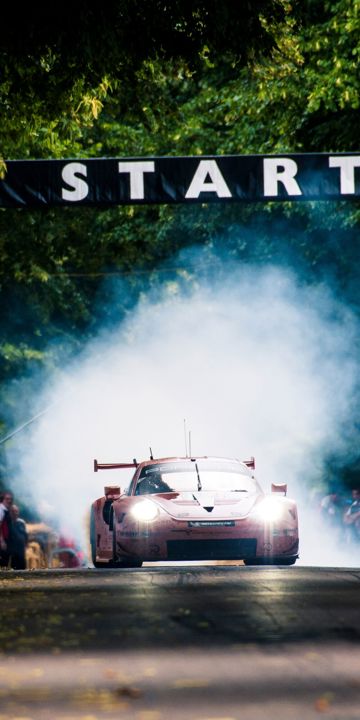

The Robots take control
Roborace was the first car to ever complete the hillclimb... without a driver! -
Goodwood Revival
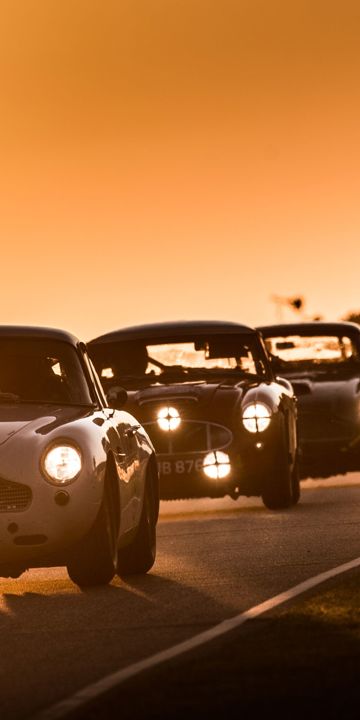

Goodwood Heroes
Legend of Goodwood's golden racing era and Le Mans winner Roy Salvadori once famously said "give me Goodwood on a summer's day and you can forget the rest".
-
Members' Meeting
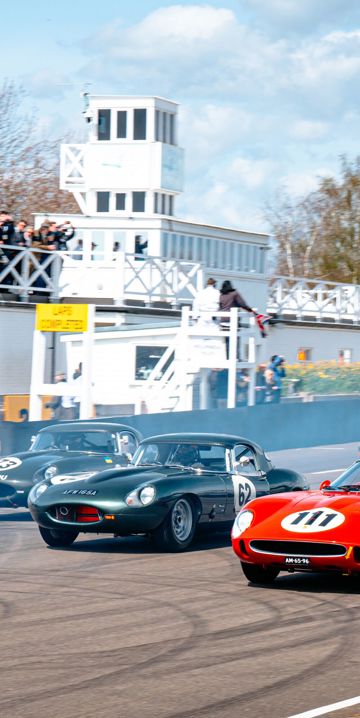

More than motorsport...
Ferret racing and duck herding are two of the many off-track activities at Members' Meeting -
Qatar Goodwood Festival
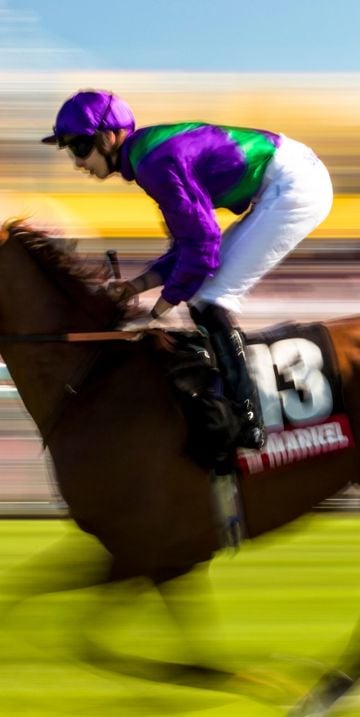

Why walk when you can drive
The first ever horsebox was used from Goodwood to Doncaster for the 1836 St. Leger. Elis arrived fresh and easily won his owner a £12k bet.
-
Goodwoof
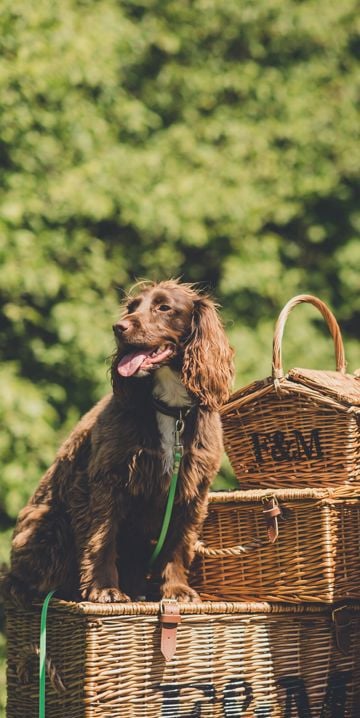

Start in style
The breed parade sees hundreds of dogs and their owners walk from Goodwood House down to The Kennels to kick start the Goodwoof weekend. -
Horseracing
-
Season Opener
-
May Festival
-
Family Race Day
-
Three Friday Nights
-
August Bank Holiday
-
Autumn Racing
-
Season Finale
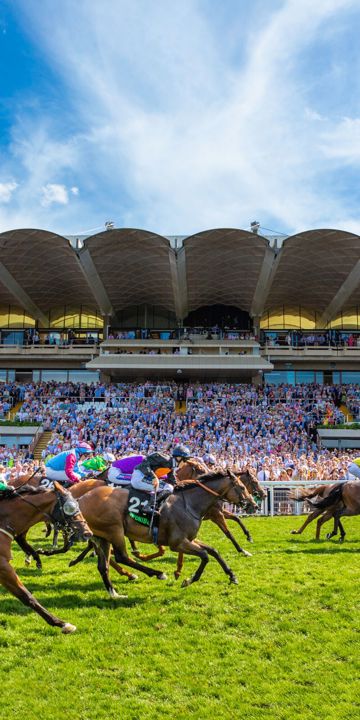

Wearing Linen at the Races
Ever since King Edward VII relaxed the dress code in the 19th century, we have enjoyed a carefree holiday feel here, unlike any other racecourse. -
Season Opener
-
Breakfast Club
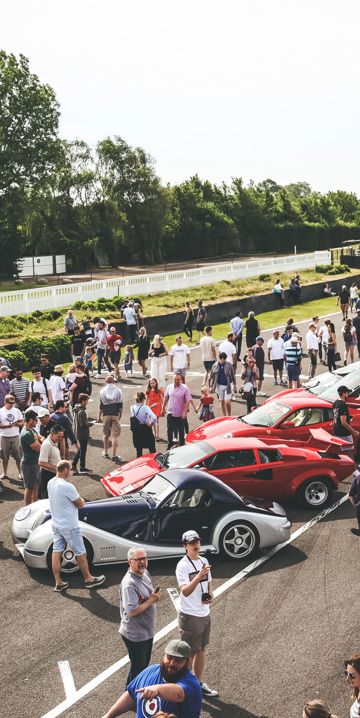

A perfect Sunday morning?
A no-cost, all-welcome motoring show where the visitors and their machines are the stars -
Health Summit
-
Hospitality
-
Exhibiting
-
Partnerships
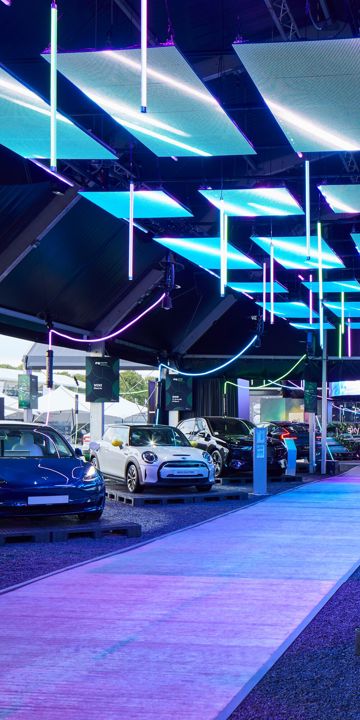

Where else can you...
...plan strategy in an ancient woodland, enjoy award-winning dining then drive around a racetrack?
-
What's on
-
Festival of Speed
-
Visit, Eat, Stay
-
The Goodwood Hotel
-
Rooms
-
Contact Us
-
Christmas
-
New Year's Eve
-
Weddings
-
Kids Activities
-
Offers
-
Local Attractions
-
Plan your stay

St Simon
Whoa Simon! A horse so determined and headstrong, he not only won the 1883 Goodwood Cup by 20 lengths, but couldn't be stopped and carried on running over the top of Trundle hill
-
Rooms
-
Goodwood Cottages


Estate Crest
"En la rose je fleurie" or "Like the rose, I flourish" is part of the Richmond coat of Arms and motto
-
Goodwood House
-
Afternoon Tea & Tour
-
The Collection
-
Exhibitions
-
History
-
Weddings
-
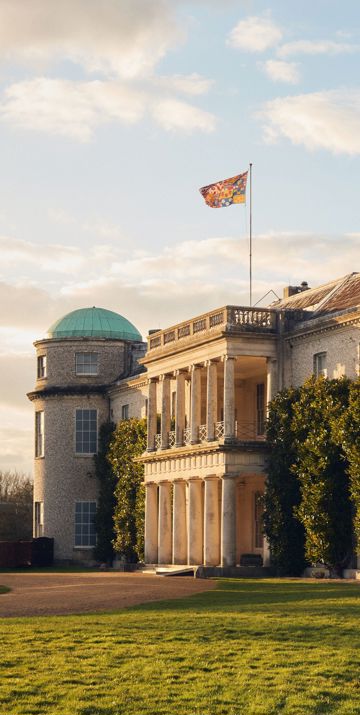
Copper Dome Restoration
-
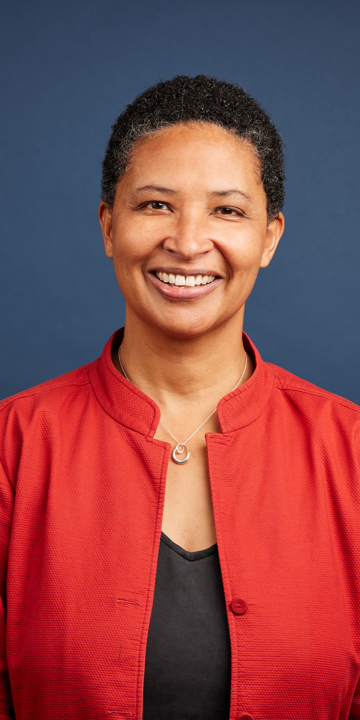
Secrets of a Radical Duke Talk by Professor Danielle Allen
Estate Crest
"En la rose je fleurie" or "Like the rose, I flourish" is part of the Richmond coat of Arms and motto
-
Afternoon Tea & Tour
-
Restaurants
-
Farmer, Butcher, Chef
-
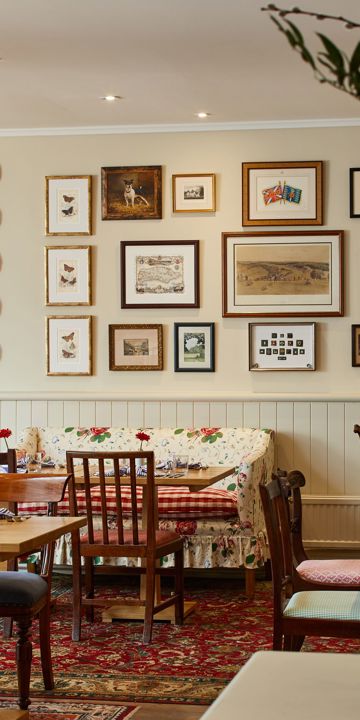
The Goodwood Bar & Grill
-
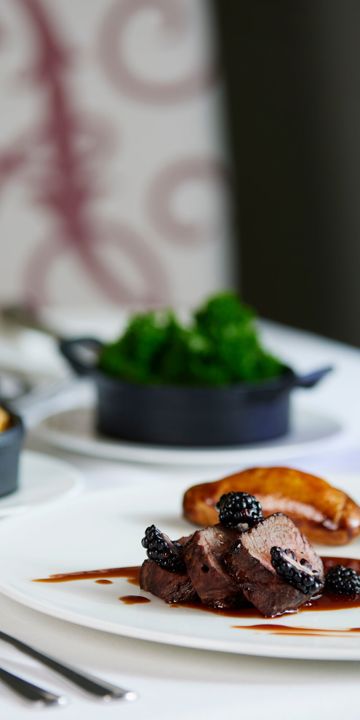
The Kennels
-
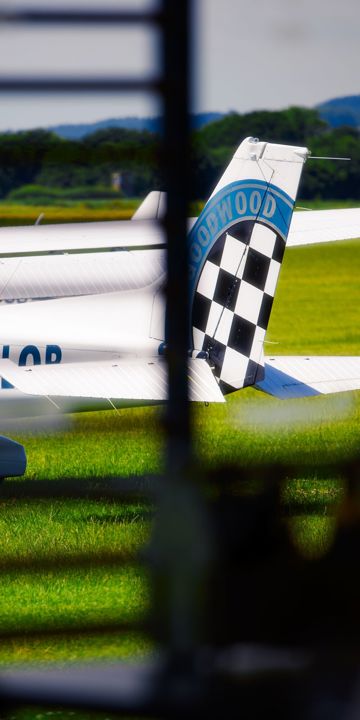
Aerodrome Café
-
Motor Circuit Café

-
Cafe 24
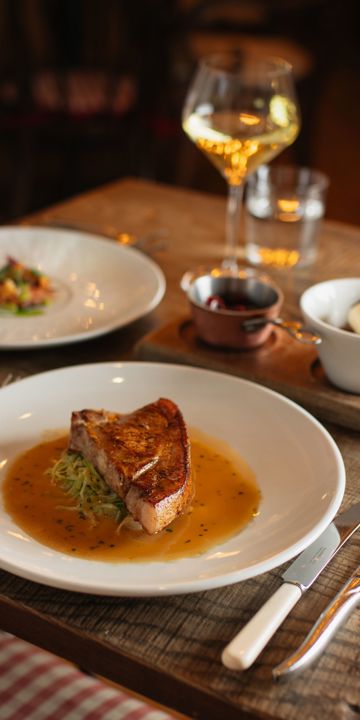

Sustainable state-of-mind
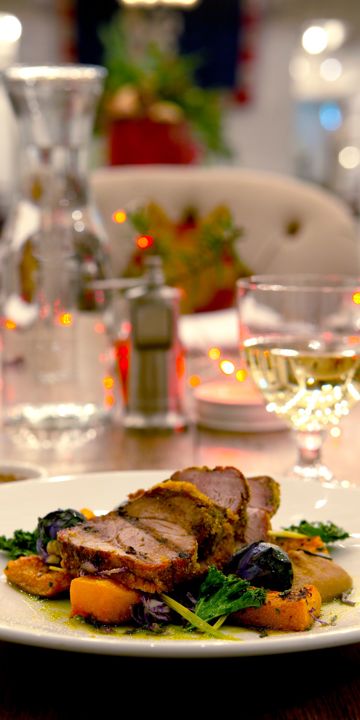
When Farmer, Butcher, Chef opened in 2016 it was awarded the UK’s first-ever Royal Academy of Culinary Arts ‘Sustainable Food Philosophy Seal’. -
Farmer, Butcher, Chef
-
The Kennels
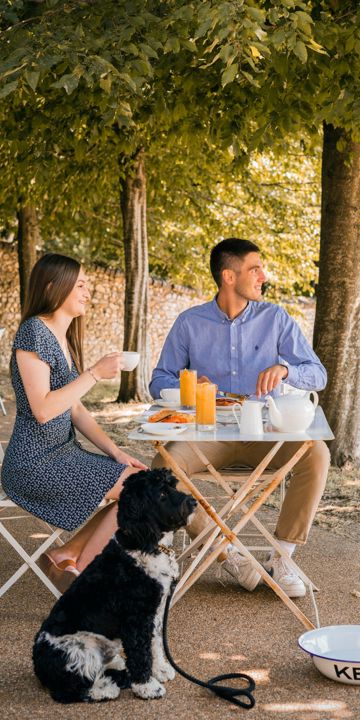

How old is The Kennels?
Built in 1787 by celebrated architect James Wyatt to house the third Duke of Richmond’s prized fox hounds, The Kennels was known as one of the most luxurious dog houses in the world!
-
Motor Circuit
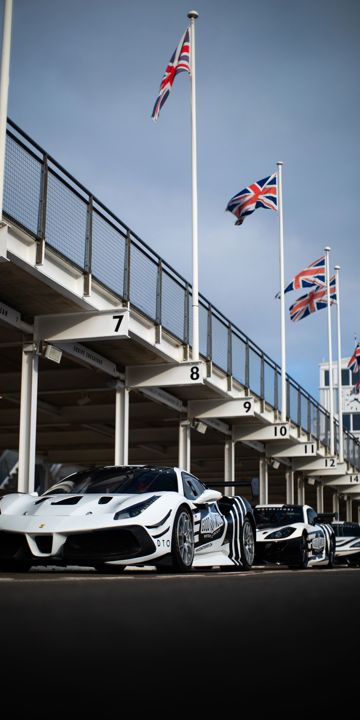

Cricketers since 1702
The oldest existing rules for the game were drawn up for a match between the 2nd Duke and a neighbour
-
Health & Wellbeing
-
Membership
-
Health Club
-
Gym
-
Run Series
-
Spa Treatments
-
Wellness Retreats
-
Events Calendar
-
Corporate Wellbeing
-
Health Summit
-
Latest News
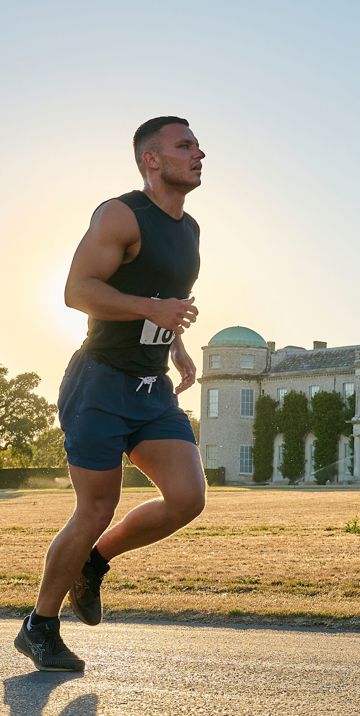

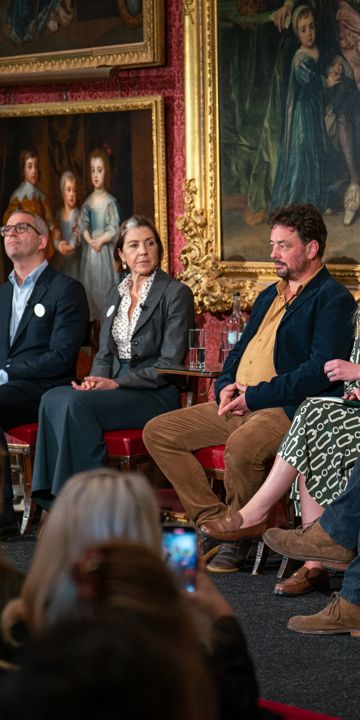
Goodwood's first Health Summit...
...took place in 2023 with industry experts discussing nutrition costs and food systems for a healthier future. -
Membership
-
Hound Lodge
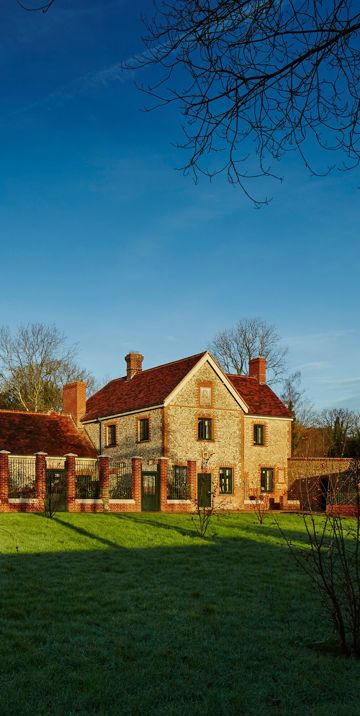

Red letter days...
Extracts from the 4th & 5th Dukes diaries are on display with red ink used to highlight great things that had happened.
-
Goodwood Farm Shop


Levin Down Gin
Our gin uses wild-grown botanicals sourced from the estate, and is distilled with mineral water naturally chalk-filtered through the South Downs.
-
Parties
-
Goodwood Art Foundation
-
The Goodwood Hotel
-
Motorsport
-
Festival of Speed
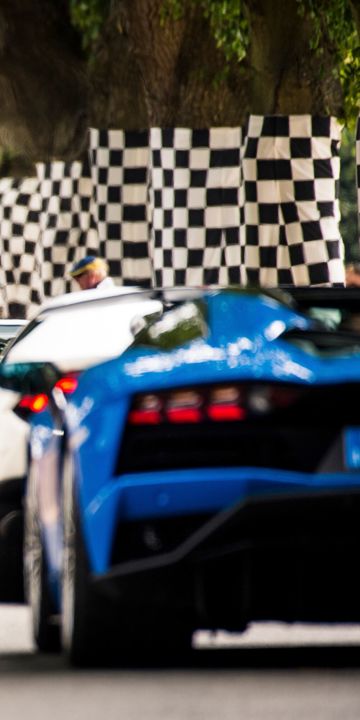

How many hay bales are used at FOS?
For the last two years, 5,800 bales have been recylced into the biomass energy centre to be used for energy generation
-
Goodwood Revival
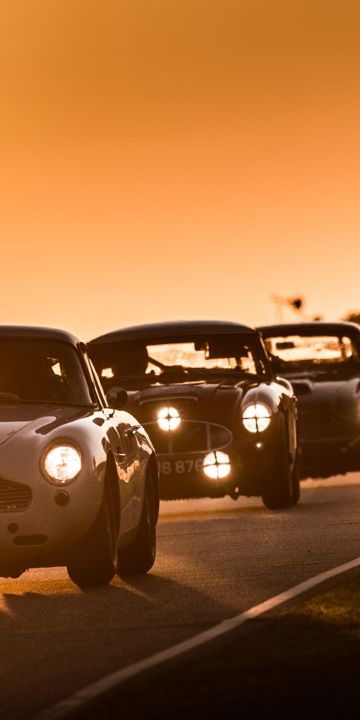

Earls Court replica
Our replica of the famous motor show showcases the "cars of the future" in true Revival style
-
Members' Meeting
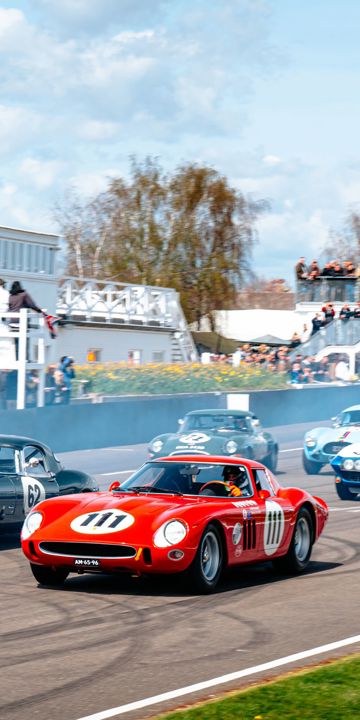

Have you visited our Forest Rally Stage?
From 2005 to present there has been a demonstration area for the rally cars at the top of the hill
-
Breakfast Club
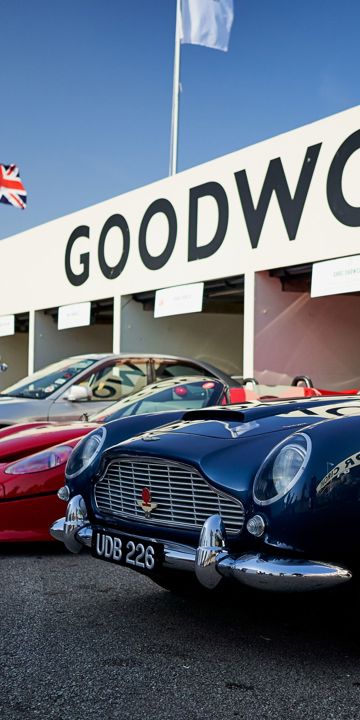
Have you visited our Forest Rally Stage?
From 2005 to present there has been a demonstration area for the rally cars at the top of the hill
-
Motor Circuit

Why don't the F1 cars race the hill?
For safety reasons F1 cars can no longer do official timed runs so instead perform stunning demonstrations!
-
Driving Experiences
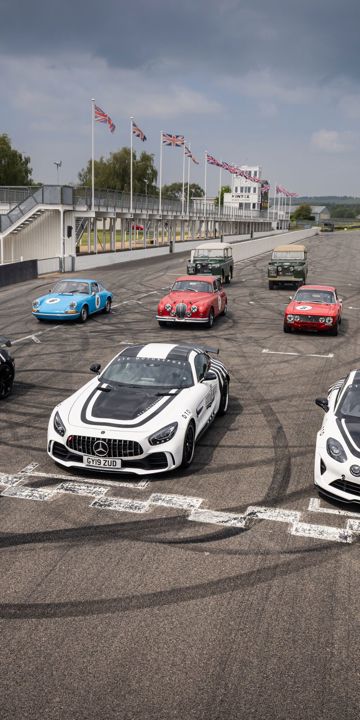
Goodwood Heroes
Legend of Goodwood's golden racing era and Le Mans winner Roy Salvadori once famously said "give me Goodwood on a summer's day and you can forget the rest".
-
Goodwood Road Racing Club
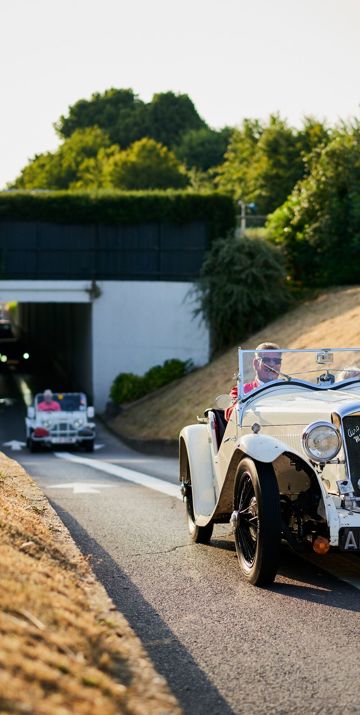
Have you visited our Forest Rally Stage?
From 2005 to present there has been a demonstration area for the rally cars at the top of the hill
-
Latest News
-
Festival of Speed
-
Horseracing
-
Tickets & Packages
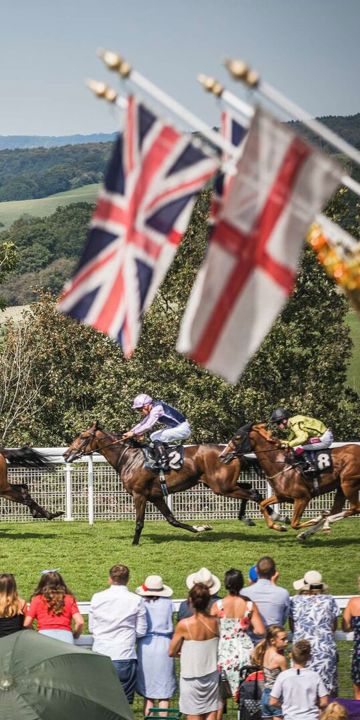

Royal approval
King Edward VII (who came almost every year) famously dubbed Glorious Goodwood “a garden party with racing tacked on”.
-
Hospitality
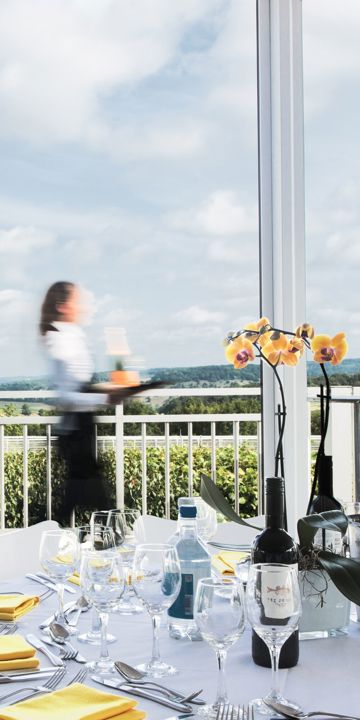
St Simon
Whoa Simon! A horse so determined and headstrong, he not only won the 1883 Goodwood Cup by 20 lengths, but couldn't be stopped and carried on running over the top of Trundle hill
-
Membership
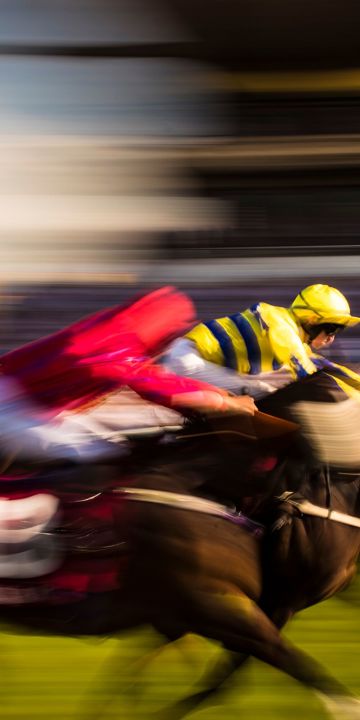
Wearing Linen at the Races
Ever since King Edward VII relaxed the dress code in the 19th century, we have enjoyed a carefree holiday feel here, unlike any other racecourse. -
Fixtures & Events
-
Season Opener
-
May Festival
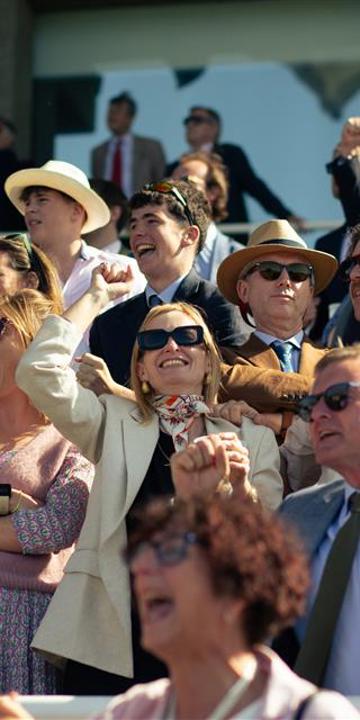
-
Family Race Day
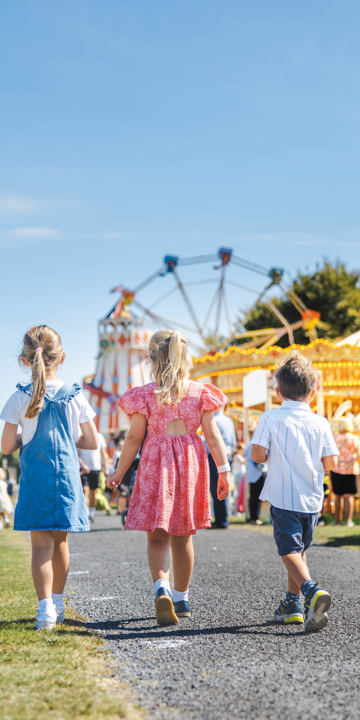
-
Three Friday Nights
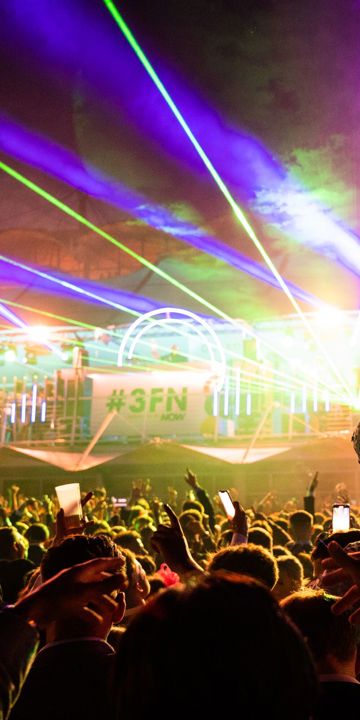
-
Qatar Goodwood Festival
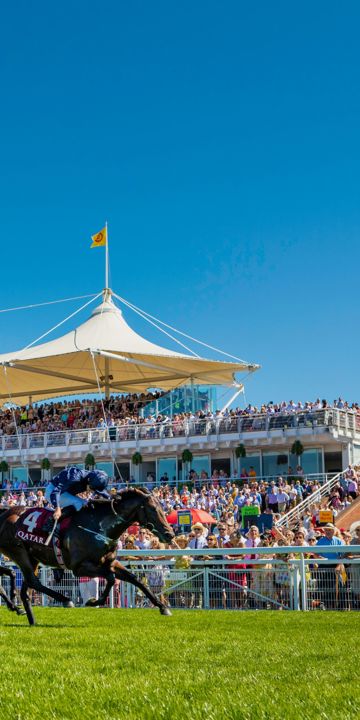
-
August Bank Holiday
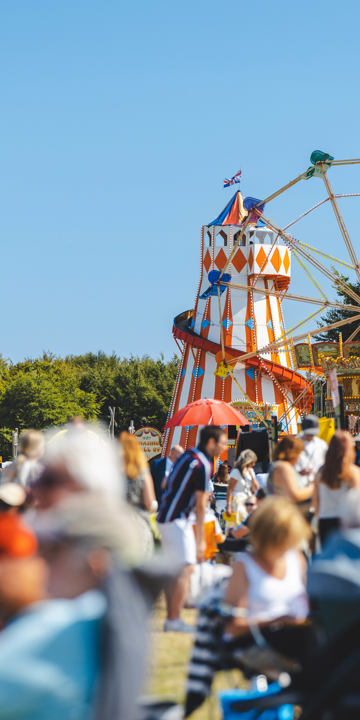
-
Autumn Racing
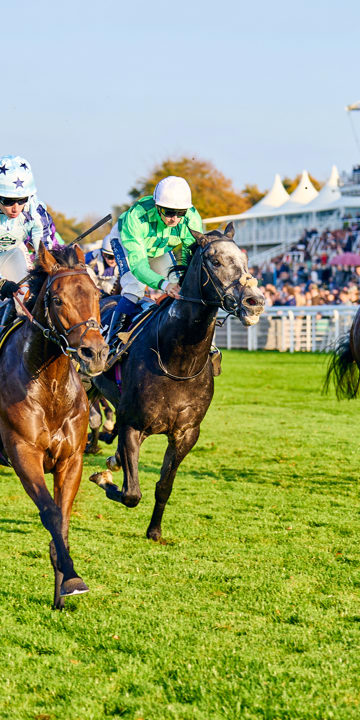
-
Season Finale
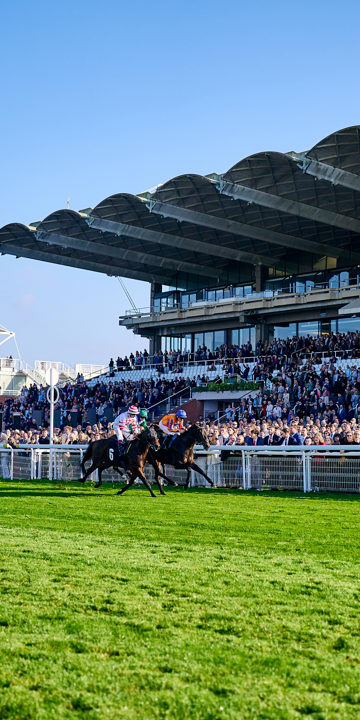
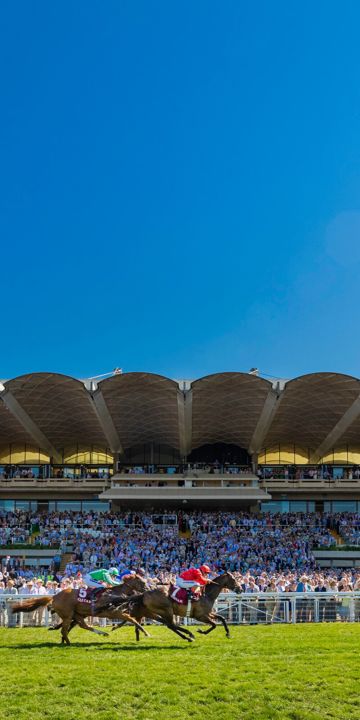

Racing Colours
The red & yellow of the Racecourse can be traced back hundreds of years, even captured in our stunning Stubbs paintings in the Goodwood Collection
-
Season Opener
-
Qatar Goodwood Festival
-
Tickets & Packages
-
Hospitality
-
Day by Day Guide
-
Ladies Day
-
Magnolia Cup
-
The Earl's Lawn
-
Timetable
-
Partners
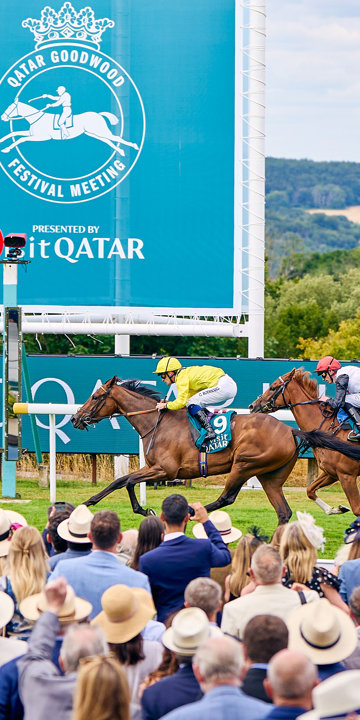

Why does everyone wear hats?
One Summer, King Edward VII turned his back on the traditional morning suit, and donned a linen suit and Panama hat. Thus the Glorious Goodwood trend was born.
-
Tickets & Packages
-
Three Friday Nights
Royal approval
King Edward VII (who came almost every year) famously dubbed Glorious Goodwood “a garden party with racing tacked on”.
-
Plan Your Day
-
Enclosures
-
Event Map
-
Going Report
-
Getting Here
-
Betting at Goodwood
-
Dress Code
-
Accessibility
-
Food & Drink
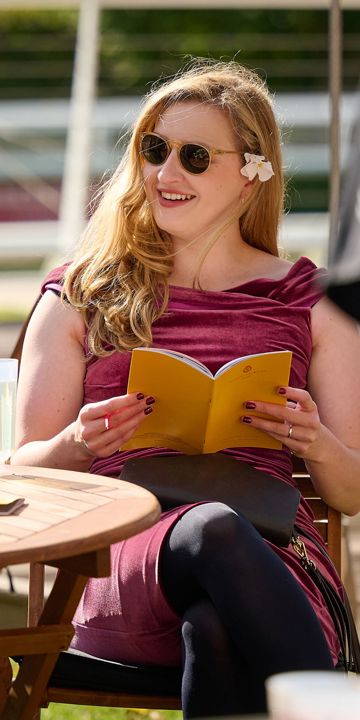

"Glorious Goodwood"
The first public race meeting took place in 1802 and, through the nineteenth century, ‘Glorious Goodwood,’ as the press named it, became a highlight of the summer season
-
Enclosures
-
Buy Merchandise
-
Partners
-
Owners & Trainers
-
Latest News
-
FAQs
-
Accessibility
-
Tickets & Packages
-
Experiences
-
Driving
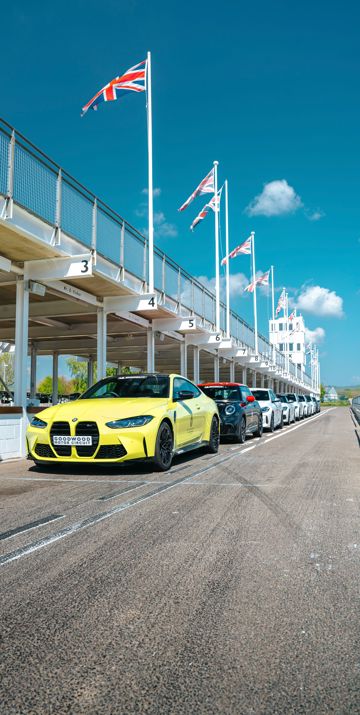
Have you visited our Forest Rally Stage?
From 2005 to present there has been a demonstration area for the rally cars at the top of the hill
-
Flying
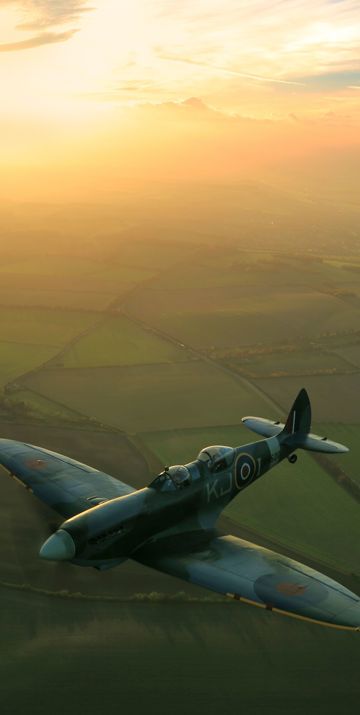

Battle of Britain
Flying training began at Goodwood in 1940 when pilots were taught operational flying techniques in Hurricanes and Spitfires.
-
Golf

Braid’s Masterpiece
One of the greatest golfers of all time, James Braid designed Goodwood’s iconic Downland course, opened in 1914.
-
Shooting
St Simon
Whoa Simon! A horse so determined and headstrong, he not only won the 1883 Goodwood Cup by 20 lengths, but couldn't be stopped and carried on running over the top of Trundle hill
-
Afternoon Tea
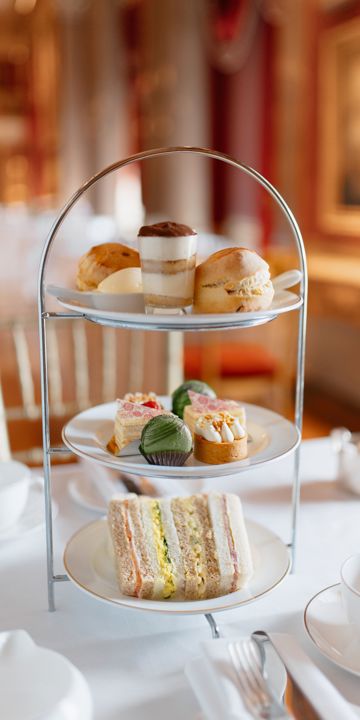
How old is The Kennels?
Built in 1787 by celebrated architect James Wyatt to house the third Duke of Richmond’s prized fox hounds, The Kennels was known as one of the most luxurious dog houses in the world!
-
Corporate Wellbeing
Goodwood's first Health Summit...
...took place in 2023 with industry experts discussing nutrition costs and food systems for a healthier future. -
Cycling
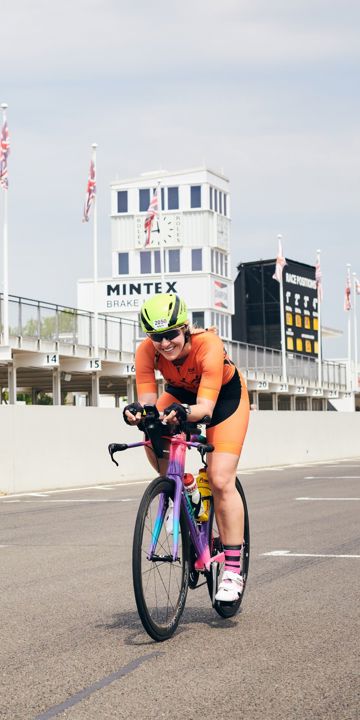

The Silver Spitfire
The iconic spitfire covered almost 43,000 kilometres and visited over 20 countries on its epic journey and currently resides at our Aerodrome.
-
Corporate Experiences
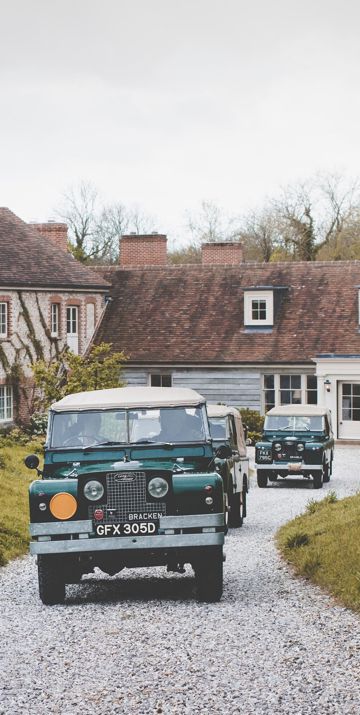
Where else can you...
...plan strategy in an ancient woodland, enjoy award-winning dining then drive around a racetrack?
-
Spa Treatments
-
Driving
- Hospitality
-
Golf
-
Golf Courses
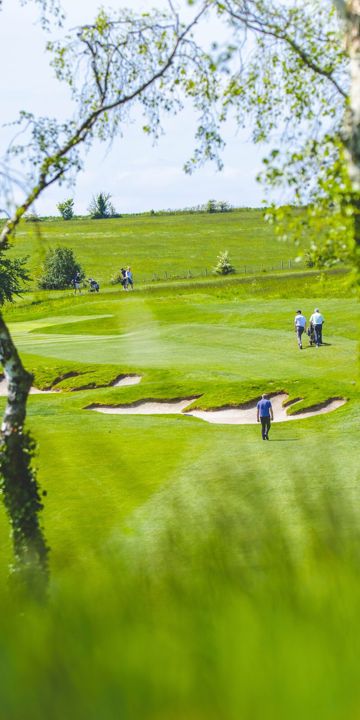
Braid’s Masterpiece
One of the greatest golfers of all time, James Braid designed Goodwood’s iconic Downland course, opened in 1914.
-
Golf Membership
-
Credit Membership
-
Application Form
-
Braid Membership
-
Intermediate Membership
-
Junior Membership
-
Corporate Membership
-
Get Into Golf
-
Copse Membership

Braid’s Masterpiece
One of the greatest golfers of all time, James Braid designed Goodwood’s iconic Downland course, opened in 1914.
-
Credit Membership
-
The Academy
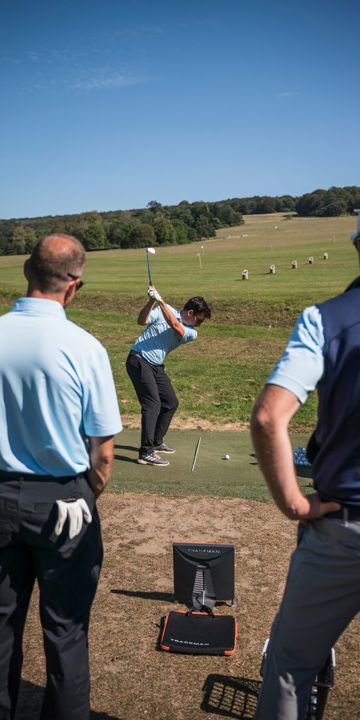
Braid’s Masterpiece
One of the greatest golfers of all time, James Braid designed Goodwood’s iconic Downland course, opened in 1914.
-
Golf Experiences


A sporting Estate
Goodwood has two 18-hole championship courses, a modern clubhouse and an impressive Academy.
-
Golf Courses
-
Flying
-
Flying School
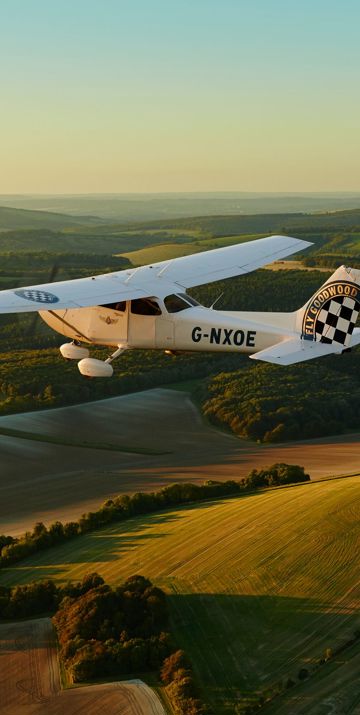

Flying Elephant
The first thing ever dropped at Goodwood was a cuddly elephant which landed in 1932 just as the 9th Duke of Richmonds passion for flying was taking off.
-
Aero Club Membership
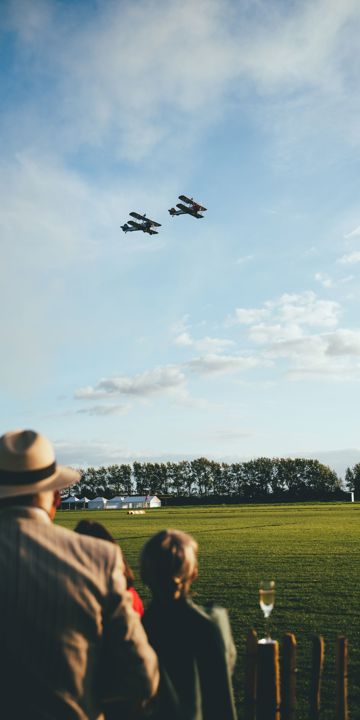

Group Captain Sir Douglas Bader
The famous fighter ace, who flew his last sortie from Goodwood Aerodrome, formerly RAF Westhampnett has a statue in his honor within the airfield.
-
Flying Experiences
-
Pilot Information
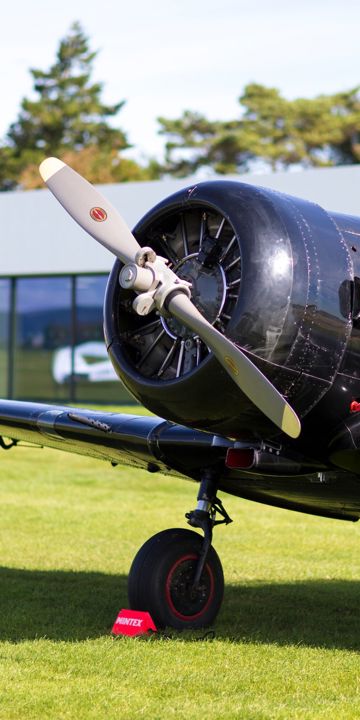

During the war...
The Motor Circuit was known as RAF Westhampnett, active from 1940 to 1946 as a Battle of Britain station.
-
Flying School
-
Meetings
-
Venue Hire
-
Goodwood House
-
The Racecourse
-
The Goodwood Hotel
-
The Motor Circuit
-
The Kennels
-
The Aerodrome
-
The Great Outdoors
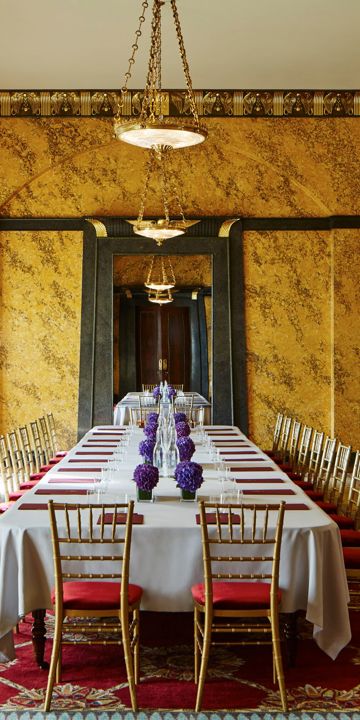
Where else can you...
...plan strategy in an ancient woodland, enjoy award-winning dining then drive around a racetrack?
-
Goodwood House
-
Plan Your Meeting
-
Parties
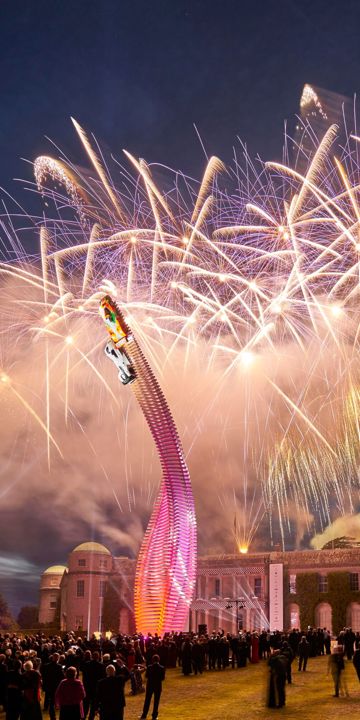
Where else can you...
...plan strategy in an ancient woodland, enjoy award-winning dining then drive around a racetrack?
-
Hospitality

-
Corporate Experiences
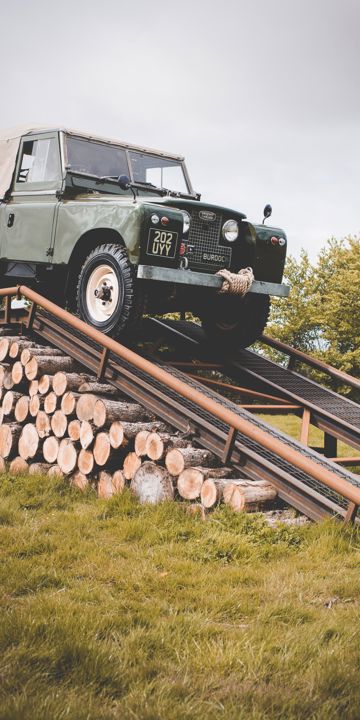
Where else can you...
...plan strategy in an ancient woodland, enjoy award-winning dining then drive around a racetrack?
-
Christmas Parties
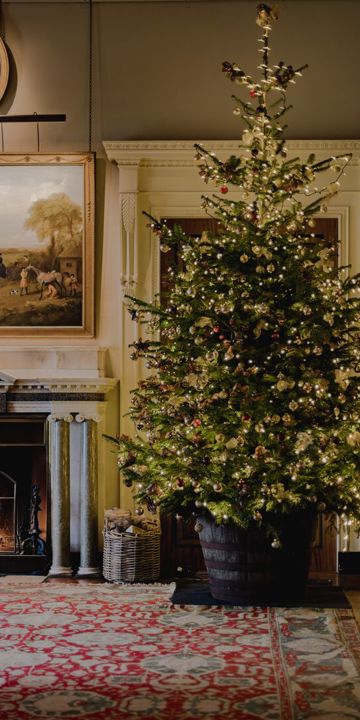
-
Film Locations
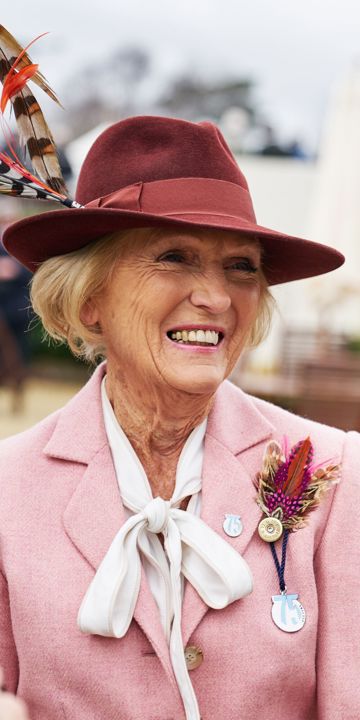
Filming at Goodwood
We have been host to many incredible film crews using Goodwood as a backdrop for shows like Downton Abbey, Hollywood Blockbusters like Venom: let there be Carnage and the Man from U.N.C.L.E.
-
Venue Hire
-
Weddings
-
Goodwood House
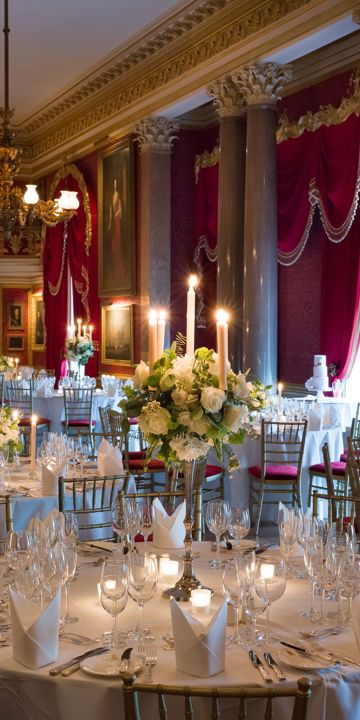

Egyptian Dining Room
Testament to the 19th-century fascination with ancient Egypt and decorative opulence. The room is richly detailed with gilded cartouches, sphinxes, birds and crocodiles.
-
The Kennels


Fashionable foxhounds
The 1st Duke of Richmond bought Goodwood in 1697 as a place to stay to go foxhunting with the fashionable Charlton Hunt. -
Parties
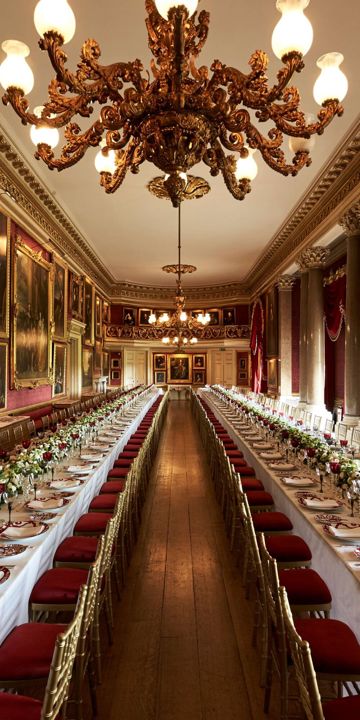


A destination for all seasons
We're well known for our iconic motorsport and horseracing events. But there's a lot more happening at Goodwood...
-
Goodwood House
-
Memberships
-
Goodwood Road Racing Club
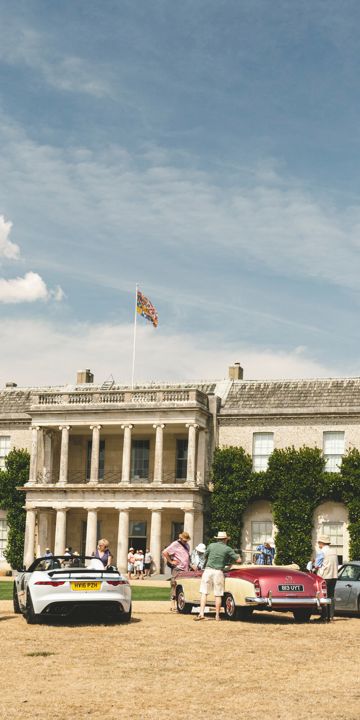

When was the GRRC founded?
Established in 1998 by the Duke of Richmond, the Goodwood Road Racing Club offers exclusive benefits across the estate year-round -
Goodwood Horseracing Club
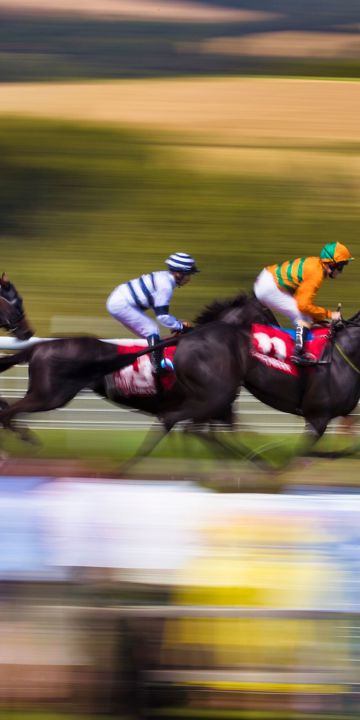
Royal approval
King Edward VII (who came almost every year) famously dubbed Glorious Goodwood “a garden party with racing tacked on”.
-
Golf At Goodwood
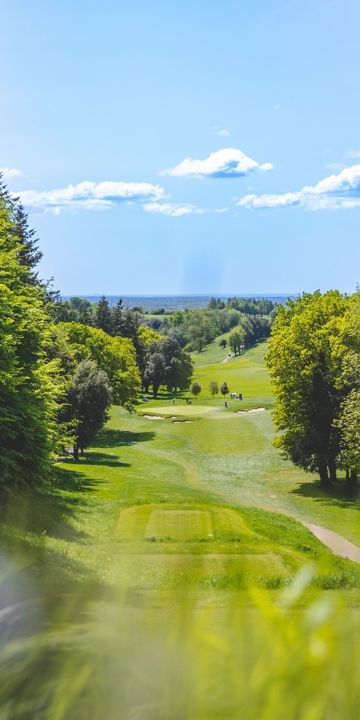
A sporting Estate
Goodwood has two 18-hole championship courses, a modern clubhouse and an impressive Academy. -
Goodwood Aero Club

Flying with Goodwood
Come with us for an epic journey. -
Goodwood Health Club
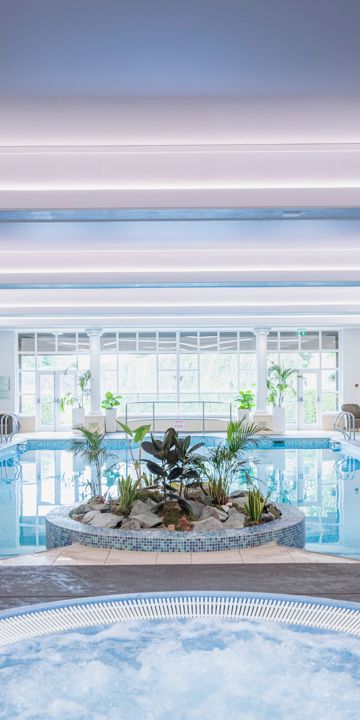
Goodwood's first Health Summit...
...took place in 2023 with industry experts discussing nutrition costs and food systems for a healthier future. -
The Kennels

Fashionable foxhounds
The 1st Duke of Richmond bought Goodwood in 1697 as a place to stay to go foxhunting with the fashionable Charlton Hunt. -
Sporting Membership

During the war...
The Motor Circuit was known as RAF Westhampnett, active from 1940 to 1946 as a Battle of Britain station. -
Goodwood Racehorse Owners Group
-
Goodwood Art Foundation
-
Goodwood Road Racing Club
- Classic Car Insurance
- Health & Wellbeing
- Buy Merchandise
-
Our Estate
-
What's on
-
Estate Map
Filming at Goodwood
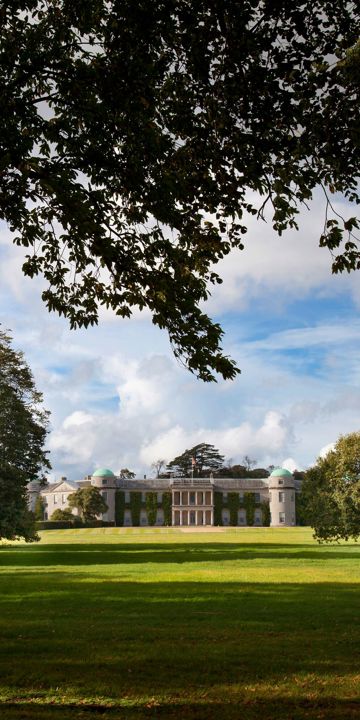
We have been host to many incredible film crews using Goodwood as a backdrop for shows like Downton Abbey, Hollywood Blockbusters like Venom: let there be Carnage and the Man from U.N.C.L.E.
-
Stories from the Estate
Filming at Goodwood
We have been host to many incredible film crews using Goodwood as a backdrop for shows like Downton Abbey, Hollywood Blockbusters like Venom: let there be Carnage and the Man from U.N.C.L.E.
-
Sports
-
Goodwood Education Trust

21,000 litres...
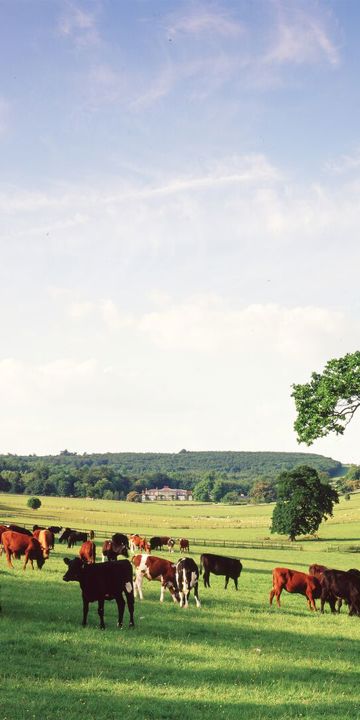
Alongside the award-winning meat, we also produce 21,000 litres of milk a week, used to make our cheeses. -
Charities
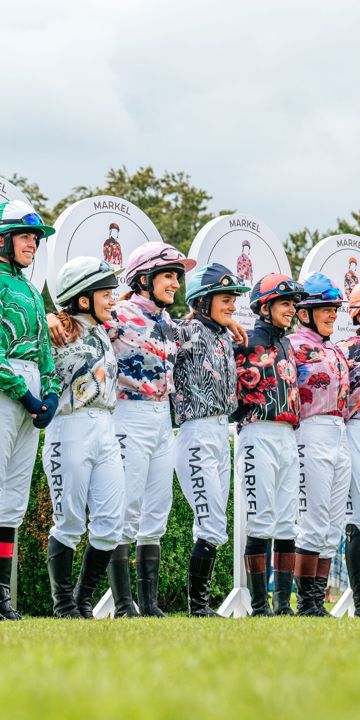
Flying Elephant
The first thing ever dropped at Goodwood was a cuddly elephant which landed in 1932 just as the 9th Duke of Richmonds passion for flying was taking off.
-
Sustainability
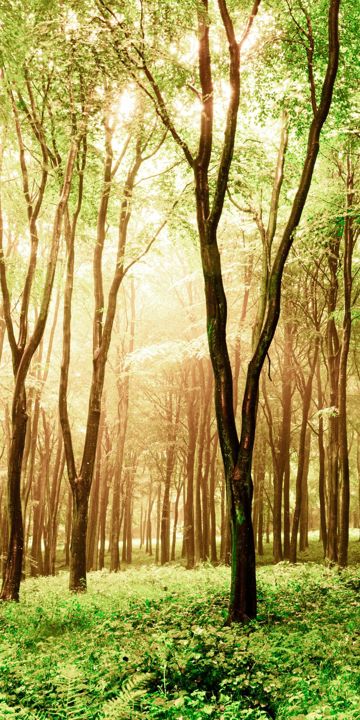
St Simon
Whoa Simon! A horse so determined and headstrong, he not only won the 1883 Goodwood Cup by 20 lengths, but couldn't be stopped and carried on running over the top of Trundle hill
-
Diversity, Equity & inclusion
-
Property
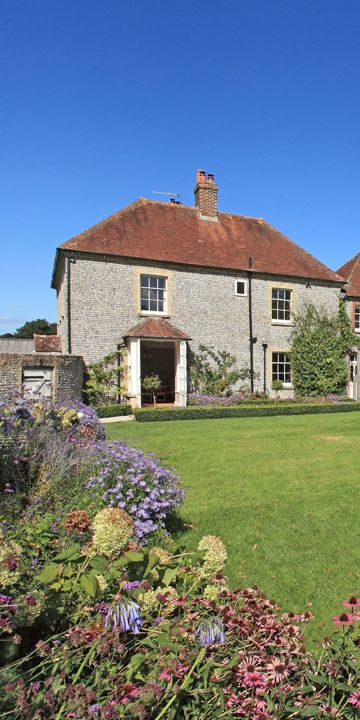
Flying Elephant
The first thing ever dropped at Goodwood was a cuddly elephant which landed in 1932 just as the 9th Duke of Richmonds passion for flying was taking off.
-
Walking Guide


During the war...
The Motor Circuit was known as RAF Westhampnett, active from 1940 to 1946 as a Battle of Britain station.
-
Dog Walking Field
-
Careers
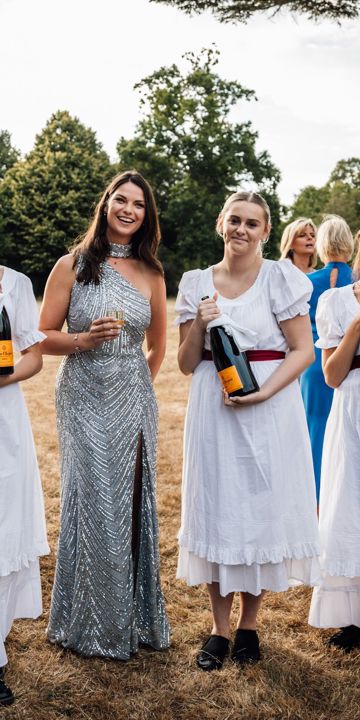
During the war...
The Motor Circuit was known as RAF Westhampnett, active from 1940 to 1946 as a Battle of Britain station. -
Goodwood Art Foundation
-
Farm Shop
-
What's on
- Father's Day



The Journey of Heritage: Raising Pedigree Saddlebacks
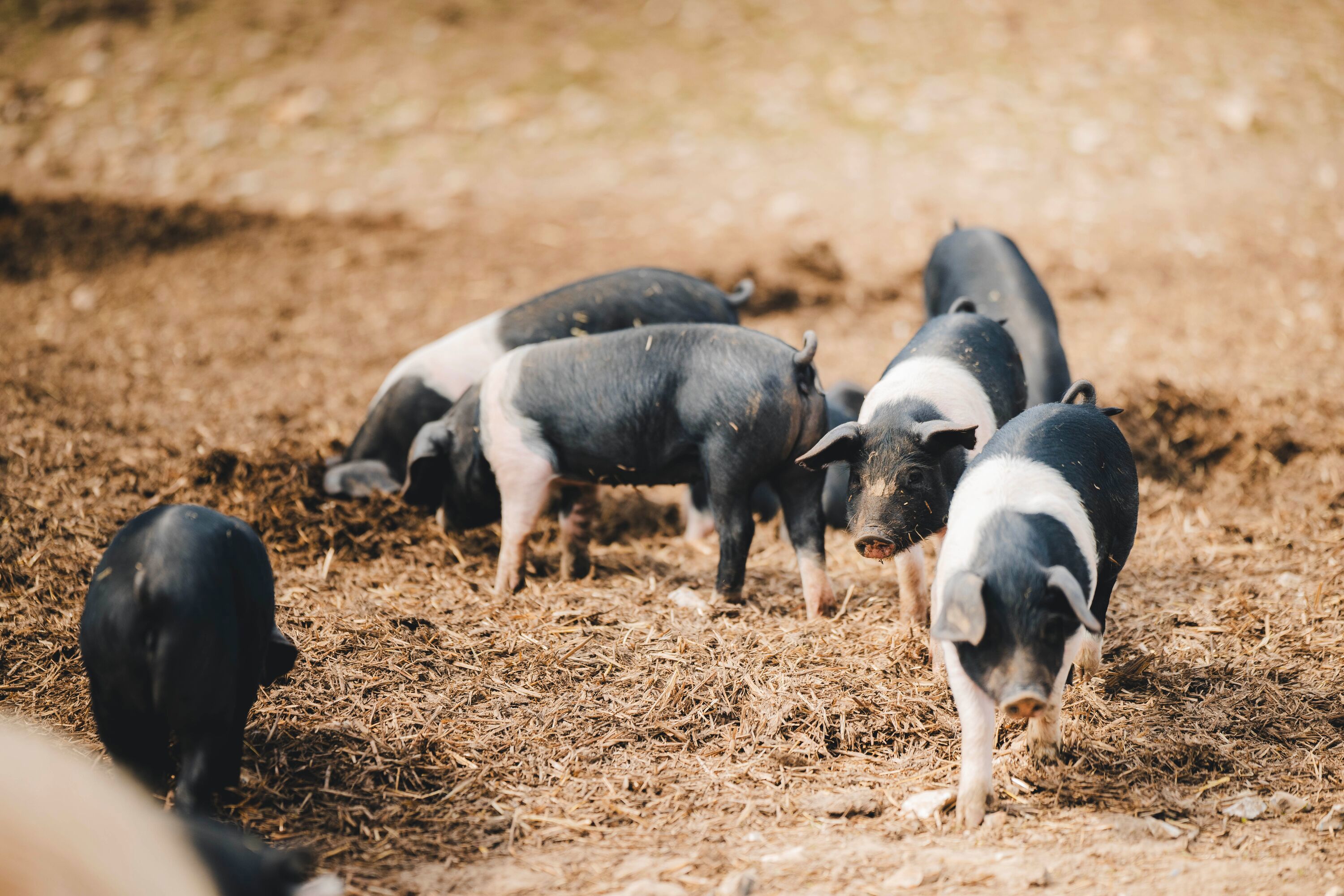
At Goodwood Home Farm, heritage and sustainability go hand in hand. For over 20 years, the farm has been breeding traditional British pigs, including British Saddlebacks, Gloucestershire Old Spots and Large Whites. Today, under the care of Pig Manager Jimmy Spicer, who has dedicated the past decade to the farm, the focus is on becoming a pure homebred British Saddleback farm. The aim is to build a herd of 62 pedigree sows to produce its own replacements and preserve this historic bloodline for generations to come.
Home Farm
Farm Shop
A Rare British Breed
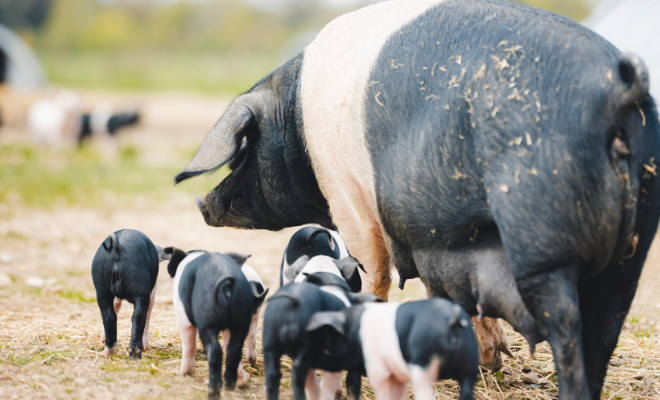
The British Saddleback is a heritage breed with deep roots in the South of England, particularly East Sussex and West Sussex. Once a common breed on British farms, the British Saddleback, known for their slower growth and traditional rearing methods, declined significantly with the rise of commercial farming, which favoured faster-growing breeds.
At Goodwood, that story is being rewritten.
By investing in pedigree breeding and expanding the herd, the farm is helping to restore the Saddleback breed to the British countryside and back to its origins, completing a full-circle journey of heritage.
Life on the Farm
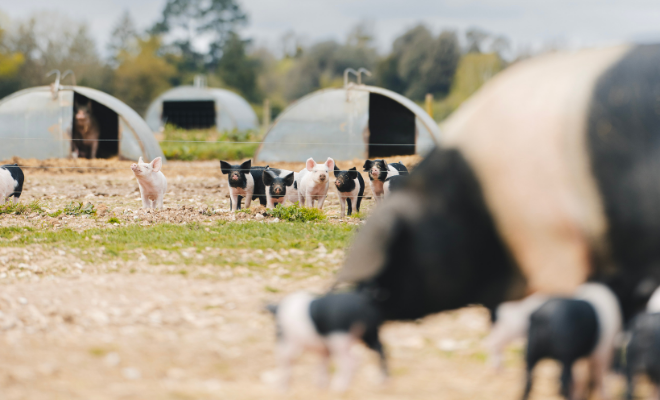
Goodwood’s pigs live outdoors on 100 acres of the 11,000 acre estate, moving from field to field each year as part of a carefully managed rotational system. Jimmy Spicer and his son Tom work side by side every day, all year round, caring for the animals and the land.
Over the past decade, their dedication has driven the farm steadily toward its goal of becoming a leading pedigree Saddleback producer.
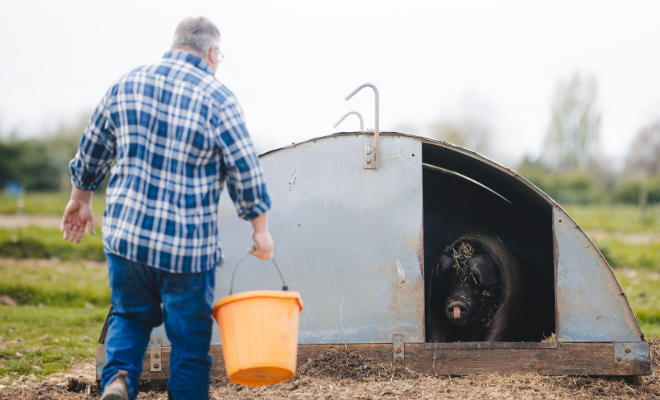
Every day, Jimmy feeds, breeds and cares for the pigs, ensuring their welfare is maintained to the highest standard. Their bedding is regularly cleared and refreshed with straw, while both hand feeding and topping up feeders to ensure they always have steady access to food. Strimming and general field maintenance are carried out by Tom, a job he particularly enjoys.
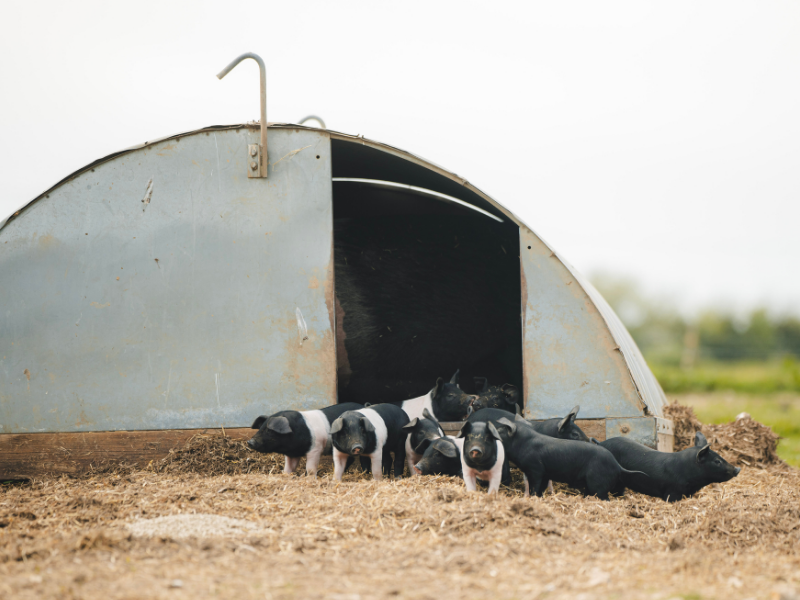
For Jimmy, farming is more than a job, it’s a way of life. He finds joy in farrowing, welcoming new litters into the world.
“When you’re having a bad day, there’s nothing seeing ten newborn piglets can’t fix.” he says.“I’m so lucky to have a job I love. It’s a lifestyle. I get a real sense of achievement from it.”
Building the Bloodline
In recent years, the farm has been carefully developing its British Saddleback breed. The current herd includes the lines of Carl and Guardsman boars alongside Lottie gilts, with plans to introduce Duke boars and Duchess, Ivy and Belle gilts this year.
These bloodlines, Duke, Carl, Guardsman, Duchess, Lottie, Ivy and Belle, will form the foundation of Goodwood’s future pedigree Saddleback herd, ensuring both genetic diversity and long-term sustainability.
“We want to be renowned for quality stock, especially with the Goodwood name.” Jimmy explains.
Character and Care
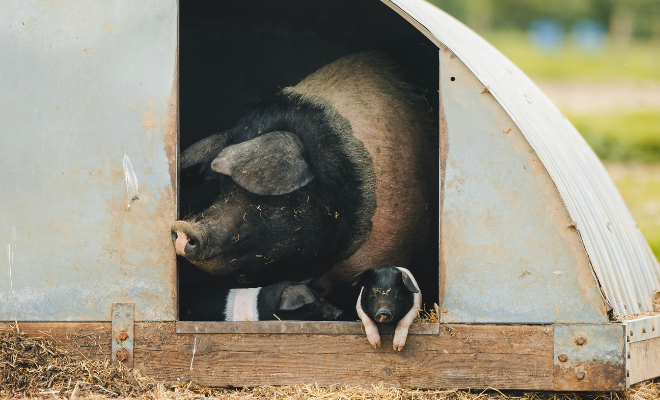
Saddlebacks are known not only for their exceptional meat but also for their kind and gentle temperament.
“Our Saddleback gilts are brilliant mothers…they’re very gentle for their size,” says Jimmy. “They may look similar, but each one has its own individual quirks.”
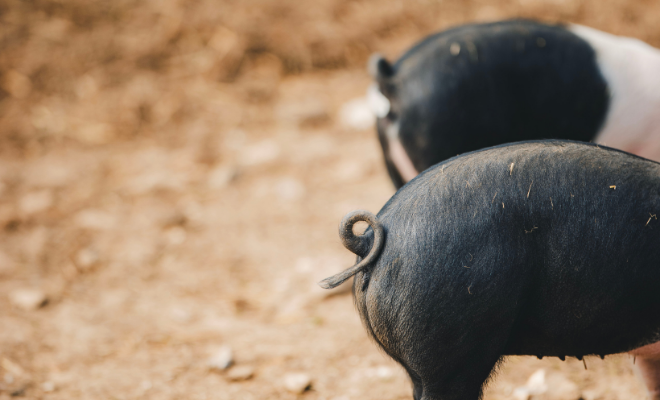
Despite common misconceptions, pigs are neither dirty nor aggressive by nature. Their muddy appearance serves a practical purpose as pigs cannot sweat, so they rely on wallows to regulate their body temperature during warmer months. At Goodwood, they have access to water in wallows every day to keep cool.
Weather remains one of the biggest challenges.“Six months of the year are perfect, but the other six are either too wet or too hot.” Jimmy says. To ensure their welfare is to the highest standard year round, the pigs are provided with straw-filled arcs for shelter and comfort, along with constant access to feed. During hotter periods, when pigs eat less during the day, ad-lib feeders allow them to eat when it suits them, promoting a stress-free lifestyle with the freedom to make their own decisions.
The Importance of May
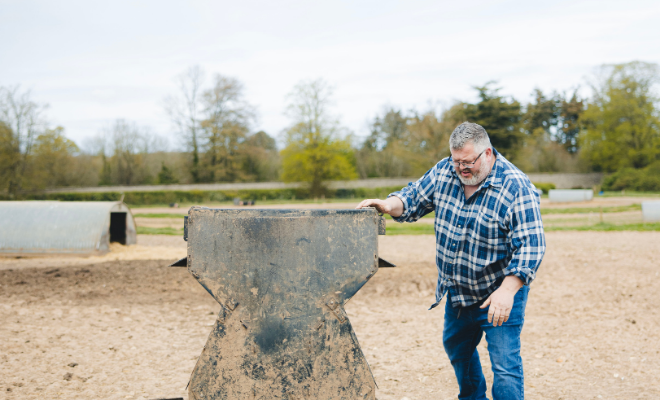
Each year, May marks a key moment in the pig farming calendar. It is when the pigs begin their gradual move to fresh pasture, a process that takes around three months to complete.
This annual transition is essential to maintaining both animal welfare and land quality, ensuring that each field has time to recover and be repurposed for crop production.
Feeding the Land
The pigs are fed a natural, balanced diet based on expert recommendations and guidelines, supporting both their health and the quality of the meat they produce. But their role extends beyond food production as they are an integral part of the farm’s ecosystem.
“They give back to the land. It’s a circle.” Jimmy explains. “They thrive off the soil and the crops thrive off the pigs.”
Through their natural behaviour, the pigs fertilise and condition the soil. When they move to new pasture, the previous fields are ploughed and planted with cereals such as barley and wheat, benefiting from the enriched ground. This rotational system supports soil health and reinforces Goodwood’s sustainable farming practices. This ultimately supporting the production of nutrient-rich food that contributes to human gut health.
From Farm to Fork
“The Saddleback is what makes Goodwood pork different.” says Jimmy. “You know exactly where it comes from. You can walk a few steps from the Farm Shop and see the pigs right there.”
This transparency lies at the heart of Goodwood’s zero food miles, farm-to-fork philosophy, offering customers a direct connection to the source of their food at a time when provenance matters more than ever.
Farming at Goodwood ensures guests are provided with organic, exceptional quality meat with complete transparency over its origins. Visit the Goodwood Farm Shop to purchase high quality cuts from our butchers counter or dine in one of our restaurants, including Farmer, Butcher, Chef, a celebration of the beef, pork and lamb reared at Goodwood Home Farm.
Home Farm
Farm Shop