The 8 greatest Jaguar racing cars of all time
Jaguar’s designs have run in the motorsport spotlight ever since the marque’s first foray into racing with the SS100 in the mid-1930s. Admittedly, there have been some series the Big Cat would rather sweep under the premium tailored carpet, but for the most part its cars have triumphed in every discipline from ‘60s touring cars to today’s Formula E.
As we look ahead to celebrating the achievements of TWR Jaguar at the 84th Members’ Meeting presented by Audrain Motorsport, here’s our pick of the ultimate Jaguar racing cars.
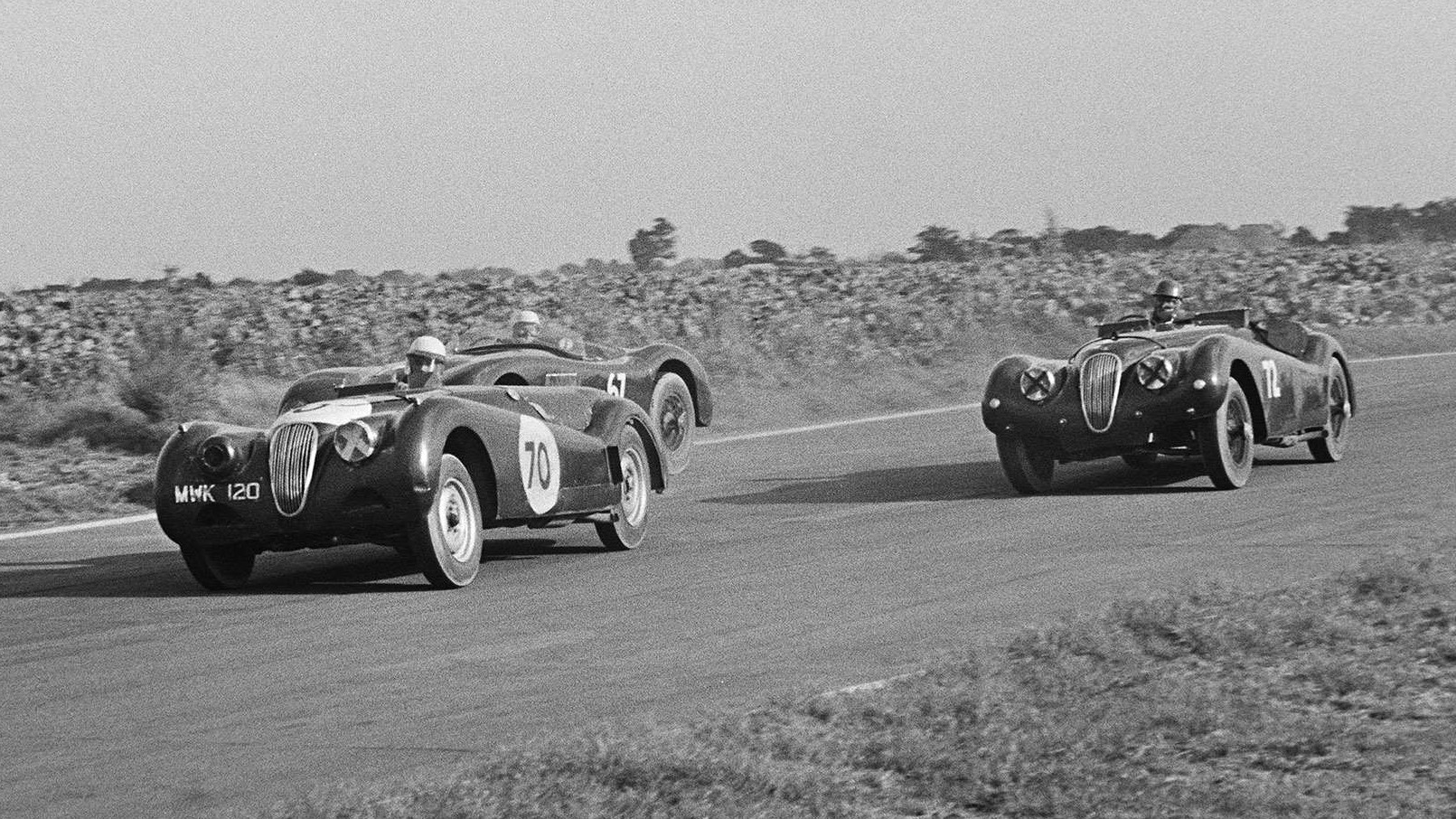
Jaguar XK120
While not the first Jaguar racing car, the XK120 was certainly a formative model for the marque. Mass produced between 1948-54, it was primarily a road-going sportscar, but plenty saw success in racing and rallying.
Powered by a 3.4-litre XK inline-six, it made various power outputs depending on the carburettors – from 162PS (119kW) with a double SU H6, to 223PS (164kW) with a double Weber.
Notably, three prototype XK120s took part in the 1949 Silverstone Production Car Race, with Leslie Johnson storming to victory despite a collision early on. Earlier that year, the winning car had achieved a record speed of 132.596 mph, earning the title of the fastest production car in the world.
Throughout 1950, the XK120 amassed numerous race wins, including a 1-2 finish at the inaugural Pebble Beach Cup, a 1-2-3 finish at the Dunrod Tourist Trophy (with Stirling Moss in the winning car) and wins at the Alpine Rally and Coupe des Alpes. Multiple XK120s also ran high positions at the Le Mans 24 Hours, the Targa Florio and Mille Miglia, with Johnson taking fifth place in the latter — an unheard-of feat for a production road car.
The wins kept on coming for various XK120s throughout the early ‘50s, including at Australia's first 24-hour race, the Mount Druitt 24 Hours Road Race in 1954, and the first NASCAR Grand National road race that same year.
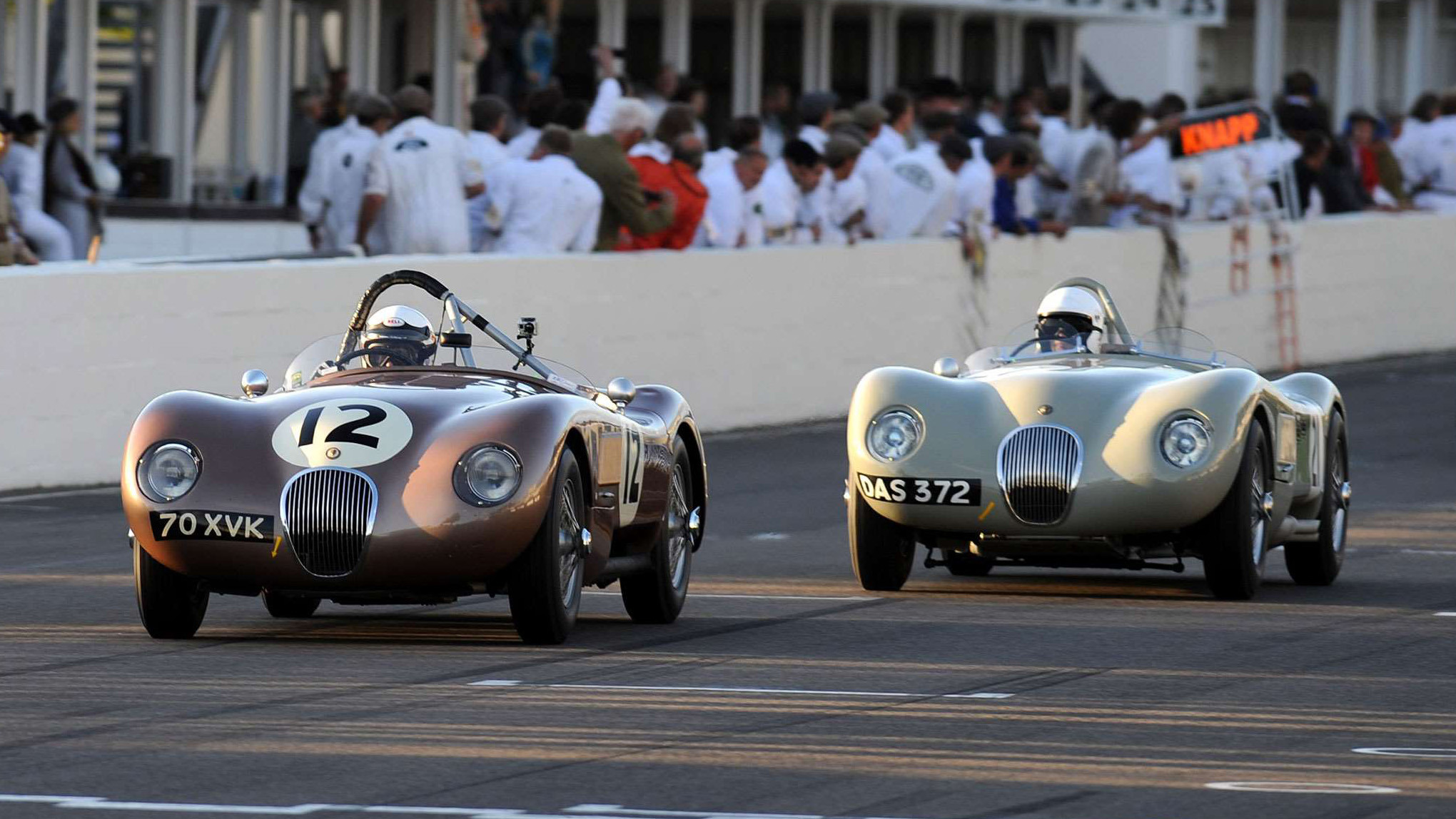
Jaguar C-Type
Almost 70 years ago, Jaguar debuted the C-Type. The C stood for ‘Competition’, which the car certainly brought to its races, winning Le Mans at its first attempt in 1951.
Built on the running gear and lightweight tubular frame of the road-going XK120, and powered by its 3.4-litre twin-cam, straight-six engine — tuned to make 208PS (153kW) — the C-Type wore a beautiful aerodynamic aluminium body.
In all, 53 C-Types were built between 1951-53, 43 of which were sold to private owners, while the factory contested the remainder in international races. Jaguar entered three into the 1951 Le Mans, driven by the pairings of Stirling Moss and Jack Fairman, Leslie Johnson and Clemente Biondetti, and Peter Walker and Peter Whitehead.
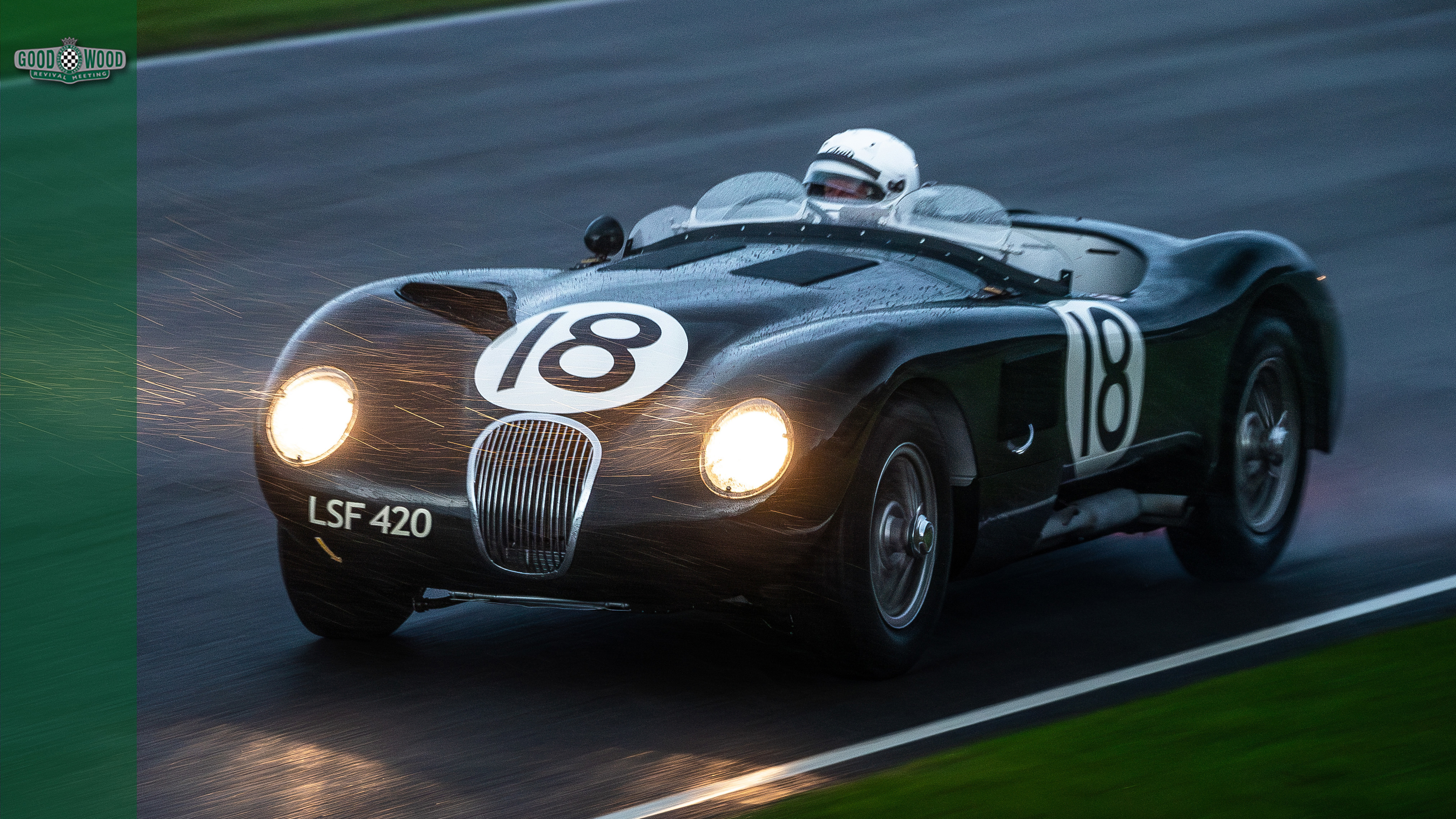
The former two duos were forced to retire from the race due to lack of oil pressure, but the Walker/Whitehead car went on to take a monumental victory. Factory engines were plagued by overheating problems in 1952, but Jaguar was back with a vengeance come the following year, with C-Types taking first, second and fourth places. That success was attributed to a lighter aluminium body, a rubber bag fuel tank, thinner steel on the chassis tubes and new triple-Weber carburettors, which boosted power to 223PS (164kW).
In the winning car, Duncan Hamilton and Tony Rolt achieved an average speed of 105.85mph, making history as the first winners to take the title with an average speed of more than 100mph.
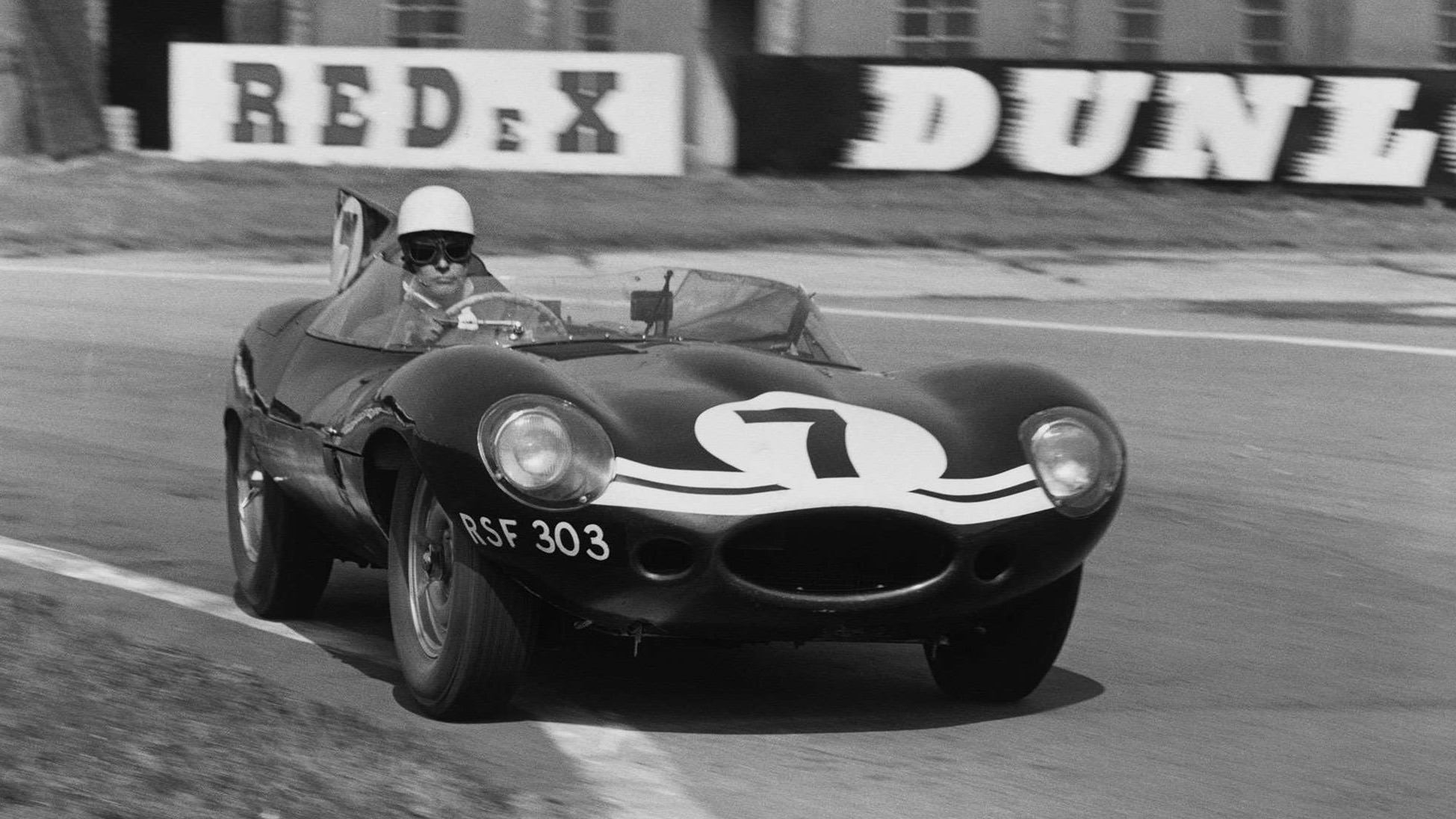
Jaguar D-Type
After the C came, logically, the D-Type. Designed with Le Mans firmly in its sights, the D-Type combined the successful straight-six XK engine with an innovative new monocoque construction and aeroplane-derived aerodynamics, including its now famous tail fin.
The D-Type was produced between 1954-57, a run which resulted in 18 factory cars and 53 customer cars. And at Le Mans, with various engine displacements depending on the rules of that year, it won in 1955, ‘56 and ’57. Notably, Jaguar drivers Mike Hawthorn and Ivor Bueb continued to win the ‘55 edition after the horrendous Mercedes crash which cost more than 80 lives.
Despite the factory team retiring and withdrawing from Le Mans in 1956, 1957 was the D-Type's most successful year, with 3.8-litre-engined D-Types achieving five of the top six places at Le Mans, while Scottish team Ecurie Ecosse took first and second.
With its team out of action, Jaguar sold 16 road-going D-Types as XKSS versions for production sports car races in America.
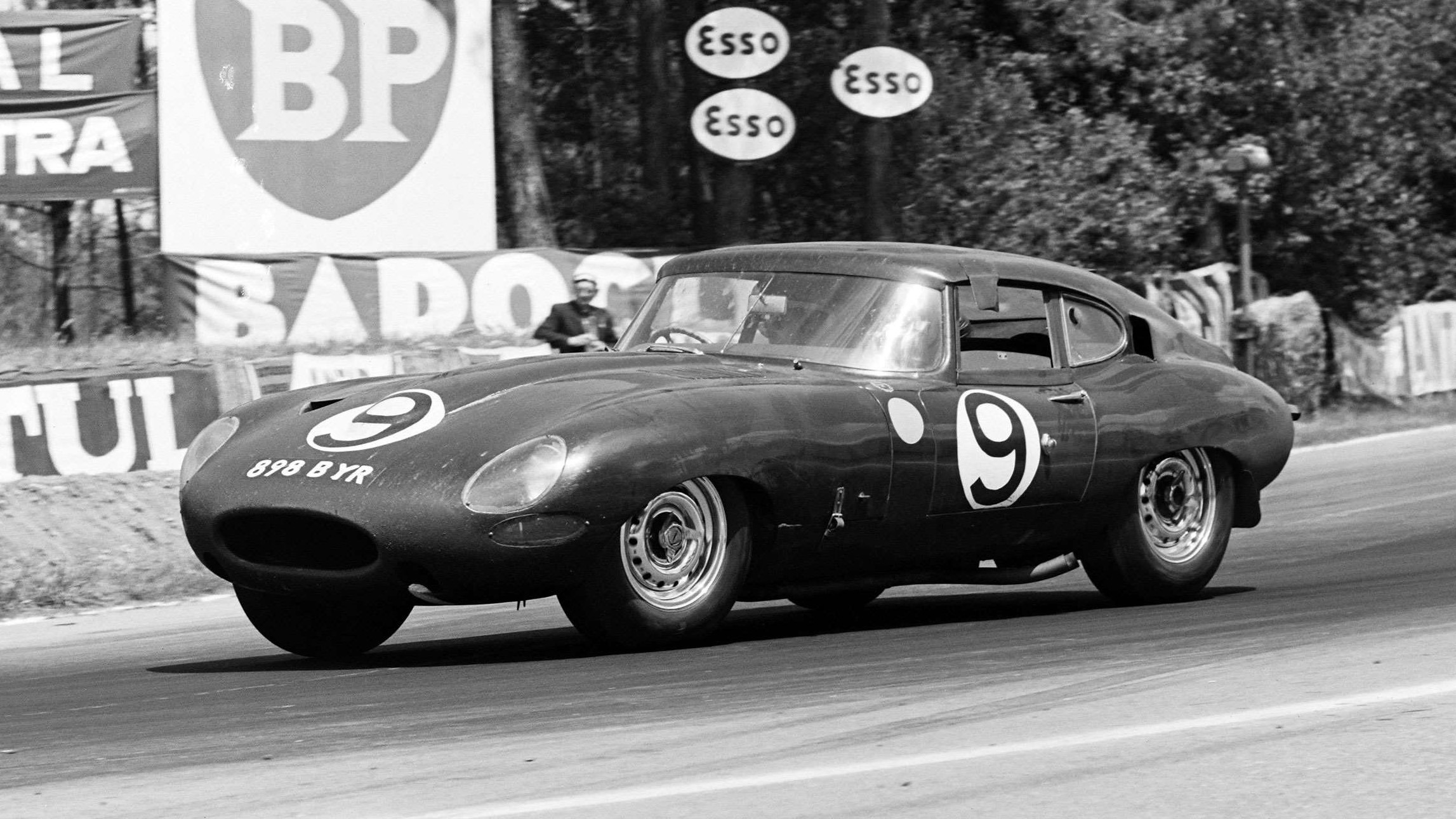
Jaguar E-Type Lightweight
Name a more iconic Jaguar than the Following the racing success of the standard road car, Jaguar decided to produce a limited run of with a full aluminium body and a race-spec near 300PS version of the 3.8-litre XK straight-six engine with triple Weber carburettors, a Lucas mechanical fuel injection system and either a four- or five-speed gearbox. Just 12 cars (plus two spare bodies) were built between 1963 and 1964.
While the cars did not see huge success in the hands of the manufacturer, like many on our list, they proved remarkably successful in private ownership and smaller races.
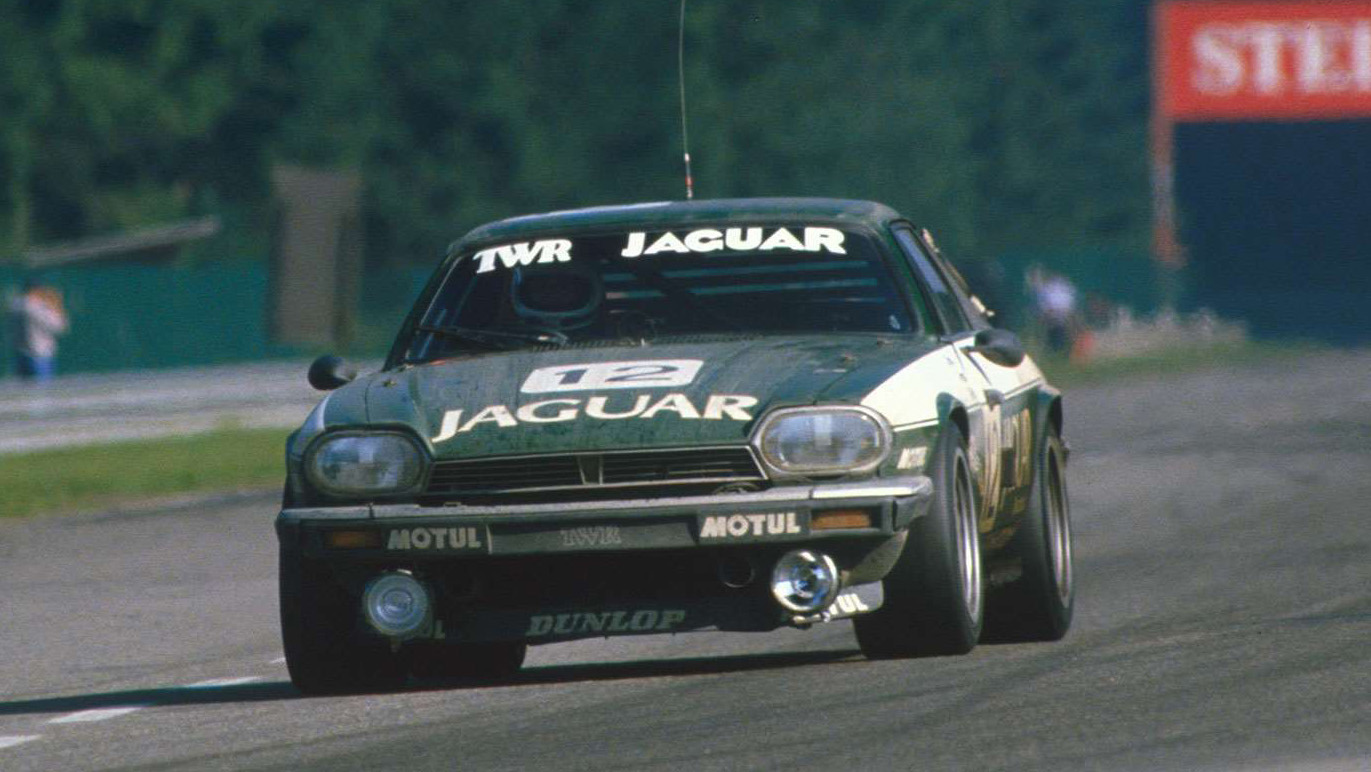
TWR Jaguar XJ-S
Unlike the other cars mentioned so far, the success of the XJ-S is not attributed to the manufacturer, but rather to Tom Walkinshaw Racing, who modified and contested Jaguar’s XJ-S in the European Touring Car Championship and James Hardie 1,000 series.
With success in the British and European Touring Car Championships and Dakar already to its name, from 1982-85 the team successfully contested Jaguar’s V12 GT car. In 1983, the team came second in the ETCC, before Walkinshaw himself took the Championship in 1984. That same year, the car of Walkinshaw, Win Percy and Hans Heyer won the Spa 24 Hours — Jaguar’s first 24-hour win since the 1957 Le Mans.
Three cars were entered into the 1985 James Hardie 1,000, with John Goss and Armin Hahne coming out on top ahead of Walkinshaw and Percy in third, though the final car failed to finish.
From 1986 onwards, the TWR team moved on to the World Sports Prototype Championship in the successive Jaguar XJ-R models…
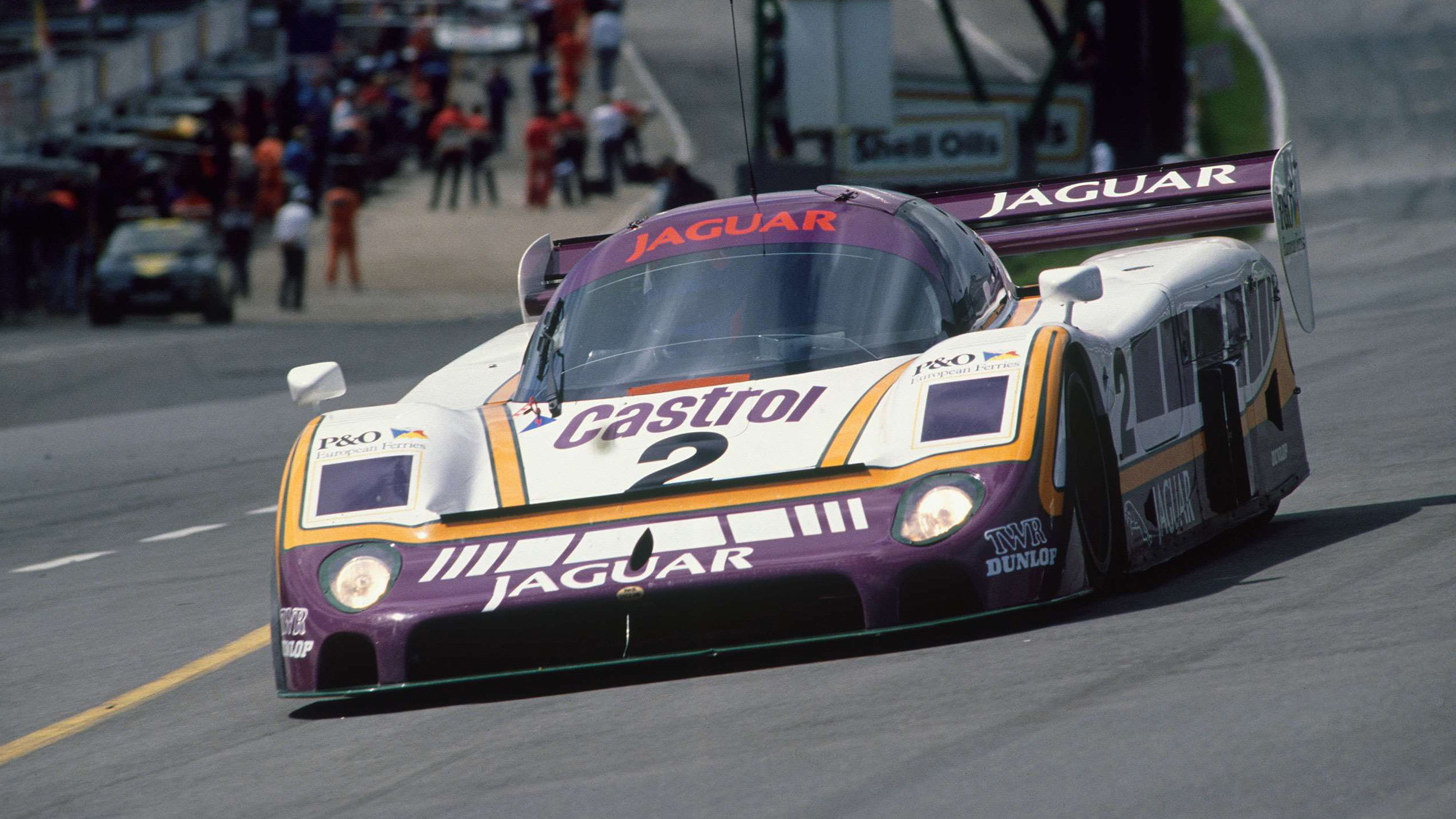
Jaguar XJR-9
Speaking of the XJR, fast forward to 1988, and the XJR-9 in the hands of the TWR team saw huge concurrent success in both the World Sports Prototype Championship and IMSA.
In the former, the V12-powered supercar was driven to victory at Le Mans by Andy Wallace, Jan Lammers and Johnny Dumfries, with Martin Brundle, Raul Boesel and John Nielsen matching the feat at the IMSA 24 Hours of Daytona.
Ultimately Brundle and Jaguar took the World Sports Prototype Championship Drivers’ and Manufacturers’ titles, while Nielsen finished second in the IMSA Driver's Championship, and Jaguar landed third in that year’s Manufacturer's Championship.
Jaguar XJR-12
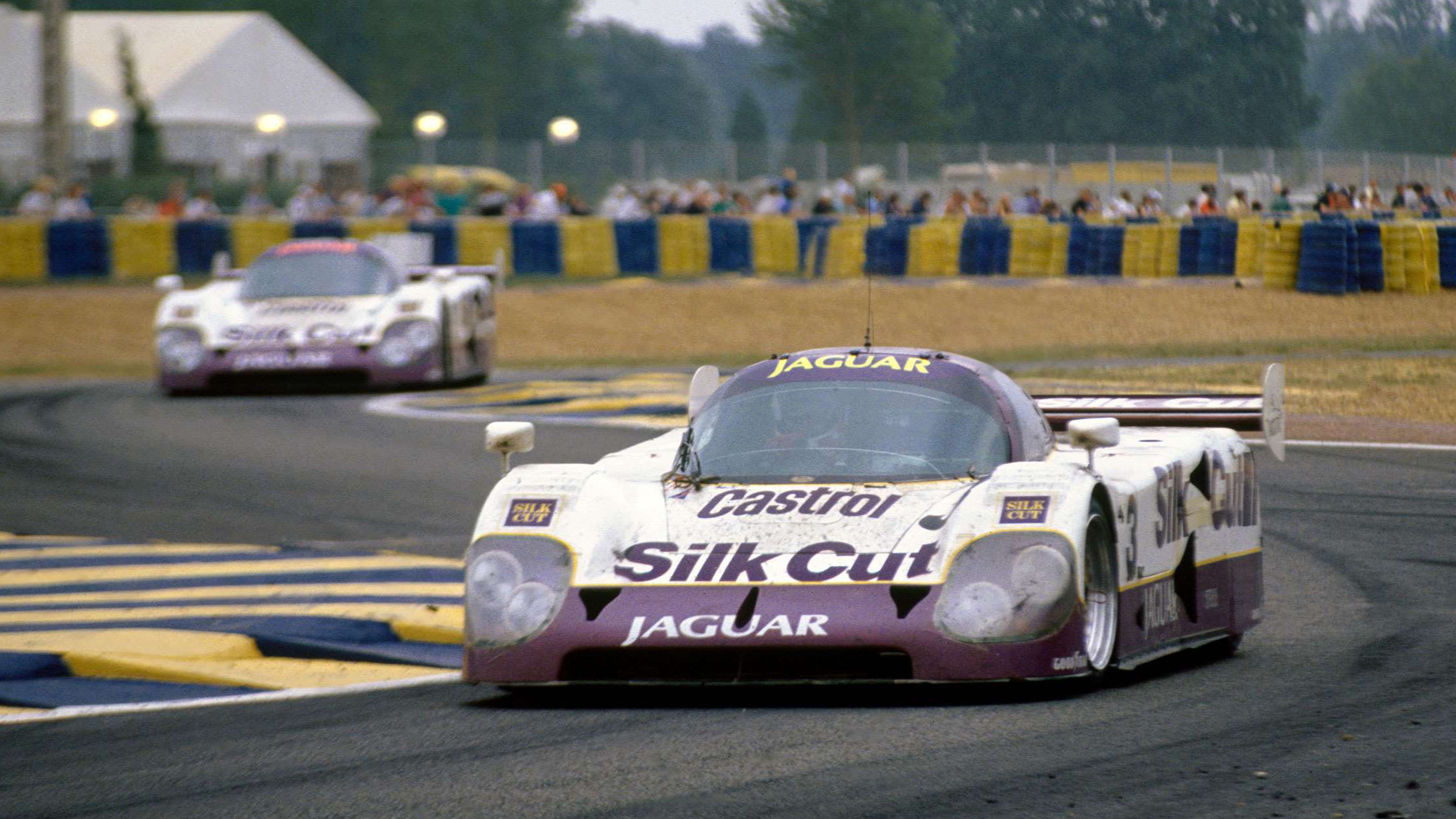
Another XJR, this time the 1990 edition, has made our list for its impressive 1-2 finish at the 1990 Le Mans, with Brundle, Nielsen and Price Cobb sharing the winning car.
Powered by a 740PS (544kW) 7.0-litre V12 and weighing just 900kg, the XJR-12’s power-to-weight ratio was insane; the Le Mans-winning car averaged 126.78mph with a recorded top speed of 219 mph.
Overall that season, the TWR team came second in the World Sports Prototype Championship Teams’ Championship, with Andy Wallace scooping a fourth place in the in Drivers’ Championship.
Jaguar XJR-14
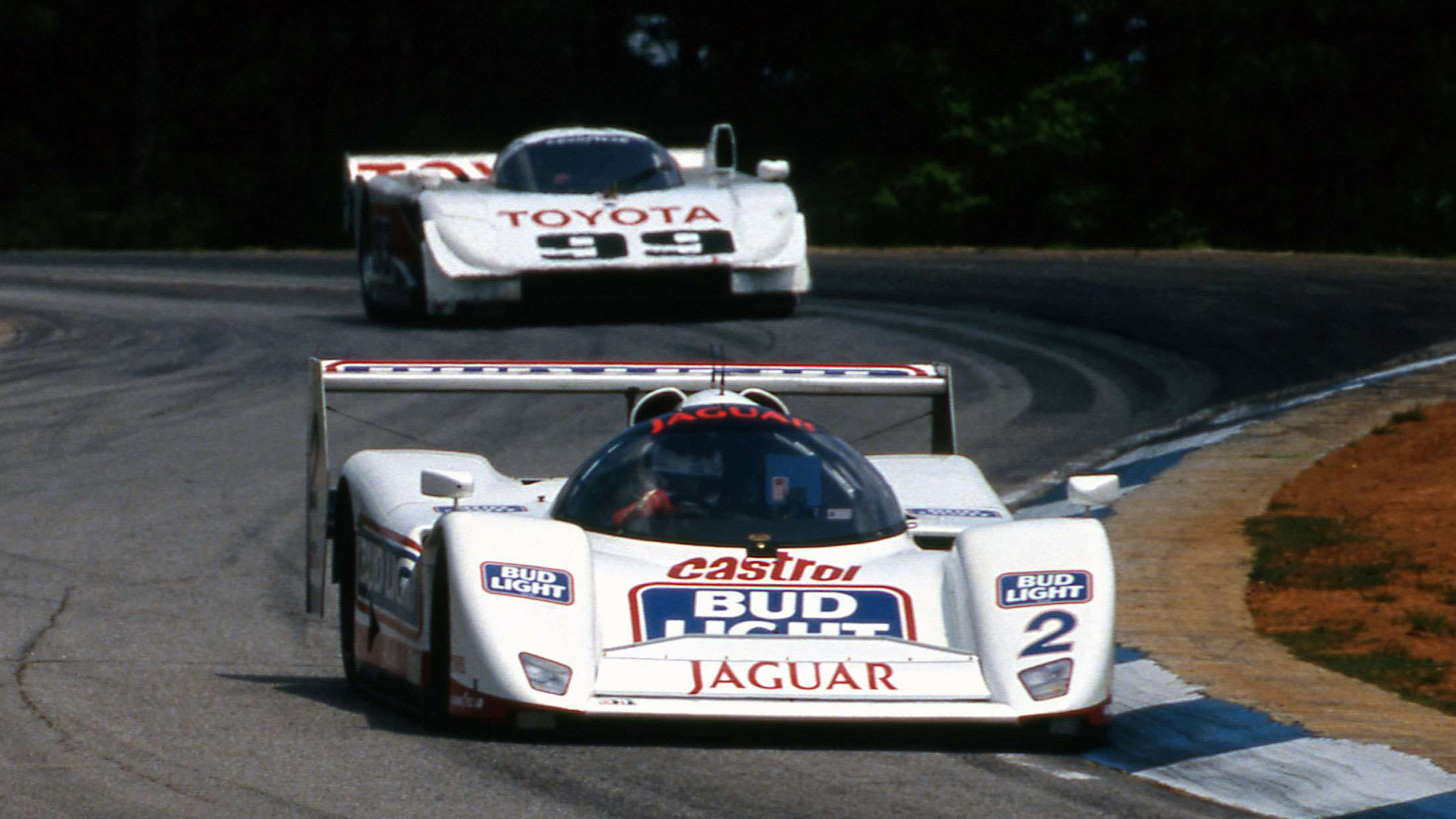
And finally for this list, one more evolution of the XJR and the XJR-14 responsible for bagging Jaguar and TWR both the Drivers’ and Teams’ titles in the 1991 Sportscar World Championship.
With the new 3.5-litre formula replacing the Group C category for 1991, Jaguar and TWR were faced with the task of creating a car to match their former success. Continuing the XJR lineage, the new car was designed by Ross Brawn and John Piper and once again built by TWR.
And as for the engine? Well, Jaguar leant on its connection with Ford and borrowed the 3.5-litre Ford HB V8 Formula 1, de-badged and detuned to make around 659PS (485kW).
Three units were contested in the 1991 Worlds Sportscar Championship, with the XJR-14 proving virtually unstoppable until it met Peugeot's new 905B. But the Silk Cut Jaguars endured to take both the Teams’ World Championship with three race wins, and first and second places in the Drivers’ World Championship awarded to Italian Teo Fabi and Brit Derek Warwick respectively.
Images courtesy of Getty Images.
The 84th Members' Meeting takes place on 10th and 11th April 2027. Tickets are now on sale to GRRC Members and Fellowship Members at the early bird price.
If you’re not already part of the GRRC, you can sign up to the Fellowship today to save ten per cent on your 2027 tickets and grandstand passes, as well as enjoying a whole host of other on-event perks.
race
historic
list
jaguar
TWR Jaguar
TWR celebration
xk120
C-type
D-Type
E-type
XJR-12
xjr-14
xjr-9
xj-s