
When Brawn GP shocked the world in testing
As we look forward to Jenson Button getting back behind the wheel of his Formula 1 World Championship-winning Brawn BGP001, we're thinking back to March 2009, when he and the team ashocked us all during pre-season testing.
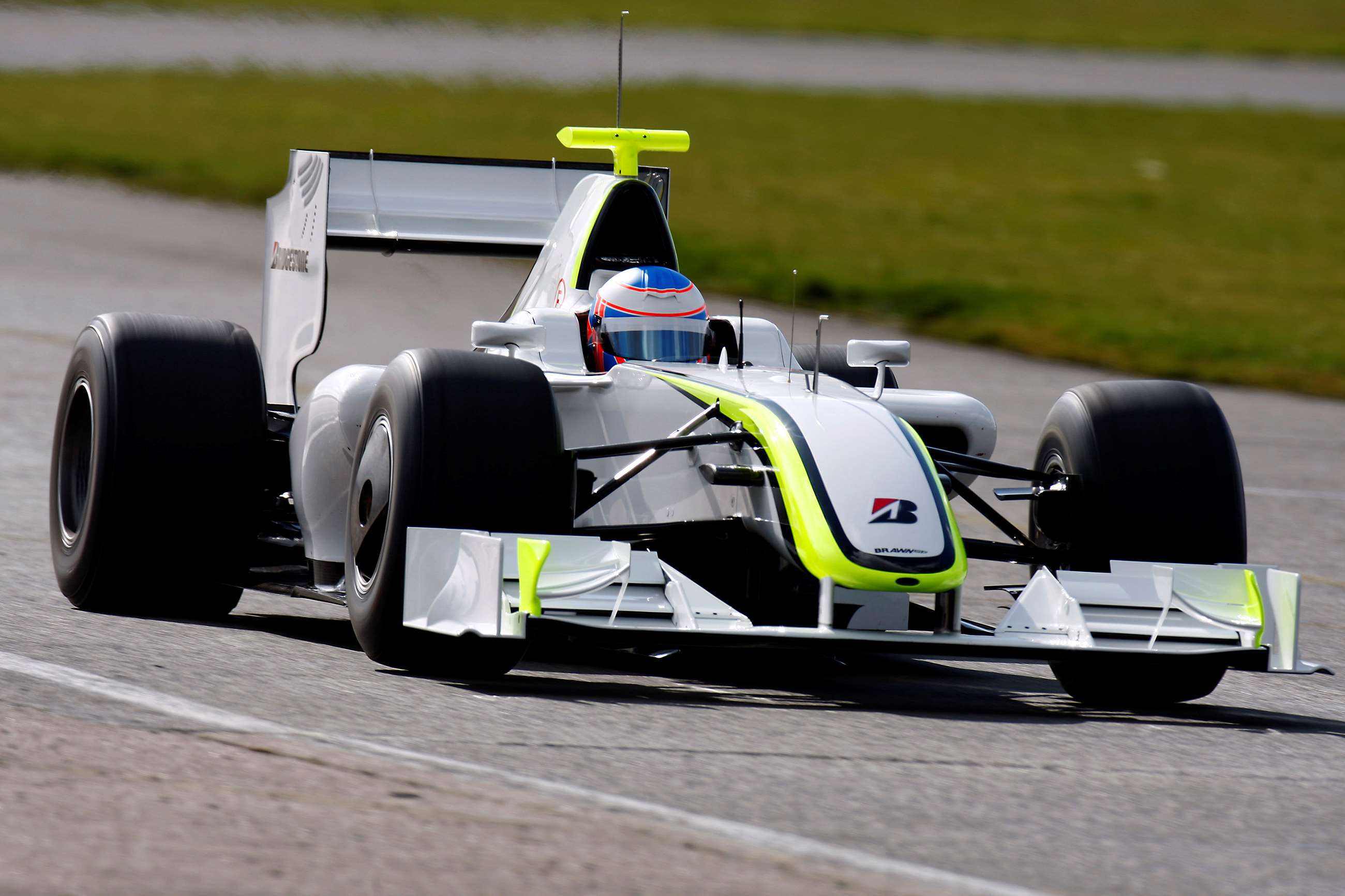
F1 pre-season testing is always a time of intrigue and discovery, as the new season gets up and running and the teams and drivers get their first chance to see their new cars in action. It's always an exciting period when we can begin to understand which teams are going to be at the front, and which are going to be struggling, but it doesn't always pan out in the way we expect.
Over the years F1's pre-season testing has thrown up some monumental shocks, none more eye-catching than what happened in 2009, when Brawn GP arrived out of nowhere and left the rest of the field standing, jaws on the floor and wondering what on earth had just hit them.
It's moments like that, and the many others that combine to tell one of the greatest stories in motorsport history, that we'll be celebrating when Jenson Button returns to the Brawn GP001 cockpit for a demonstration at the 83rd Members' Meeting presented by Audrain Motorsport.
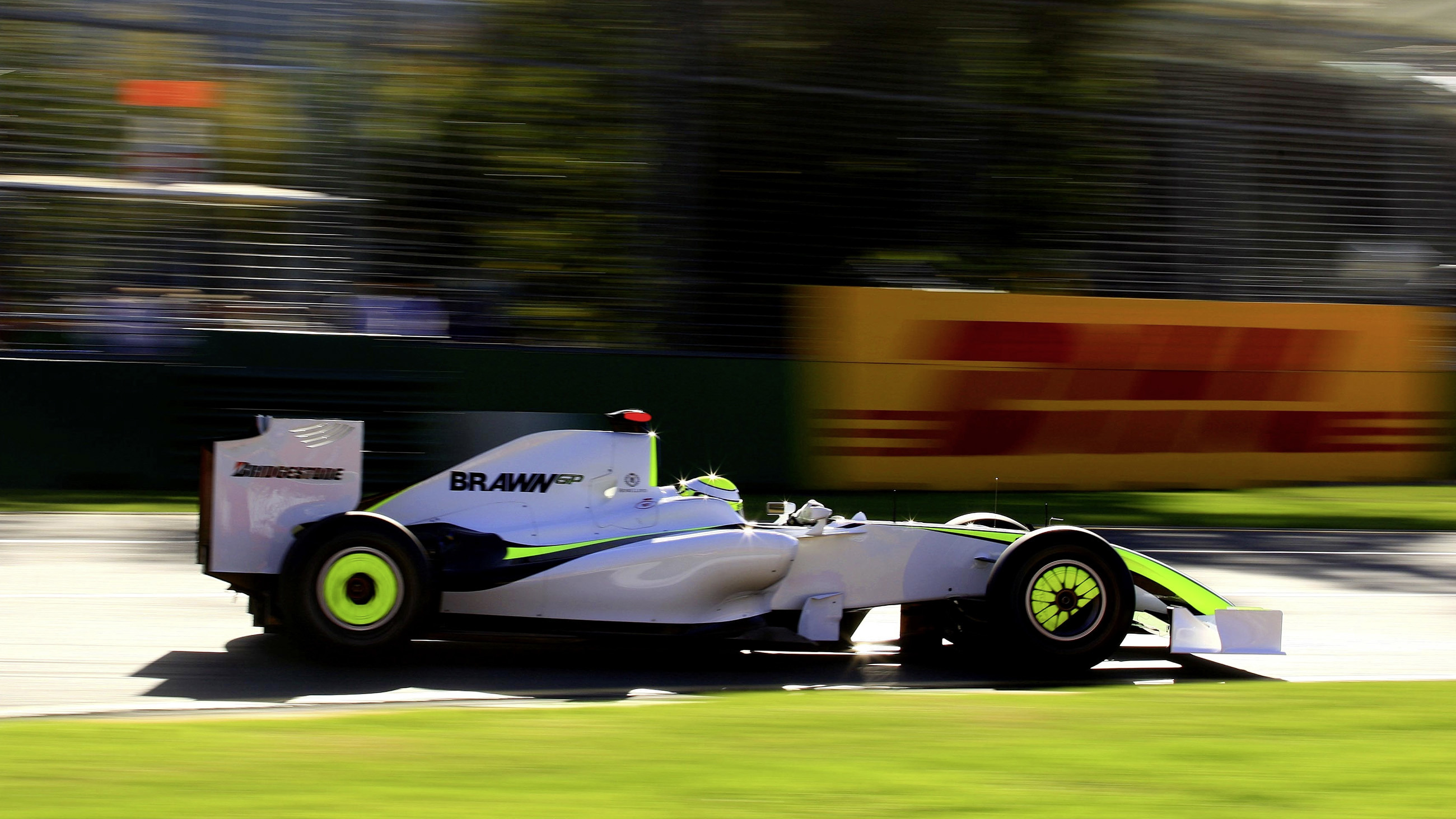
The Brawn GP story is possibly the most famous in F1’s modern history. Born from the ashes of the defunct Honda team, Ross Brawn stepped in to ensure the car that his team had spent the best part of a year developing for the 2009 season would see the light of day. He must have known it was going to be worth his while, because the winter break of 2008/09 was tumultuous for all involved.
Even the drivers, Jenson Button and Rubens Barichello, had both resigned themselves to a year on the sidelines.
Brawn's eventual takeover began to gather pace at the beginning of March, but it wasn’t until 17th March 2009, after pre-season testing was already complete, that his team was officially renamed as Brawn GP.
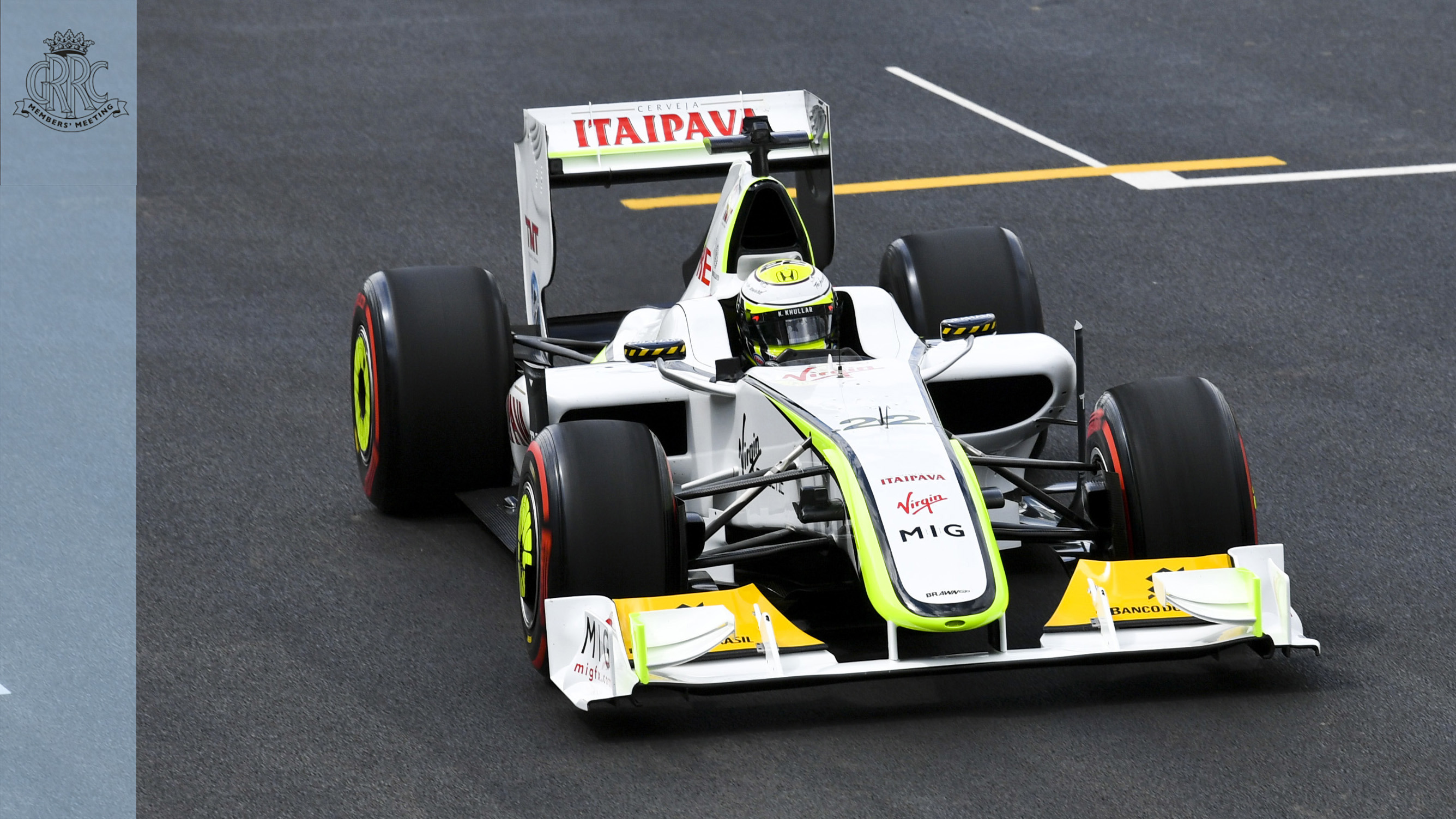
So it was the as-yet-unnamed outfit that arrived in Jerez, with makeshift uniforms and a barely finished car, to orchestrate the greatest pre-season testing shock of all time.
Honda had finished ninth in the Constructors’ Championship in 2008 having struggled with a fundamentally slow car, so it was difficult to know what to expect when the ashes of that team arrived for the first test in Bahrain.
What nobody expected, was for Brawn GP to turn up and immediately set a lap time more than a second quicker than the rest of the field. As we'll see further down this list, some teams have run with next to no fuel in the car to simulate a quick lap time, but this was different.
This was the opening chapter of a fairytale that shocked the world, and Brawn GP went on to complete one of the greatest World Championship triumphs of all time.
Keep reading to find out about some more great shocks from F1 pre-season testing.
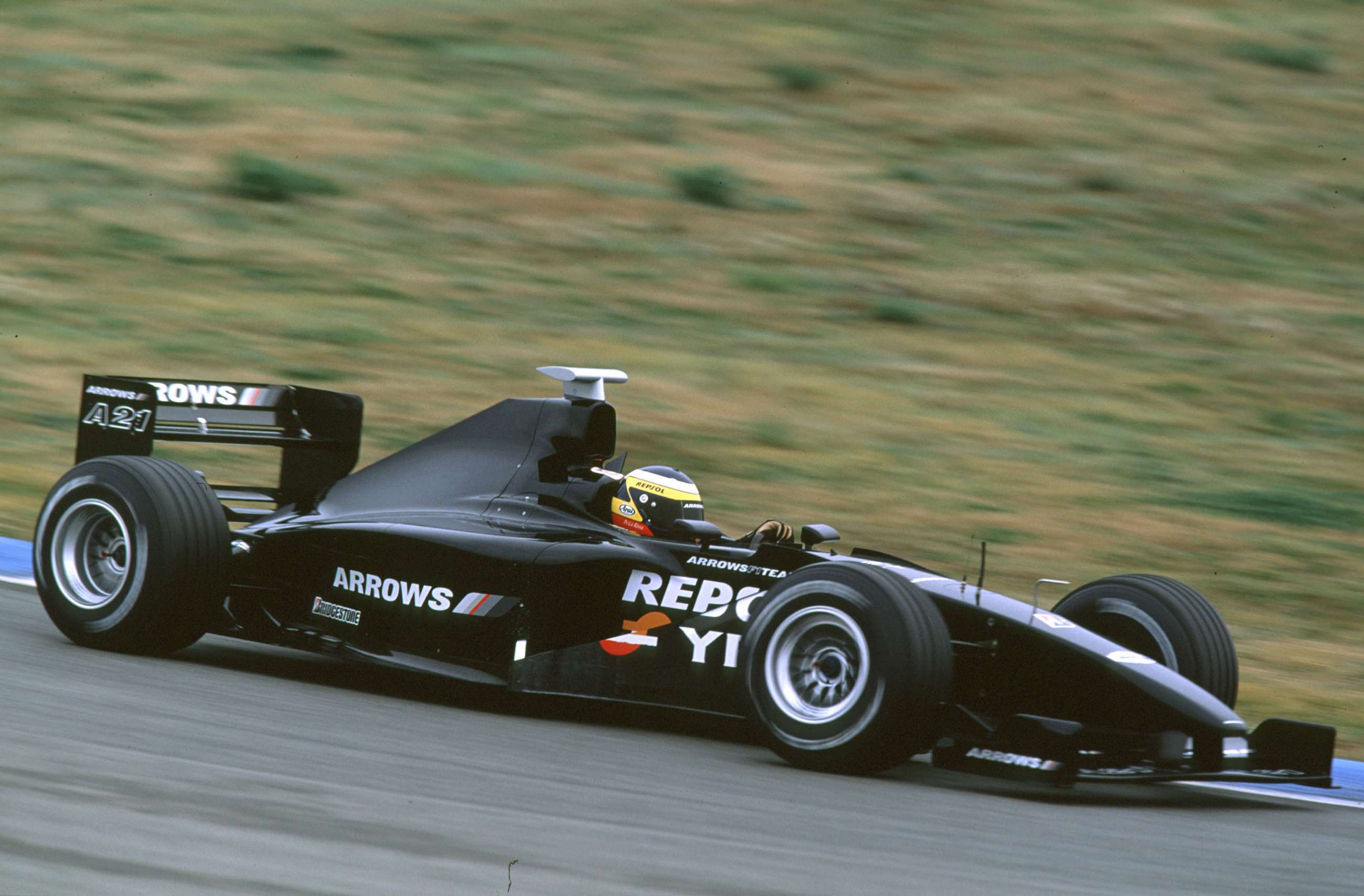
6. Arrows (2000)
Arrows was a perennial backmarker during its 20-year-plus tenancy in F1. It never won a race, never even set a fastest lap, and sat on pole position just once at the 1981 US Grand Prix West. So when Arrows showed up at Barcelona ahead of the 2000 F1 season and broke the lap record, everyone was a little bit flabbergasted. Would this team, that had been securely fastened to the back of the grid, really be challenging for race wins?
Unfortunately, it turned out to be something of a ploy from Arrows to nail down a big sponsorship deal. The eye-catching performance was due to a comprehensive weight-saving exercise whereby the team sent the car out with next to no fuel, setting a blistering lap time and writing some headlines in the process.
The results were similarly eye-catching in one respect, the Orange sponsorship certainly drew some attention, but Arrows’ performance over the 2000 season was pretty lacklustre in comparison to that opening test.
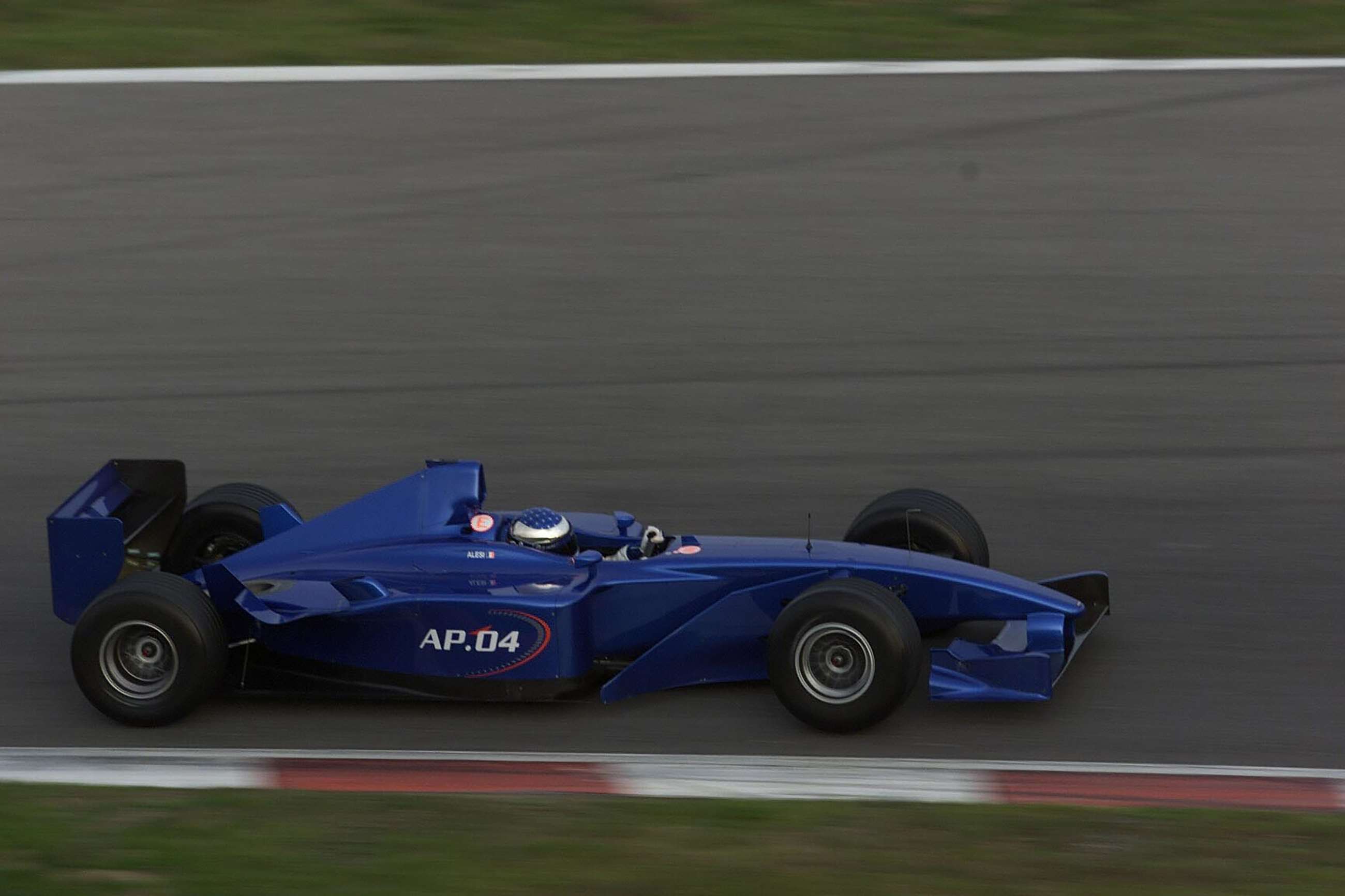
5. Prost (2001)
Alain Prost’s time as a team owner was a stark contrast to his illustrious career as a driver. The Prost project never really got off the ground during its five-year tenure. The early promise shown by Olivier Panis before his crash in Canada was eventually overshadowed by a distinct lack of pace. A list of drivers that included Jarno Trulli, Jean Alesi and Nick Heidfeld ought to have been capable of dragging some performance out of the car, but none were able to on a consistent basis.
It was clear Prost was on the verge of collapse by the end of the 2000 season. The team scored no points, and Peugeot withdrew its support. But there looked to be a rebirth on the cards when, powered by year-old Acer-badged Ferrari engines, Prost were the team under the spotlight in pre-season testing for 2001.
Jean Alesi was the main man, and he kept going fast. We’ve already said it can be quite difficult to draw conclusions in testing, but the Prost kept finding itself at or near the top of the timing sheets. Was this to be the year when the great Prost name returned to the top step of the podium? Well no. All of that early promise was ultimately misleading, and 2001 proved to be the team’s final F1 season.
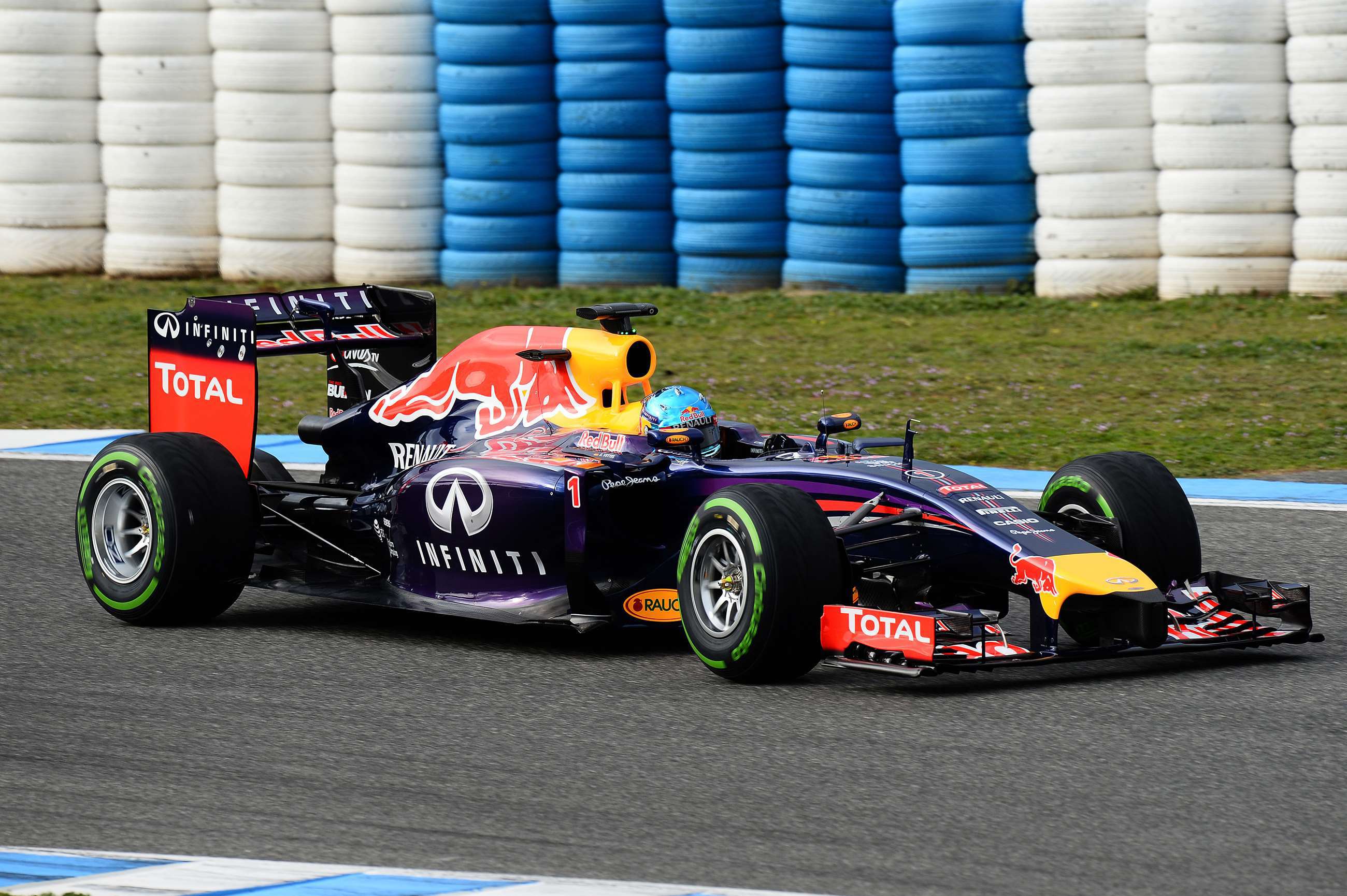
3. Red Bull-Renault (2014)
As we’ve gathered from these first three entries, pre-season testing in F1 is often headlined by a shock presentation of unexpected speed. There have been a few occasions where the opposite is true. Red Bull were the dominant force in F1 from 2010-2013, sweeping every single championship in a period of dominance on a par with that of Ferrari a decade earlier.
Red Bull had been so far ahead of the rest in 2013 that the suggestion that anyone could possibly challenge was laughable. The 2014 season did however throw a substantial curveball into the mix, and it proved to be the cause Red Bull’s startling downfall.
The introduction of the new V6 hybrid engines was a huge step for the sport and its teams, a massive technical undertaking that required substantial investment and research. Such complex devices were sure to have teething problems, but no team struggled more than Red Bull with its Renault powertrains.
There was an overriding theme during the three tests: a series of stoppages, which more often than not were caused by a Red Bull breaking down on track. The Renault engine proved to be horribly unreliable, with severe problems that also hindered performance. Fortunately for Red Bull, those testing struggles appeared worse than they would ultimately prove to be. The team still managed to finish second in the constructors’ championship, albeit almost 300 points behind F1’s new dominant team: Mercedes.
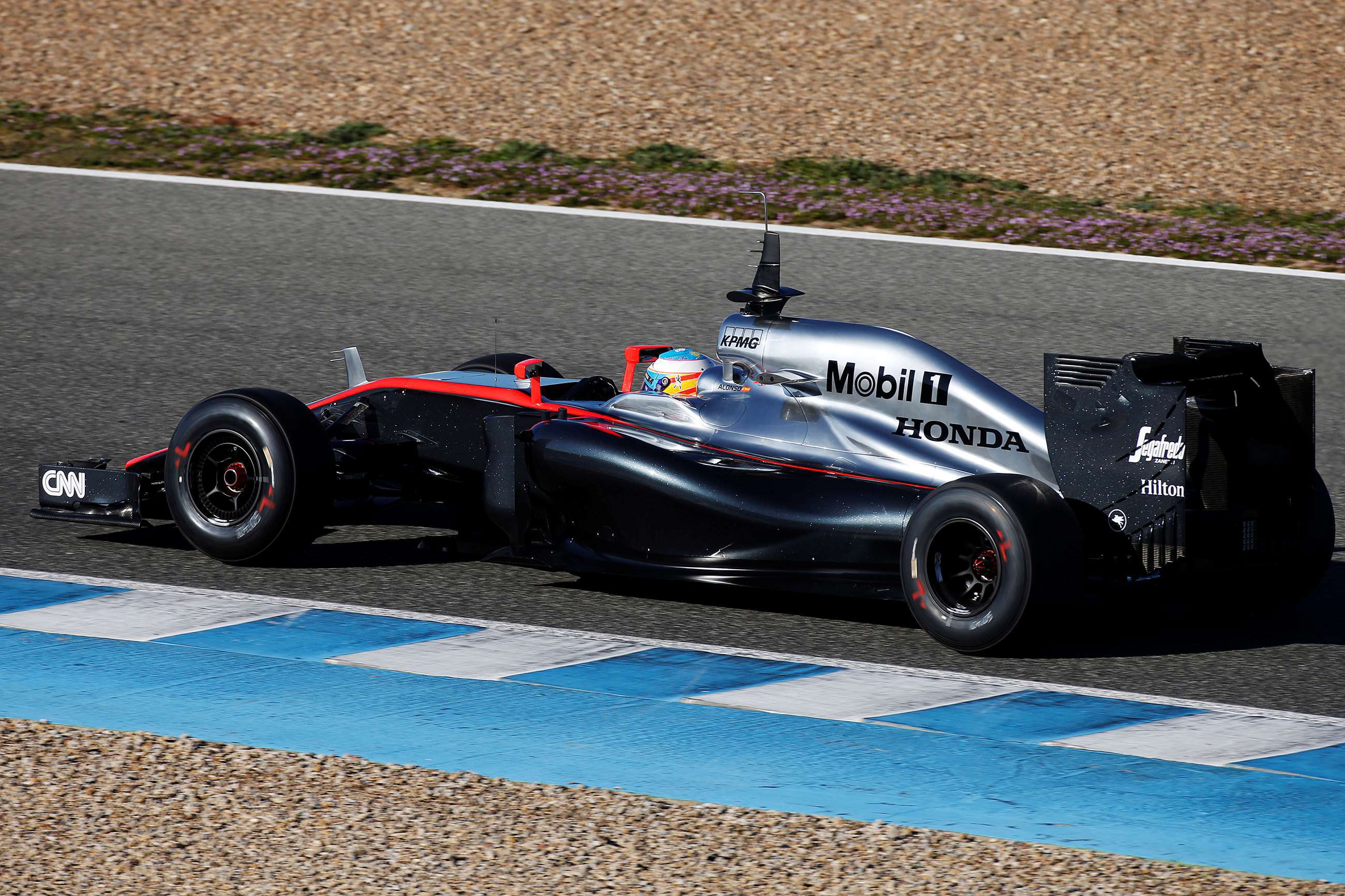
2. McLaren-Honda (2015)
McLaren rode into the 2015 season on a huge wave of optimism accompanied by the return of Honda as its engine partner. The thought on everybody’s mind was a return to the previous McLaren-Honda era of the late 1980s, which was some of the team’s most successful ever periods. Talk of the dominant MP4/4 was of course rampant.
The reality of McLaren’s performance in pre-season testing for the 2015 season could not have been further from those memories. Much like Red Bull and Renault the year before, the Honda power unit proved to be a long way from McLaren was hoping it would be. The car struggled with constant reliability issues, lacklustre performance, and a general sense of deflation that continued into the season proper. It was evident that this McLaren-Honda partnership had been the subject of an enormous investment from both parties, so to see it fall utterly flat was not at all what anyone was expecting.
This partnership never really recovered from that initial disaster, and three years of terse interviews and driver frustration dominated what was a hugely disappointing period for both parties. Honda have of course gone on to succeed with Red Bull in the years since.
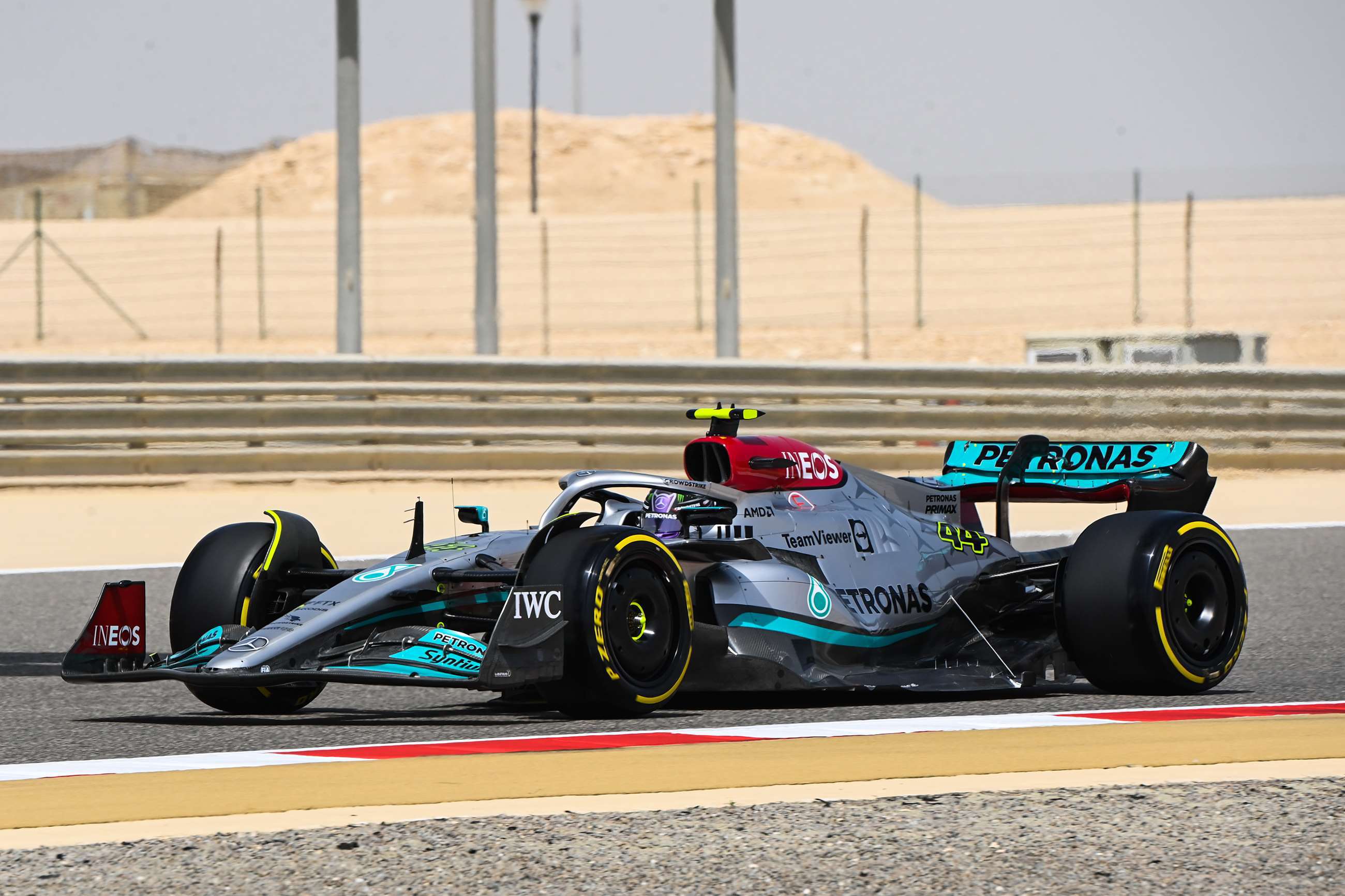
1. Mercedes-AMG F1 (2022)
Much like Red Bull in 2014, Mercedes had enjoyed an extended period of dominance throughout the hybrid era. The team’s overall package of car and power unit was far superior to anything else, and it had taken an extraordinary season in 2021 to wrestle Mercedes’ iron grip away from F1’s championship trophies.
The 2022 season again saw a radical overhaul of the regulations, but this time saw the introduction of ground-effect cars. It was a huge jump in philosophy for all of the teams, but it was Mercedes that turned up to pre-season testing with the most intriguing no-sidepod design.
It didn’t take long for the realisation to occur that perhaps the team’s ambition had been taken a few steps too far. While many teams struggled with ‘porpoising’ a side-effect of the new regulations, the Mercedes car was by far the worst. It translated into a huge drop-off in performance that saw the team reduced to a bit-part role for much of the year.
Despite producing what was widely considered its worst car in almost a decade, Mercedes still managed to scrape together a number of podium finishes and a single win for George Russell in Brazil.
Images courtesy of Motorsport Images.
List
F1
Formula 1
F1 2023
Arrows
Prost
Brawn GP
Red Bull
McLaren
Mercedes
Honda
Renault
Pre-season testing
jenson button



Subscribe to Goodwood Road & Racing
Thank you, you’re now subscribed

How many hay bales are used at FOS?
For the last two years, 5,800 bales have been recylced into the biomass energy centre to be used for energy generation