

How Hollywood immortalised Italy’s golden era of motorsport
When director Henry Hathaway rolled his cameras into the sun-drenched pit lane of the Monaco Grand Prix in 1954, he wasn't just filming a movie, he was capturing history in real time. A brief, smiling cameo by two-time World Champion Alberto Ascari, casually chatting in the paddock, encapsulated the intoxicating essence of a golden era of Italian motorsport.
That same spirit is at the heart of the 2026 Goodwood Revival presented by Dunlop, as our ‘La Dolce Vita’ theme weaves its way through all aspects of the event. Two monumental Hollywood productions had a similar impact on unassuming audiences, as tales of racing drama and personal tragedy blurred the lines between reality and fiction.
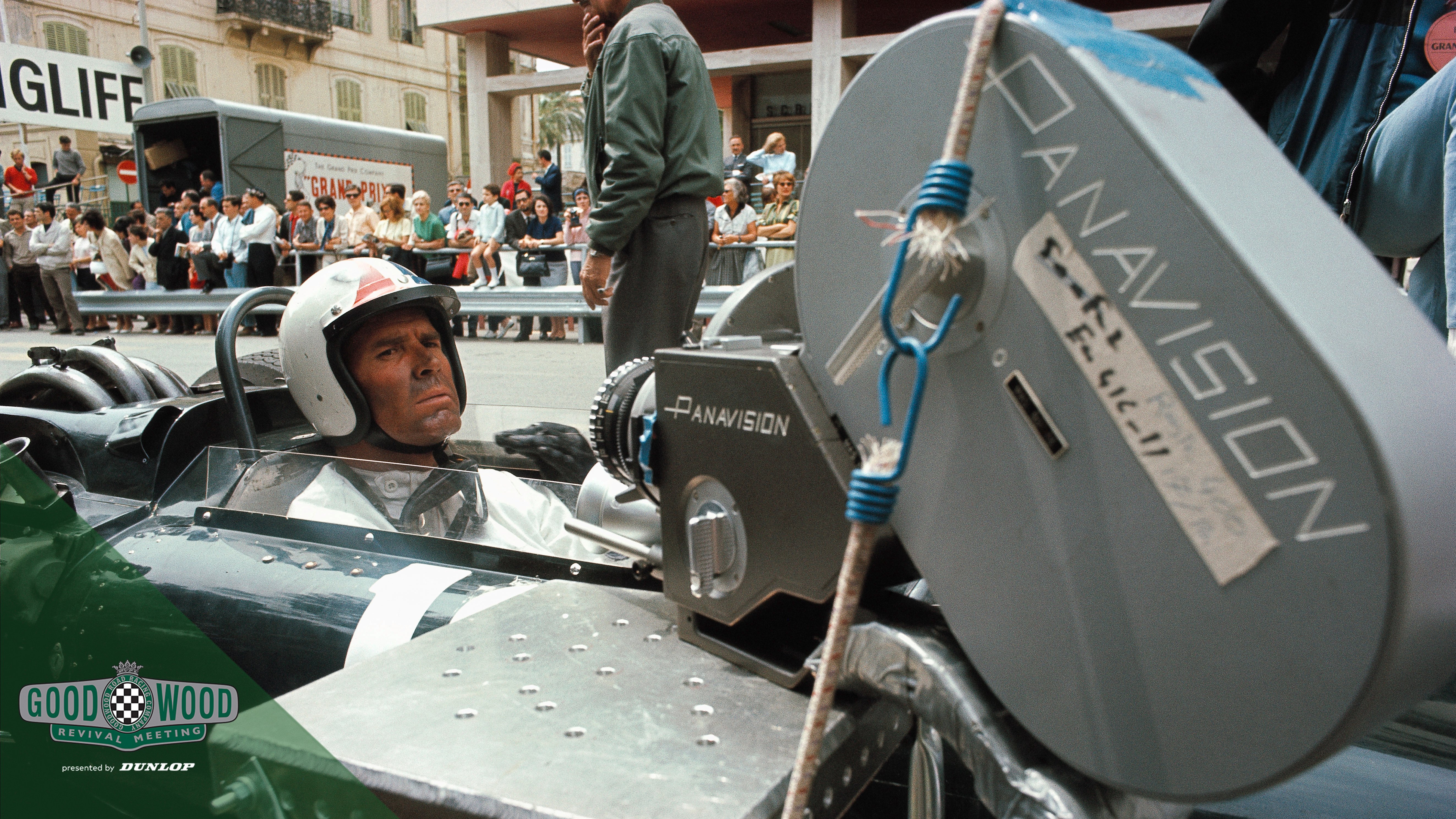
Ascari's fleeting appearance was far from a flash-in-the-pan media stunt. It marked the beginning of a unique decade where the American film industry embedded itself directly into European paddocks, relying heavily on Italy's racing icons to legitimise its high-stakes dramas.
Hathaway's 1955 film The Racers and John Frankenheimer’s Academy Award-winning masterpiece, Grand Prix from 1966 both actively co-opted real racing calendars, running high-speed camera cars alongside active grids to capture the visceral danger of the track. The directors forced their camera cars directly into live Grand Prix weekends, chasing the epicentre of authenticity that inspired their vision.
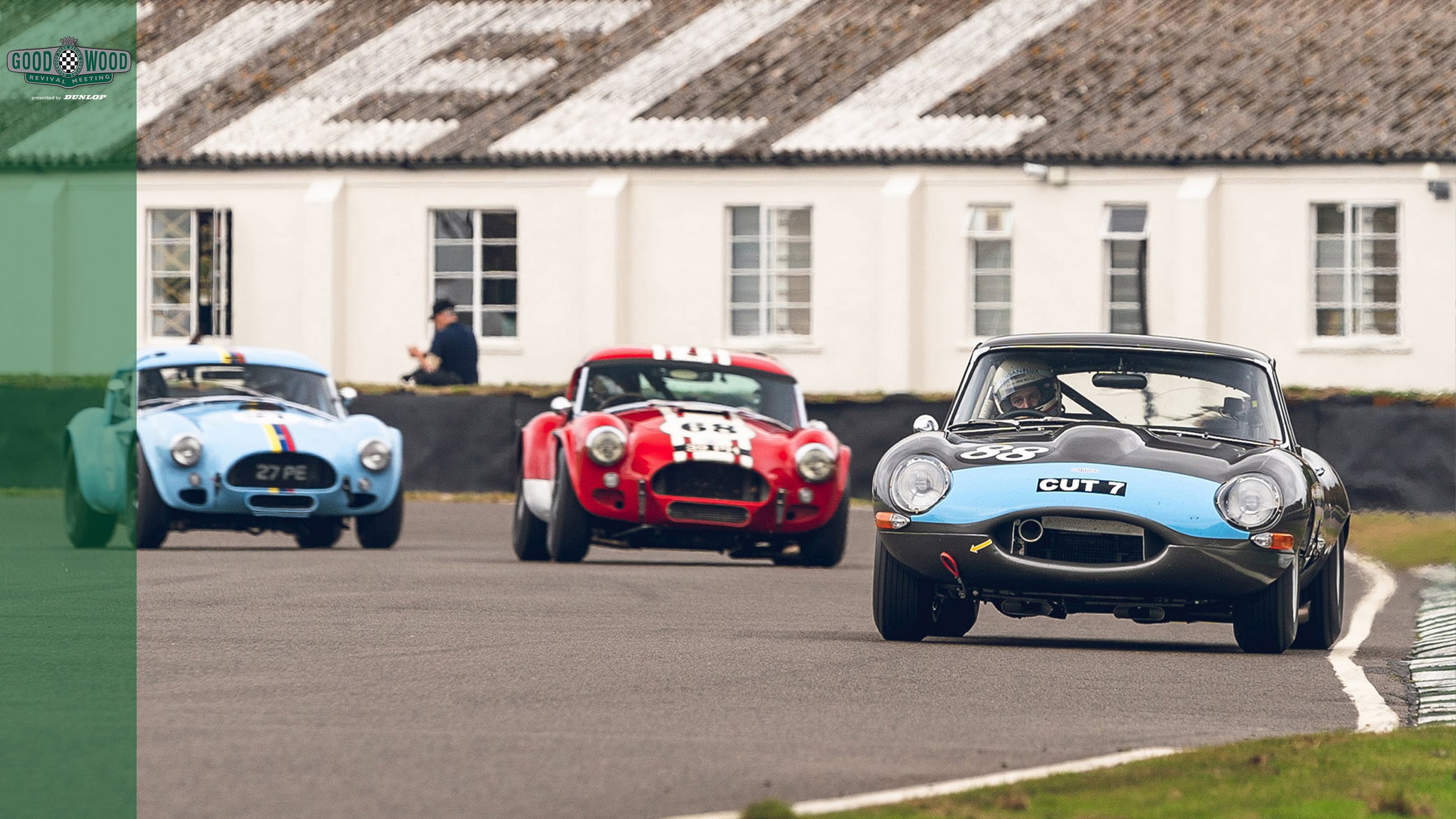
Before this era, racing was largely a distant sport captured in grainy, black-and-white newspaper prints or brief theatrical newsreels. Frankenheimer’s revolutionary use of multi-panel split-screens, innovative onboard cockpit cameras and visceral audio design threw the public into the driver’s seat for the first time, igniting a global, mainstream fascination with the speed and style of F1.
And for elite drivers like Ascari, Eugenio Castellotti, Piero Taruffi and Lorenzo Bandini, this crossover went far deeper than uncredited cameos; they became the technical architects, the style templates and the tragic muses for the characters on screen, immortalising a lethal generation right at the peak of their powers.
The Racers, starring Kirk Douglas as the fictional driver Gino Borgesa, served as Hollywood's first major love letter to Formula 1. Douglas’s character deeply mirrored the charismatic Eugenio Castellotti, his high-society lifestyle and tragic allure.
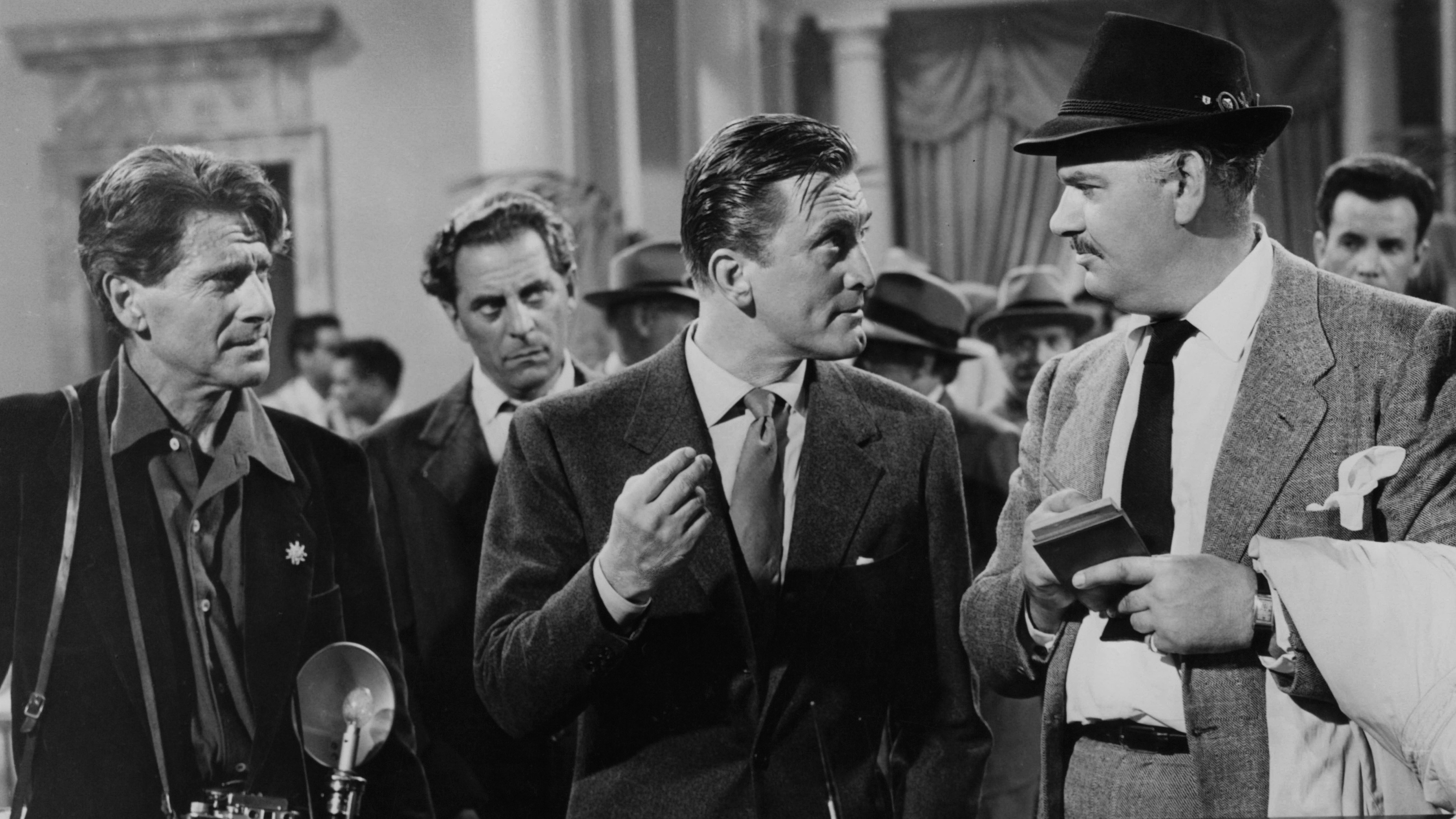
Kirk Douglas starred as racing driver Gino Borgesa in 'The Racers'.
Image credit: Getty ImagesNicknamed ‘Il Bello’, meaning ‘the beautiful’, Castellotti was the ultimate Hollywood archetype: independently wealthy, stunningly handsome and famously romantic with the glamorous Italian actress Delia Scala.
And while Castellotti provided the aesthetic blueprint for Hollywood’s romanticised driver, it was Piero Taruffi who lent the production its genuine credibility. Known as ‘Il Volpe d'Argento’ — the Silver Fox — Taruffi possessed a unique duality as both a brilliant industrial engineer and an elite racer.
On the set of The Racers his presence transcended a simple advisory role; he provided vital technical authenticity to the crew, working closely with the filmmakers to ensure the high-speed sequences maintained a rigorous sense of realism. Such direct insight from an active racing driver gave unprecedented accuracy to the film, transforming the audience’s perspective of drivers from reckless daredevils to craftsmen of speed.
These drivers were icons of style, and they brought they brought the perilous world of European road racing straight to a mainstream American audience largely unaware of its existence.
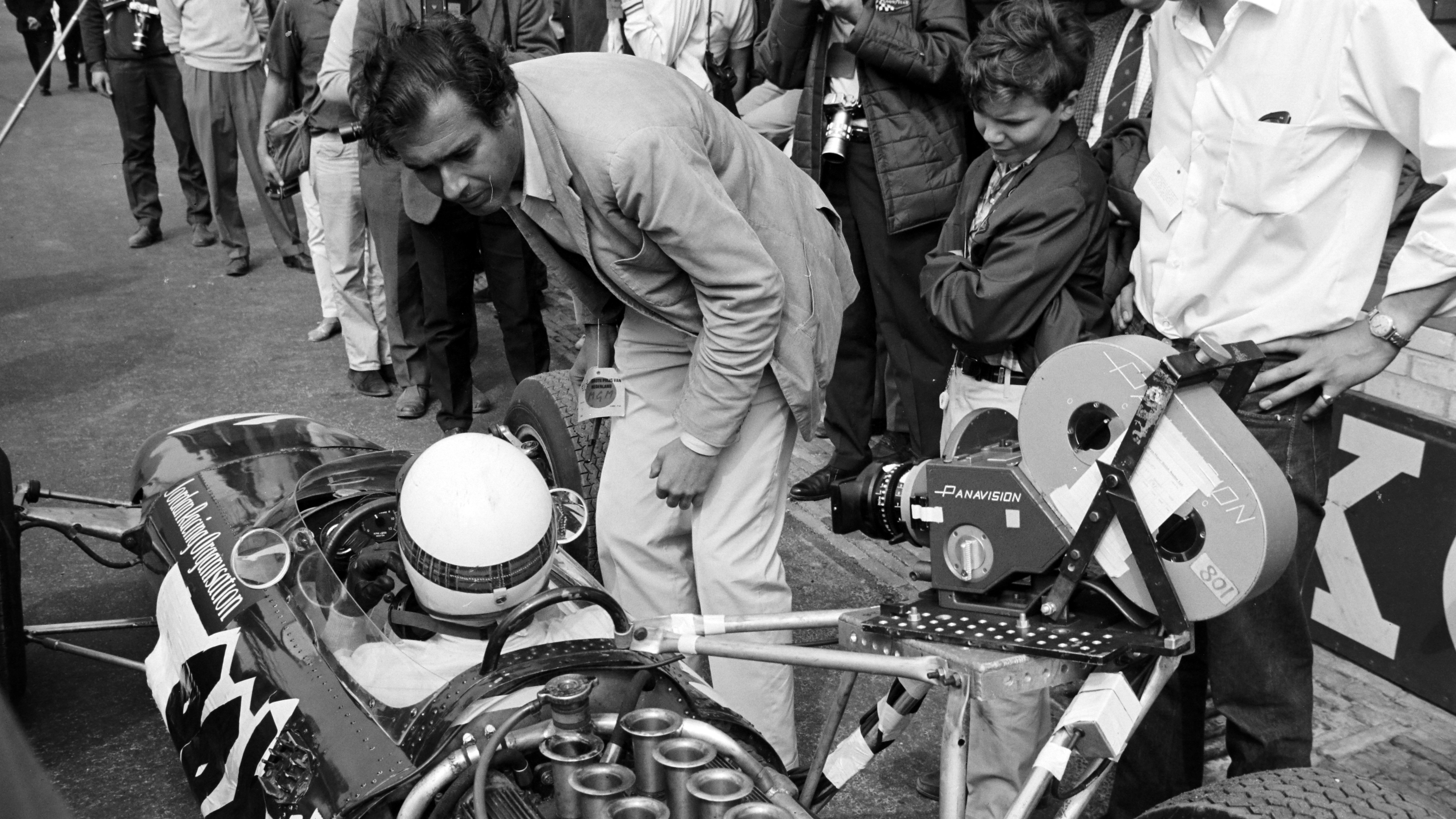
'Grand Prix' director John Frankenheimer talks with Phil Hill at the 1966 Dutch Grand Prix.
Image credit: Getty ImagesA decade later, Hollywood’s fascination reached its zenith with Frankenheimer’s Grand Prix, a fictionalised version of the 1966 F1 season that succeeded largely because it managed to capture the very heart of Italian racing: Scuderia Ferrari. Initially, Enzo Ferrari was deeply sceptical of Hollywood, flatly refusing to cooperate or allow his brand to be cheapened by association with a fictional script.
The turning point came when Frankenheimer showed Ferrari 30 minutes of raw footage captured at Monaco using groundbreaking onboard cameras. Blown away by the speed and technical realism, Il Commendatore granted the crew unprecedented access to the Maranello factory and active pit lanes.
The characters of Grand Prix were thinly veiled composites for the era’s real-life icons, Jean-Pierre Sarti, the film’s lead played by Yves Montand, suffers a fraught relationship with the Ferrari team boss that mirrored the explosive, real-life split between World Champion John Surtees and Enzo Ferrari just months before the film's release.
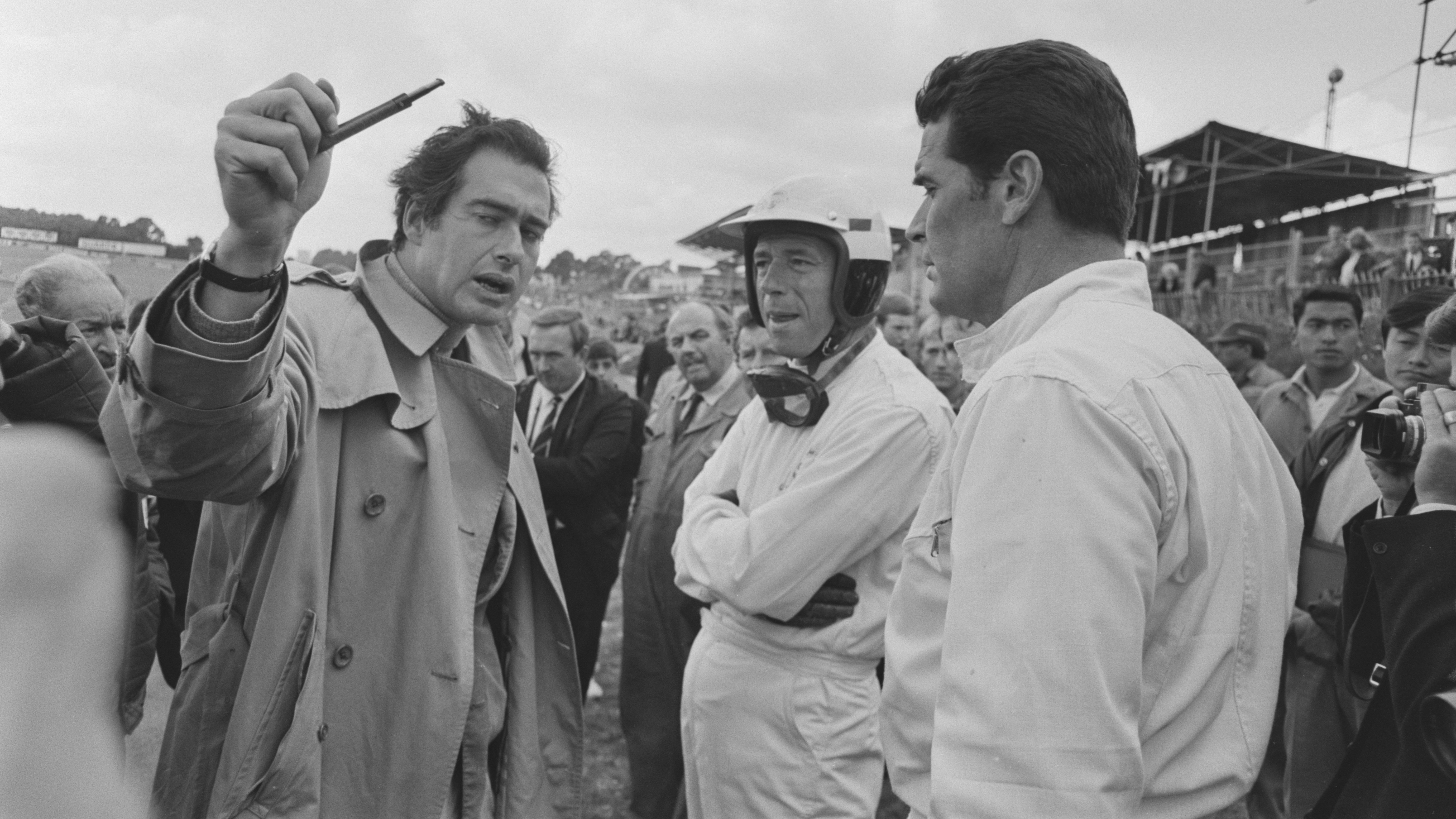
On location at Brands Hatch days after the British Grand Prix, Frankenheimer talks to actors Yves Montand and James Garner, July 1966.
Image credit: Getty ImagesMeanwhile the charismatic, fiercely confident Italian rookie Nino Barlini, played by Antonio Sabàto, perfectly channelled the youthful energy of Italy’s up-and-coming racing generation. The ultimate blurring of fiction and reality belonged to Lorenzo Bandini. Serving as a technical advisor, he personally directed Frankenheimer on how to realistically choreograph a fiery crash scene at Monaco’s harbour chicane, warning him of its immense danger.
Yet in a haunting twist of fate, less than a year after the film’s release Bandini lost his life in a tragic accident at that exact same corner — permanently framing Grand Prix not just as a piece of cinema, but as a chilling time capsule of a golden, perilous generation.
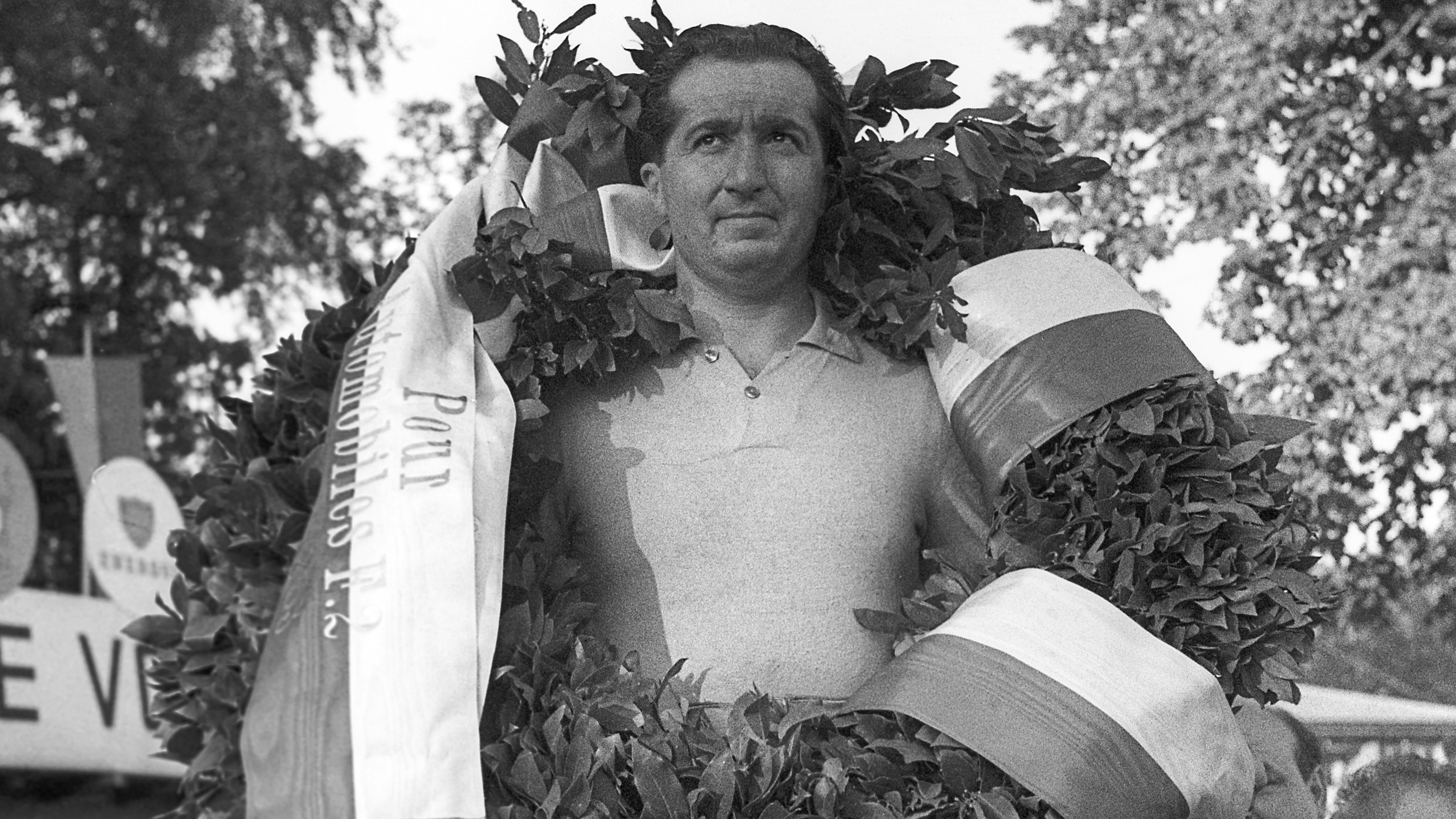
Ultimately, these films evolved into something far more profound than mere sports dramas on the silver screen; they became beautiful, eerie monuments to a bygone era. The tragedy of mid-century motorsport meant that many of the icons who flashed brief smiles for Hathaway’s cameos or danced with the camera cars for Frankenheimer — including Ascari, Castellotti, and Bandini — tragically lost their lives shortly after the film reels stopped rolling.
Cinema captured these men in full colour and high fidelity at the pinnacle of their youth, bravery and charisma. In the end, these Hollywood epics didn’t just popularise a European sport to the rest of the world, they permanently immortalised a golden generation of Italian racers — individuals we’ll be remembering throughout our ‘La Dolce Vita’ festivities at the 2026 Goodwood Revival.
Main image courtesy of Getty Images.
If you’re not already part of the GRRC, you can sign up to the Fellowship today and save ten per cent on your 2026 tickets and grandstand passes, as well as enjoying a whole host of other on-event perks.
revival
revival 2026
event coverage

Subscribe to Goodwood Road & Racing
Thank you, you’re now subscribed

How many hay bales are used at FOS?
For the last two years, 5,800 bales have been recylced into the biomass energy centre to be used for energy generation